
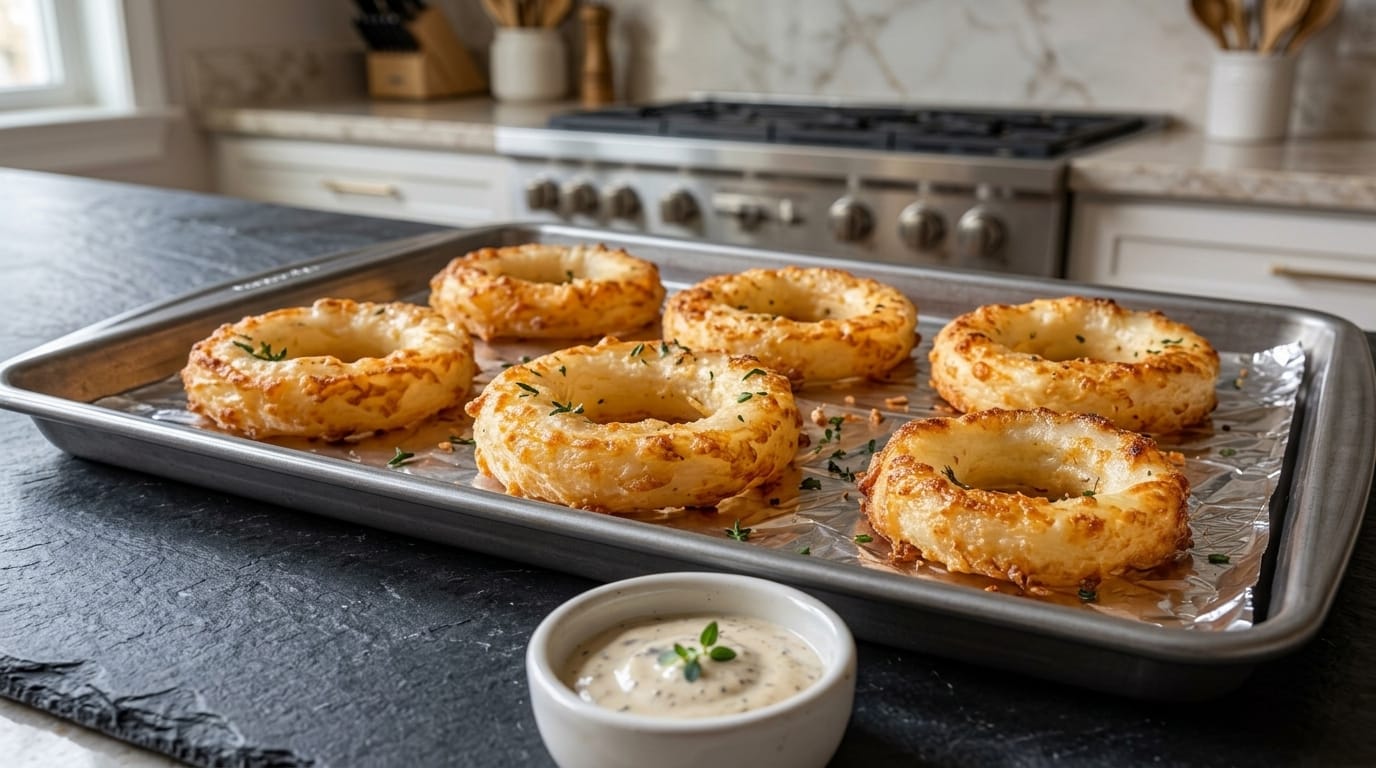
There is something incredibly satisfying about making Homemade Bagels from scratch. They come out of the oven with shiny golden crusts, pleasantly chewy centers, and that unmistakable fresh-baked aroma that makes the kitchen feel like a neighborhood bakery. Once you understand the basic method, homemade bagels are surprisingly approachable and require only a handful of simple ingredients.
What makes bagels different from ordinary bread is the boiling step. After the shaped dough has risen, each bagel is briefly boiled before baking. This creates the signature chewy crust and helps the outside become beautifully glossy. A little honey or brown sugar in the boiling water adds flavor and encourages deeper browning in the oven.
These homemade bagels are perfect for breakfast, brunch, sandwiches, meal prep, or weekend baking. Serve them warm with cream cheese, butter, smoked salmon, eggs, avocado, or your favorite sandwich fillings. You can keep them plain or finish them with sesame seeds, poppy seeds, everything seasoning, cheese, cinnamon sugar, or other toppings.
Why You’ll Love These Homemade Bagels
Homemade bagels taste completely different from many packaged supermarket versions. They have a firmer, chewier texture and a freshly baked flavor that is hard to beat.
The dough itself is straightforward. Bread flour provides extra protein, which helps create the characteristic chewiness, while yeast gives the bagels enough lift without making them overly soft like dinner rolls.
Another reason this recipe is worth making is how customizable it is. One batch can easily become several flavors. Leave a few bagels plain, sprinkle some with sesame seeds, cover others with everything bagel seasoning, or add shredded cheese.
They also freeze beautifully, making them excellent for preparing ahead.
Ingredients
For the Bagel Dough
- 4 cups bread flour, plus extra for dusting
- 2¼ teaspoons instant yeast
- 1 tablespoon granulated sugar or honey
- 1½ teaspoons fine salt
- 1½ cups warm water, about 105–110°F
- 1 tablespoon neutral oil, optional for greasing the bowl
For Boiling
- 10 cups water
- 2 tablespoons honey or brown sugar
- 1 tablespoon baking soda, optional for deeper browning and a slightly more pronounced crust
For the Egg Wash
- 1 large egg
- 1 tablespoon water
Optional Toppings
- Everything bagel seasoning
- Sesame seeds
- Poppy seeds
- Coarse salt
- Dried minced onion
- Dried minced garlic
- Shredded cheddar cheese
- Parmesan cheese
How to Make Homemade Bagels
1. Activate the Yeast
If using instant yeast, you can mix it directly with the flour. However, if you want to check that your yeast is active, combine the warm water, sugar or honey, and yeast in a small bowl.
Let it sit for approximately 5 minutes.
The water should be warm rather than hot. Water that is too hot can damage the yeast.
2. Combine the Dry Ingredients
Place the bread flour and salt in a large mixing bowl.
Whisk briefly to distribute the salt.
Add the yeast mixture or, if using instant yeast directly, add the instant yeast along with the warm water and sweetener.
Mix with a wooden spoon until a rough dough forms.
3. Knead the Dough
Turn the dough onto a lightly floured work surface.
Knead for approximately 8–10 minutes.
Bagel dough should feel noticeably firmer than ordinary sandwich bread dough. It may seem slightly stiff at first, but continue kneading until it becomes smooth and elastic.
If the dough is extremely dry and will not come together, add water one teaspoon at a time.
Avoid adding too much water because a firm dough helps create chewy bagels.
4. Check the Dough
After kneading, the dough should feel smooth and spring back slowly when pressed with your finger.
You can also stretch a small piece gently. It should stretch without immediately tearing.
Form the dough into a ball.
5. Let the Dough Rise
Lightly grease a large bowl.
Place the dough inside and turn it once to coat the surface.
Cover with plastic wrap or a clean kitchen towel.
Let the dough rise in a warm place for approximately 60–90 minutes, or until noticeably puffy and close to doubled in size.
The exact time depends on the temperature of your kitchen.
6. Divide the Dough
Turn the risen dough onto a clean work surface.
Gently press out some of the air.
Divide the dough into 8 equal pieces.
For the most uniform bagels, use a kitchen scale to weigh each piece.
7. Shape into Balls
Take each portion of dough and pull the edges toward the bottom to create surface tension.
Roll gently against the counter until you have a smooth ball.
Repeat with all 8 pieces.
Let the dough balls rest for approximately 10 minutes.
This short rest makes them easier to shape.
8. Shape the Bagels
Use your thumb to press a hole through the center of each dough ball.
Gently stretch the opening until it measures approximately 1½–2 inches wide.
The hole will shrink slightly while the dough rises and again during baking, so make it larger than you think you need.
Place the shaped bagels on a parchment-lined baking sheet.
9. Rest the Shaped Bagels
Cover the bagels loosely with a clean kitchen towel.
Let them rest for approximately 15–20 minutes while you prepare the boiling water.
They should become slightly puffy but do not need to double again.
10. Preheat the Oven
Preheat your oven to 425°F (220°C).
Line a large baking sheet with parchment paper.
If desired, lightly grease the parchment to reduce sticking.
11. Prepare the Water Bath
Bring 10 cups of water to a gentle boil in a large wide pot.
Add the honey or brown sugar.
Stir in the optional baking soda carefully, as the water may foam slightly.
Reduce the heat enough to maintain a steady but controlled boil.
12. Boil the Bagels
Working in batches, carefully lower 2–3 bagels into the water.
Do not overcrowd the pot.
Boil for approximately 30–45 seconds on the first side, then flip and cook for another 30–45 seconds.
For a chewier crust, you can boil them for up to 1 minute per side.
Use a slotted spoon to remove the bagels and let excess water drain off.
Place them back onto the prepared baking sheet.
13. Add the Egg Wash
Whisk together the egg and 1 tablespoon water.
Brush the mixture lightly over the top and sides of each boiled bagel.
The egg wash gives the bagels their shiny, bakery-style golden surface.
14. Add Your Toppings
While the egg wash is still wet, sprinkle each bagel with your desired toppings.
For everything bagels, use a generous layer of everything seasoning.
For sesame or poppy seed bagels, cover the tops evenly.
If using shredded cheese, add a moderate amount so it melts without burning.
15. Bake the Bagels
Bake at 425°F (220°C) for approximately 20–25 minutes.
Rotate the pan halfway through if your oven browns unevenly.
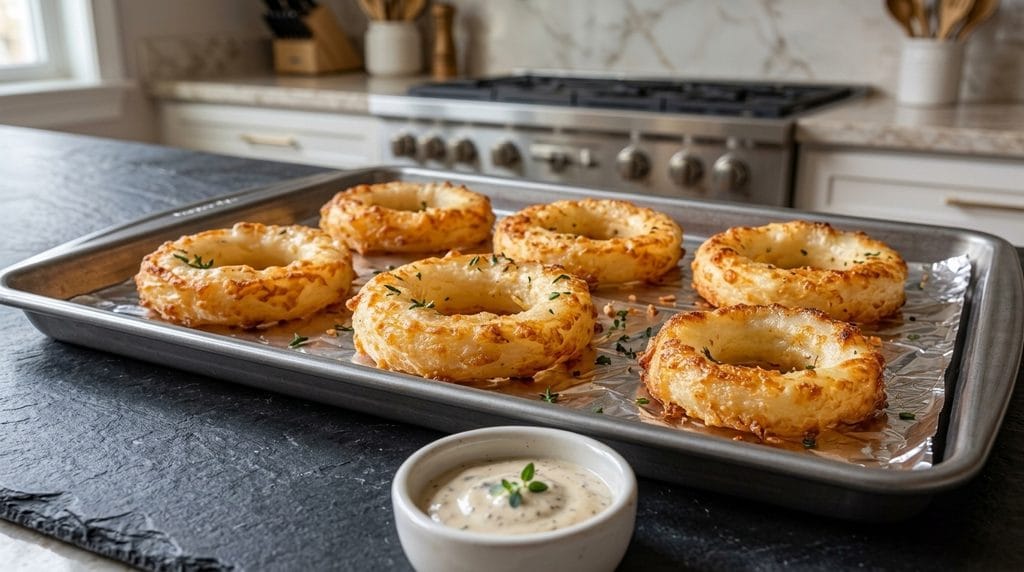
The bagels are ready when the tops are deeply golden brown.
16. Cool Before Slicing
Transfer the baked bagels to a wire rack.
Allow them to cool for at least 20–30 minutes before slicing.
Fresh bagels continue setting inside as they cool, so cutting them immediately may make the center seem overly soft.
What to Serve With Homemade Bagels
Cream cheese is the classic choice. Use plain cream cheese or try flavored versions with herbs, chives, garlic, honey, berries, or vegetables.
For a savory breakfast, fill the bagels with scrambled or fried eggs, cheese, avocado, and bacon.
Smoked salmon with cream cheese, cucumber, red onion, capers, and fresh dill makes an elegant brunch option.
Bagels also make excellent lunch sandwiches. Try turkey and cheddar, chicken salad, tuna, roast beef, or grilled vegetables.
For something sweet, serve toasted bagels with butter, jam, peanut butter, honey, or cinnamon cream cheese.
Tips for the Best Homemade Bagels
Use Bread Flour
Bread flour contains more protein than all-purpose flour, which helps create the chewy texture associated with traditional bagels.
Keep the Dough Firm
Bagel dough should not be extremely soft or sticky. A firmer dough produces a denser, chewier interior.
Knead Thoroughly
Proper kneading develops gluten, which gives the bagels structure and chewiness.
Make the Center Hole Large
Bagels puff considerably during boiling and baking, so a small hole can disappear.
Do Not Skip Boiling
The boiling step is what gives bagels their distinctive crust and texture.
Avoid Over-Proofing
If shaped bagels rise too much before boiling, they may become overly airy or collapse.
Easy Recipe Variations
Everything Bagels
Top generously with everything bagel seasoning before baking.
Sesame Bagels
Cover the egg-washed tops with sesame seeds.
Cheddar Bagels
Sprinkle shredded sharp cheddar over the bagels before baking.
Cinnamon Raisin Bagels
Mix 1½ teaspoons cinnamon and ¾ cup raisins into the dough during the final minutes of kneading.
Garlic Parmesan Bagels
Top with dried garlic, grated Parmesan, and a little parsley.
Poppy Seed Bagels
Sprinkle the tops generously with poppy seeds after applying the egg wash.
Storage and Reheating
Store completely cooled bagels in an airtight container or resealable bag at room temperature for up to 2 days.
For longer storage, refrigerate them for up to 5 days, although refrigeration can make bread dry more quickly.
To refresh a bagel, slice and toast it until the edges are crisp and the center is warm.
You can also warm a whole bagel in a 325°F (165°C) oven for about 5–8 minutes.
Freezing Instructions
Homemade bagels freeze extremely well.
Allow them to cool completely, then slice them before freezing. This makes it easy to toast them directly from frozen.
Wrap individually or place parchment between bagels and store in a freezer-safe bag.
Freeze for up to 2–3 months.
Toast directly from frozen or let them thaw at room temperature first.
Make-Ahead Instructions
For even more developed flavor, prepare the dough and shape the bagels the night before.
Arrange them on a parchment-lined tray, cover tightly, and refrigerate overnight.
The next morning, let them sit at room temperature for around 20–30 minutes while you bring the water to a boil.
Boil, top, and bake as directed.
This overnight method is especially convenient for serving fresh bagels at breakfast or brunch.
Final Thoughts
These Homemade Bagels prove that bakery-style bagels can absolutely be made in your own kitchen. With a simple yeast dough, proper kneading, careful shaping, a quick water bath, and a hot oven, you can create golden bagels with chewy crusts and soft, satisfying centers.
The most important steps are using bread flour, keeping the dough relatively firm, boiling the bagels before baking, and allowing them enough time to cool before slicing.
Keep them classic and plain, cover them with everything seasoning, add sesame seeds, turn them into cheesy bagels, or make a sweet cinnamon-raisin variation. Whether served warm with cream cheese or transformed into a breakfast sandwich, homemade bagels are worth the little bit of extra effort.