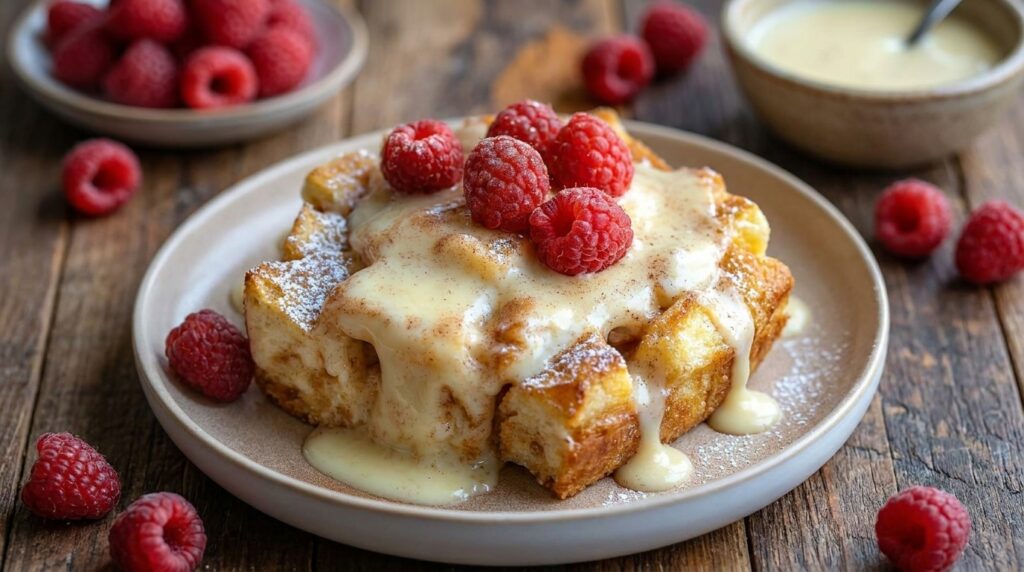
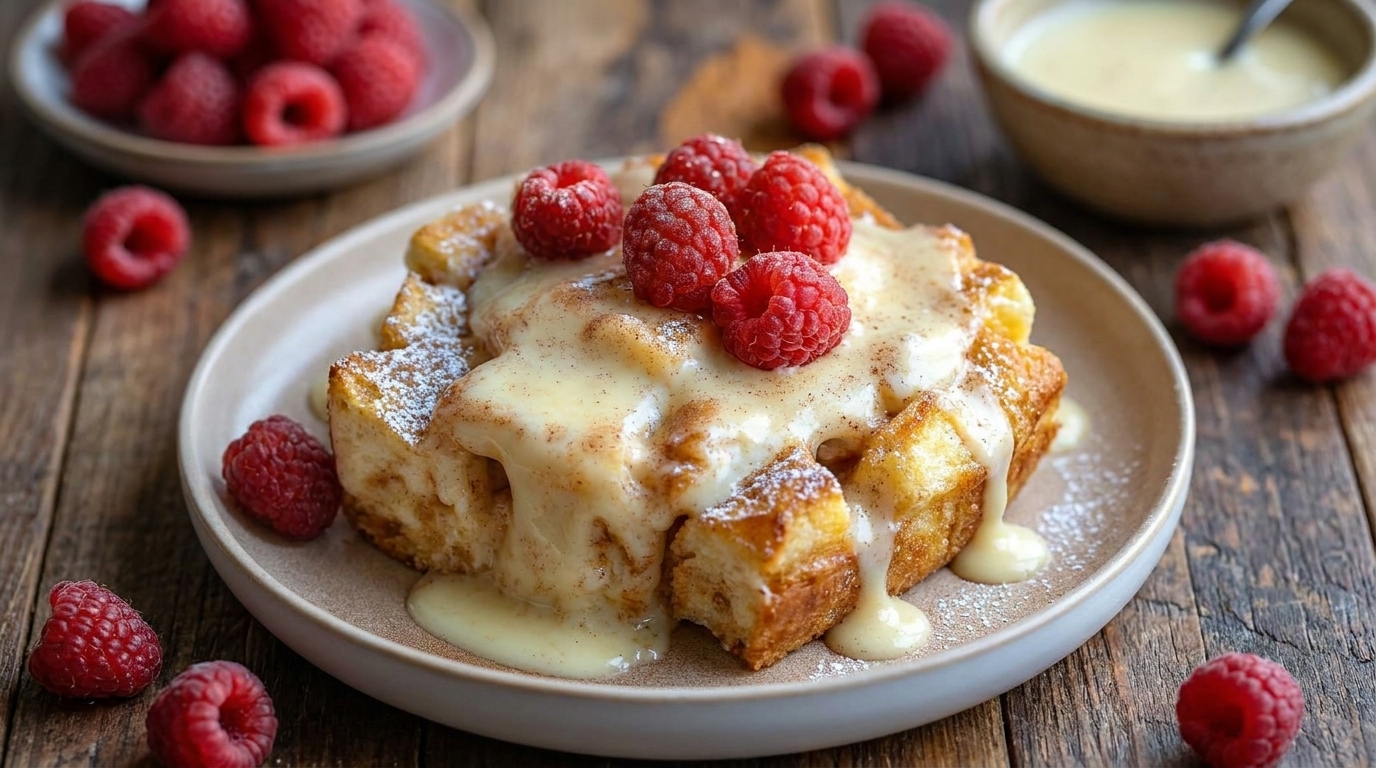
Best Bread Pudding Recipe – Turn Stale Bread Into a Rich, Decadent Dessert

If you have a loaf of bread that has gone a little stale, do not throw it away. This Best Bread Pudding Recipe transforms simple leftover bread into a warm, soft, custardy dessert filled with vanilla, cinnamon, butter, and just the right amount of sweetness.

Bread pudding is one of those classic desserts that proves the simplest ingredients can create something incredibly comforting. Cubes of day-old bread soak up a rich mixture of eggs, milk, cream, sugar, vanilla, and warm spices before baking until the top becomes beautifully golden while the center stays moist and tender.

It is perfect for holidays, Sunday dinners, potlucks, brunches, or cozy evenings at home. Serve it warm with vanilla ice cream, whipped cream, caramel sauce, or a simple dusting of powdered sugar for an easy dessert that tastes far more luxurious than its humble ingredients suggest.

Why You’ll Love This Bread Pudding

One of the best things about bread pudding is that it gives leftover bread a completely new life. Slightly dry bread actually works better than very fresh bread because it absorbs the custard without immediately falling apart.

This recipe also creates the ideal balance of textures. The center becomes soft and creamy, almost like baked French toast, while the exposed pieces of bread on top develop slightly crisp, caramelized edges.

It is also incredibly customizable. You can add raisins, chocolate chips, chopped pecans, apples, dried cranberries, or even a splash of bourbon depending on the flavor you want.

Best of all, most of the ingredients are pantry and refrigerator staples, making this an excellent dessert when you want something impressive without a complicated shopping list.

Ingredients

For the Bread Pudding

  • 10 cups stale bread, cut into 1-inch cubes
  • 4 tablespoons unsalted butter, melted
  • 4 large eggs
  • 2 cups whole milk
  • 1 cup heavy cream
  • ¾ cup granulated sugar
  • ¼ cup packed light brown sugar
  • 2 teaspoons pure vanilla extract
  • 1½ teaspoons ground cinnamon
  • ¼ teaspoon ground nutmeg
  • ¼ teaspoon salt
  • ½ cup raisins, optional
  • ½ cup chopped pecans or walnuts, optional

For the Simple Vanilla Sauce

  • 4 tablespoons unsalted butter
  • ½ cup brown sugar
  • ½ cup heavy cream
  • 1 teaspoon vanilla extract
  • Pinch of salt

Optional for Serving

  • Powdered sugar
  • Vanilla ice cream
  • Whipped cream
  • Caramel sauce
  • Fresh berries

How to Make the Best Bread Pudding

1. Choose and Prepare the Bread

Start with bread that is at least one day old.

Brioche, challah, French bread, Italian bread, or a sturdy white loaf all work especially well. Brioche and challah make the richest bread pudding because they already contain butter and eggs.

Cut the bread into approximately 1-inch cubes.

You will need around 10 cups.

If your bread is still very fresh, spread the cubes across a baking sheet and bake at 300°F for 10 to 15 minutes until they feel dry on the outside but are not browned.

Drying the bread helps it absorb more custard.

2. Prepare the Baking Dish

Preheat your oven to 350°F (175°C).

Lightly grease a 9×13-inch baking dish with butter or nonstick cooking spray.

Place the bread cubes evenly inside the prepared dish.

If you are using raisins or chopped nuts, scatter them throughout the bread rather than placing everything only on top.

Drizzle the melted butter over the bread.

3. Make the Custard

In a large mixing bowl, crack the eggs and whisk until the yolks and whites are completely combined.

Add the whole milk, heavy cream, granulated sugar, brown sugar, vanilla extract, cinnamon, nutmeg, and salt.

Whisk thoroughly until the sugar begins to dissolve and the mixture looks smooth.

The combination of milk and heavy cream gives the pudding richness while still keeping the custard soft rather than overly heavy.

4. Pour the Custard Over the Bread

Slowly pour the custard mixture evenly over the bread cubes.

Try to cover as much of the bread as possible.

Use the back of a spoon or clean hands to gently press the bread down into the liquid.

Do not crush the bread. You simply want to make sure the upper pieces have a chance to absorb some custard.

Allow the mixture to rest for approximately 20 to 30 minutes before baking.

This soaking time is very important.

The bread needs time to absorb the custard so you get a moist, creamy center instead of dry pieces surrounded by liquid.

5. Check Before Baking

After soaking, most of the custard should have been absorbed.

Some liquid may still be visible around the edges of the dish, which is completely normal.

Gently press down any pieces of bread that still appear dry.

If desired, sprinkle an extra teaspoon of brown sugar over the top. This helps create slightly caramelized edges as the pudding bakes.

6. Bake Until Golden and Set

Place the baking dish in the preheated oven.

Bake for approximately 40 to 50 minutes.

The exact cooking time will depend on your baking dish and the type of bread you use.

The bread pudding is ready when the top is golden brown and slightly crisp while the center is set but still soft.

Insert a knife near the center. It should come out mostly clean, although a little moisture is fine.

You do not want to bake the pudding until it becomes completely dry.

7. Allow It to Rest

Remove the bread pudding from the oven and let it rest for about 10 to 15 minutes before serving.

Resting gives the hot custard time to settle and makes the pudding easier to slice or spoon into individual servings.

The pudding is wonderful warm, but it can also be served at room temperature.

How to Make the Vanilla Sauce

1. Melt the Butter

Add the butter to a small saucepan over medium-low heat.

Allow it to melt completely.

2. Add the Sugar and Cream

Stir in the brown sugar and heavy cream.

Cook over medium-low heat for approximately 3 to 5 minutes, stirring frequently.

The sugar should dissolve and the sauce should become smooth and slightly thicker.

Do not allow it to boil aggressively.

3. Finish With Vanilla

Remove the pan from the heat.

Stir in the vanilla extract and a small pinch of salt.

Allow the sauce to cool for several minutes. It will continue to thicken slightly as it sits.

Drizzle the warm sauce generously over each serving of bread pudding.

What to Serve With Bread Pudding

Warm bread pudding is delicious enough on its own, but toppings make it feel extra special.

For classic comfort food, serve each portion with a scoop of vanilla ice cream. The cold ice cream melting into the warm custardy bread creates an incredible combination.

Fresh whipped cream is another simple option.

You can also drizzle the pudding with caramel sauce, vanilla sauce, maple syrup, or even chocolate sauce.

For something lighter, top it with strawberries, raspberries, blueberries, or sliced bananas.

A dusting of powdered sugar makes a beautiful finishing touch when serving this dessert to guests.

Tips for the Best Bread Pudding

Use stale bread. Slightly dry bread absorbs custard better than fresh bread.

Do not skip the soaking time. Letting the bread sit in the custard before baking produces a softer, more evenly textured pudding.

Use sturdy bread. Very thin sandwich bread can become mushy. Brioche, challah, French bread, or Italian bread gives better structure.

Do not overbake. Bread pudding should remain soft and moist in the center.

Use both white and brown sugar. Granulated sugar provides sweetness, while brown sugar adds a subtle caramel flavor.

Add heavy cream for richness. You can make bread pudding entirely with milk, but cream gives it a more luxurious texture.

Easy Bread Pudding Variations

Chocolate Chip Bread Pudding

Add ¾ cup semisweet or dark chocolate chips throughout the bread before pouring over the custard.

Cinnamon Raisin Bread Pudding

Increase the raisins to 1 cup and add an extra ½ teaspoon cinnamon.

Apple Cinnamon Bread Pudding

Fold in 1½ cups peeled, diced apples and add a pinch of extra cinnamon.

Pecan Bread Pudding

Add ¾ cup toasted chopped pecans for extra crunch and nutty flavor.

Bourbon Bread Pudding

Add 1 to 2 tablespoons bourbon to the custard or vanilla sauce for a deeper, more complex flavor.

Caramel Bread Pudding

Drizzle warm caramel sauce over the finished pudding just before serving.

Storage and Reheating

Allow leftover bread pudding to cool before covering the baking dish or transferring individual portions to an airtight container.

Store in the refrigerator for up to 3 to 4 days.

To reheat, place an individual serving in the microwave for approximately 30 to 60 seconds.

For larger portions, cover the baking dish loosely with foil and warm at 325°F until heated through.

If the pudding seems slightly dry after refrigeration, add a spoonful of milk, cream, or vanilla sauce before reheating.

Bread pudding can also be frozen for up to approximately 2 months. Wrap individual portions tightly, freeze, and thaw overnight in the refrigerator before warming.

Final Thoughts

This Best Bread Pudding Recipe is one of the easiest and most delicious ways to transform stale bread into something truly special.

Instead of wasting leftover bread, you can turn it into a warm dessert filled with creamy vanilla custard, cinnamon, buttery edges, and rich caramel-like sweetness.

The recipe is simple enough for beginners but comforting and impressive enough to serve for holidays or family gatherings.

Enjoy it straight from the oven with a little powdered sugar, or make it truly decadent with warm vanilla sauce and a scoop of ice cream.

Once you see how easy it is to turn ordinary stale bread into this rich, soft, golden dessert, you may start looking forward to having leftover bread in the kitchen.
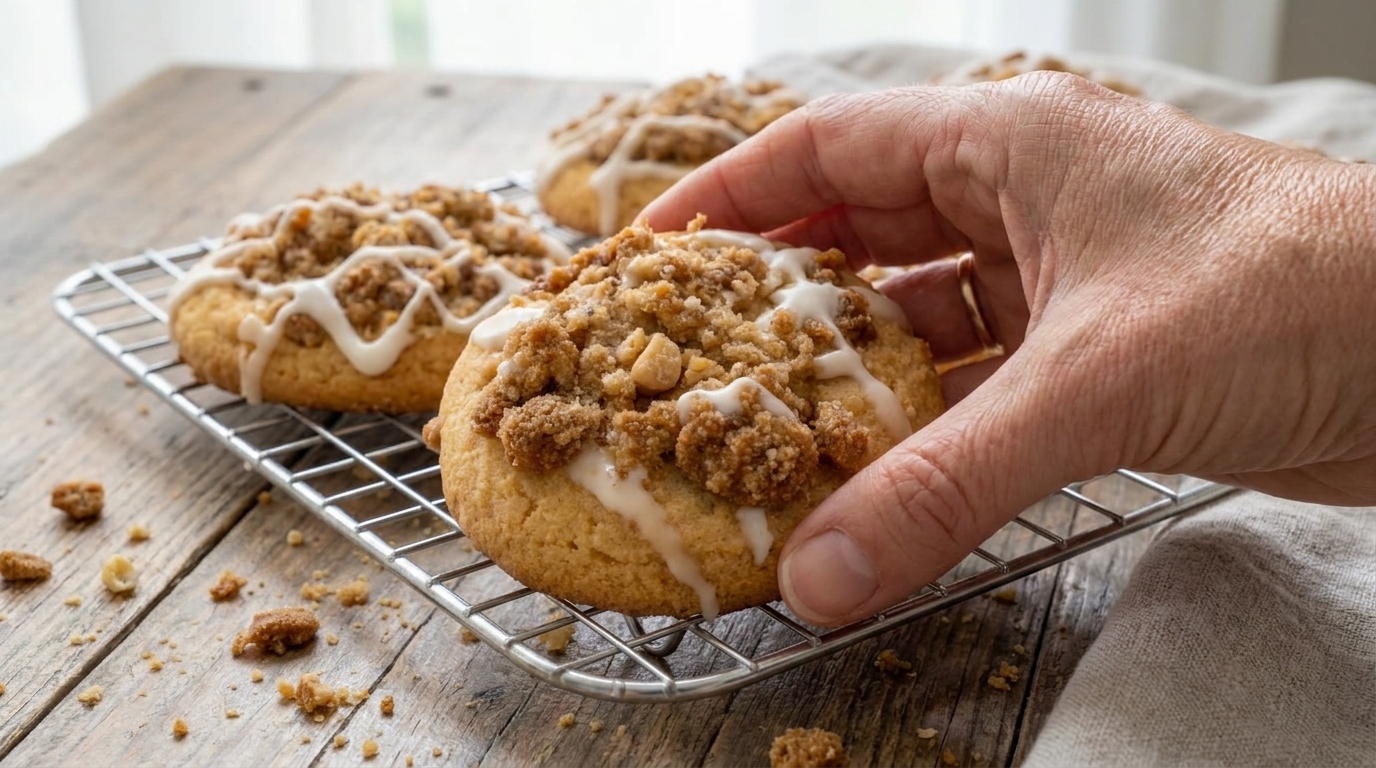
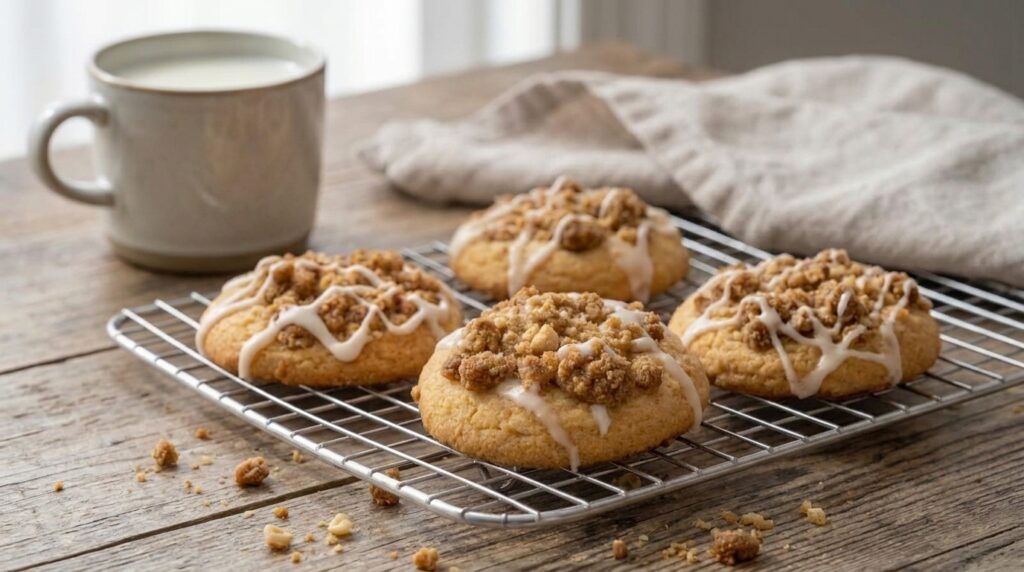
Easy Coffee Cake Cookies Recipe – Soft Cinnamon Cookies with Streusel & Vanilla Glaze

If you love the buttery cinnamon flavor of classic coffee cake but want it in an easy handheld dessert, these Coffee Cake Cookies with Cinnamon Streusel & Vanilla Glaze are the perfect treat. Soft, tender cookies are topped with a buttery brown sugar cinnamon streusel and finished with a sweet vanilla glaze that gives every bite the cozy flavor of homemade coffee cake.

These cookies are perfect for weekend baking, brunch tables, holiday cookie trays, afternoon coffee breaks, bake sales, or whenever you want something a little more special than an ordinary sugar cookie. The soft cookie base contrasts beautifully with the crumbly cinnamon topping, while the vanilla glaze adds just enough sweetness to bring everything together.

One of the best things about homemade coffee cake cookies is that they look impressive without requiring complicated decorating skills. The streusel is simply sprinkled over the dough before baking, and the glaze can be drizzled casually over the cooled cookies for a bakery-style finish.

Why You’ll Love These Coffee Cake Cookies

These easy coffee cake cookies combine three delicious textures in every bite: a soft and buttery cookie, a crumbly cinnamon streusel topping, and a smooth vanilla glaze.

The dough is made with simple pantry ingredients, while brown sugar and cinnamon give the streusel the warm flavor you would expect from traditional coffee cake. Because the cookies are baked individually, you get plenty of golden edges and cinnamon topping in every serving.

They are also easy to prepare ahead of time and make an excellent dessert for sharing. Serve them with coffee, tea, hot chocolate, or cold milk for a cozy homemade treat.

Ingredients

For the Cookies

  • ½ cup unsalted butter, softened
  • ½ cup granulated sugar
  • ¼ cup light brown sugar, packed
  • 1 large egg
  • 2 teaspoons vanilla extract
  • 1¾ cups all-purpose flour
  • 1 teaspoon baking powder
  • ½ teaspoon baking soda
  • ½ teaspoon ground cinnamon
  • ¼ teaspoon salt
  • 2 tablespoons sour cream or plain Greek yogurt

For the Cinnamon Streusel

  • ½ cup all-purpose flour
  • ⅓ cup light brown sugar, packed
  • 1 teaspoon ground cinnamon
  • Pinch of salt
  • 4 tablespoons unsalted butter, melted

For the Vanilla Glaze

  • ¾ cup powdered sugar
  • 1–2 tablespoons milk or heavy cream
  • ½ teaspoon vanilla extract
  • Pinch of salt

How to Make Coffee Cake Cookies

1. Prepare the Cinnamon Streusel

Begin by preparing the streusel so it has a few minutes to firm slightly before you assemble the cookies.

In a medium bowl, combine the flour, brown sugar, cinnamon, and a small pinch of salt.

Pour in the melted butter and stir with a fork until the mixture forms moist crumbs.

The streusel should look crumbly rather than smooth. If it appears too wet, add another teaspoon or two of flour.

Set the streusel aside while you prepare the cookie dough.

As it rests, the butter will cool slightly and the mixture will become easier to crumble over the cookies.

2. Prepare the Cookie Dough

Preheat your oven to 350°F (175°C).

Line two large baking sheets with parchment paper or silicone baking mats.

Place the softened butter, granulated sugar, and brown sugar in a large mixing bowl.

Using an electric hand mixer or stand mixer, beat the mixture on medium speed for approximately 2–3 minutes.

The butter and sugars should become lighter in color and slightly fluffy. Proper creaming helps create softer cookies with a tender texture.

Add the egg and vanilla extract.

Beat again until completely combined, scraping down the sides of the bowl as needed.

Add the sour cream or Greek yogurt and mix just until incorporated. This small amount of dairy helps keep the cookies soft and gives them a tender coffee cake-like texture.

3. Combine the Dry Ingredients

In a separate bowl, whisk together the flour, baking powder, baking soda, cinnamon, and salt.

Gradually add the dry ingredients to the butter mixture.

Mix on low speed or stir by hand until a soft cookie dough forms.

Avoid overmixing once the flour has been added. Too much mixing can develop excess gluten and make the cookies firmer instead of soft and tender.

The finished dough should be soft but thick enough to scoop.

If it feels unusually sticky, refrigerate it for approximately 15–20 minutes before shaping.

4. Shape the Cookies

Using a medium cookie scoop, portion approximately 2 tablespoons of dough for each cookie.

Roll each portion gently into a ball and place it on the prepared baking sheet, leaving approximately 2–3 inches between cookies.

Gently flatten the center of each dough ball with your fingertips or the back of a measuring spoon.

You only need to create a shallow indentation. This gives the streusel a place to sit while the cookies bake.

Do not press the cookies completely flat because they will naturally spread slightly in the oven.

5. Add the Cinnamon Streusel

Break the prepared streusel mixture into small and medium-sized crumbs using your fingers.

Generously spoon the cinnamon streusel over the top of each cookie.

Press the crumbs very lightly into the dough so they remain attached during baking.

Avoid pressing too firmly because you want the topping to remain crumbly and textured.

Some streusel may fall around the cookies during baking, which is completely normal.

6. Bake the Cookies

Place the baking sheet in the preheated oven.

Bake the cookies for approximately 10–13 minutes, depending on their size.

The cookies are ready when the edges appear lightly set and the centers still look slightly soft.

Avoid waiting until the entire cookie looks deeply golden. Overbaking can remove the soft, tender texture that makes these cookies resemble coffee cake.

Remove the baking sheet from the oven and allow the cookies to cool on the pan for approximately 5 minutes.

The cookies will continue setting from the residual heat.

Carefully transfer them to a wire rack and allow them to cool completely before adding the glaze.

7. Prepare the Vanilla Glaze

Place the powdered sugar in a small bowl.

Add the vanilla extract, pinch of salt, and 1 tablespoon of milk or cream.

Whisk until smooth.

If the glaze is too thick to drizzle, add additional milk approximately ½ teaspoon at a time.

If it becomes too thin, add a little more powdered sugar.

The finished glaze should be thick enough to leave visible ribbons across the cookies without immediately running off.

8. Glaze and Serve

Once the cookies have cooled completely, drizzle the vanilla glaze over the tops.

You can use a spoon, piping bag, or small zip-top bag with one corner snipped off.

Allow the glaze to set for approximately 15–20 minutes before stacking or storing the cookies.

Serve them at room temperature with coffee, tea, milk, or your favorite warm drink.

What to Serve With Coffee Cake Cookies

Coffee cake cookies are especially delicious alongside a hot cup of freshly brewed coffee, cappuccino, latte, or espresso. The cinnamon and vanilla flavors pair beautifully with the slightly bitter flavor of coffee.

They are also wonderful with chai tea, black tea, hot chocolate, or cold milk.

For brunch, serve these cookies alongside fresh berries, yogurt, fruit salad, muffins, cinnamon rolls, or a savory egg dish.

They also make a beautiful addition to dessert boards, holiday cookie platters, baby showers, bridal showers, or afternoon tea tables.

Tips for the Best Coffee Cake Cookies

Use properly softened butter rather than melted butter for the cookie dough. Softened butter helps create structure while still keeping the cookies tender.

Measure the flour carefully. Too much flour can make the cookies dry and prevent them from spreading properly. For the most accurate result, spoon flour into your measuring cup and level it with a knife rather than packing it tightly.

Do not overmix the cookie dough after adding the flour. Mix only until no large streaks of dry flour remain.

Keep the streusel crumbly. If you mix it until it becomes a smooth paste, you will lose the classic coffee cake texture.

Watch the cookies closely near the end of baking. Slightly underbaking them is better than overbaking because they continue cooking while cooling on the baking sheet.

Wait until the cookies are completely cool before glazing them. If they are still warm, the glaze will melt and disappear into the topping.

Easy Recipe Variations

For Brown Butter Coffee Cake Cookies, brown the butter before preparing the cookie dough. Allow it to cool until soft but no longer liquid before mixing with the sugars. Brown butter adds a rich, nutty flavor.

For Maple Coffee Cake Cookies, replace the vanilla in the glaze with ½ teaspoon maple extract or use a small amount of pure maple syrup.

For Apple Cinnamon Coffee Cake Cookies, add approximately ½ cup of finely diced dried apples to the cookie dough.

For Chocolate Chip Coffee Cake Cookies, fold approximately ½ cup mini chocolate chips into the dough before shaping.

For Pecan Streusel Coffee Cake Cookies, mix ⅓ cup finely chopped pecans into the cinnamon streusel.

For Extra Cinnamon Coffee Cake Cookies, add an additional ½ teaspoon cinnamon to the cookie dough and a pinch of cinnamon to the vanilla glaze.

For a stronger bakery-style flavor, add a small amount of almond extract along with the vanilla.

How to Store Leftovers

Allow the glaze to set completely before storing your coffee cake cookies.

Place the cookies in an airtight container and store them at room temperature for approximately 3–4 days.

Place parchment paper between layers if you need to stack them. This helps protect the streusel and glaze.

For slightly longer storage, refrigerate the cookies for up to approximately 5–6 days. Allow them to return to room temperature before serving for the best texture.

You can also freeze the baked, unglazed cookies for up to 2–3 months.

Place them in a freezer-safe container with parchment paper between layers. Thaw them at room temperature, then add fresh vanilla glaze before serving.

The cookie dough can also be frozen before baking. Shape the dough into portions and freeze them on a tray before transferring them to a freezer-safe bag. Add the streusel before baking and increase the baking time slightly if baking directly from frozen.

Frequently Asked Questions

Why are they called coffee cake cookies?

Coffee cake traditionally refers to a soft cake topped with a buttery cinnamon streusel and often served alongside coffee.

These cookies recreate those same flavors and textures in individual cookie form. They do not necessarily contain coffee.

Do coffee cake cookies contain coffee?

No. Traditional coffee cake flavor comes mainly from butter, cinnamon, brown sugar, and streusel.

However, you can add approximately 1 teaspoon of instant espresso powder to the cookie dough if you want a mild coffee flavor.

Can I make the cookies without sour cream?

Yes. Plain Greek yogurt is an excellent substitute.

You can also use full-fat plain yogurt. The purpose of the sour cream is mainly to add moisture and tenderness.

Why did my streusel melt while baking?

The butter may have been too warm or the streusel may not have contained enough flour.

Allowing the streusel to cool for several minutes before topping the cookies can help the crumbs maintain their shape.

Can I make these cookies ahead of time?

Absolutely.

You can bake the cookies one day ahead and glaze them after they have completely cooled.

You can also prepare the cookie dough and refrigerate it, tightly covered, for approximately 24–48 hours before baking.

How do I keep coffee cake cookies soft?

Avoid overbaking them and store them in an airtight container once completely cool.

The centers should still appear slightly soft when you remove the cookies from the oven.

Can I skip the vanilla glaze?

Yes. The cookies are delicious without glaze, especially if you prefer a less sweet dessert.

You can also lightly dust them with powdered sugar instead.

Final Thoughts

These easy Coffee Cake Cookies with Cinnamon Streusel & Vanilla Glaze combine everything people love about classic coffee cake in a soft, bakery-style cookie. The buttery cookie base, warm cinnamon crumbs, and sweet vanilla drizzle make every bite rich, cozy, and satisfying.

They are simple enough for everyday baking but attractive enough for brunches, holiday cookie trays, parties, and homemade gifts. You can also customize them with nuts, chocolate chips, maple glaze, fruit, or extra cinnamon.

Serve them with a warm cup of coffee or tea and enjoy the perfect combination of soft cookie, crumbly cinnamon streusel, and smooth vanilla glaze.