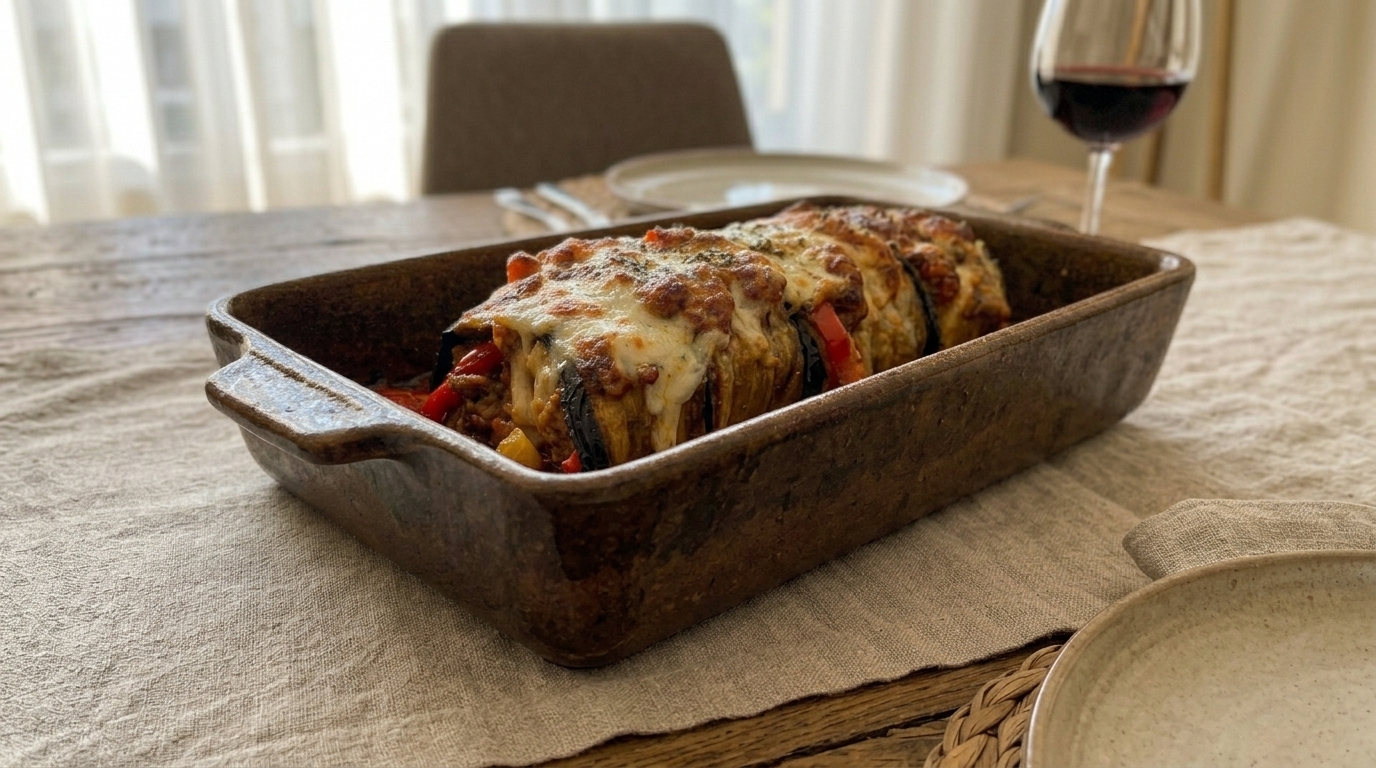
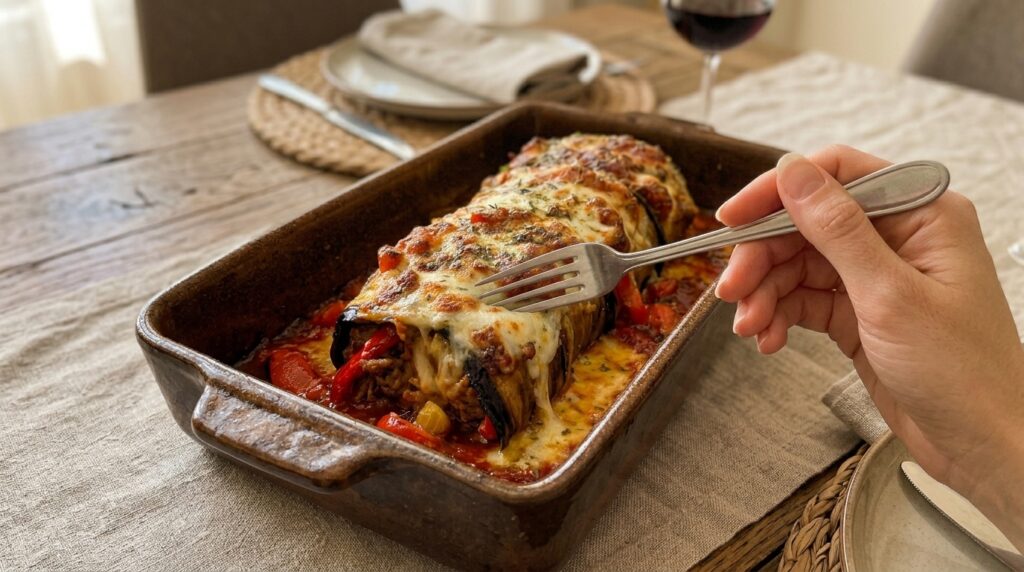
A comforting baked eggplant dish filled with a rich savory mixture, covered with melted cheese, and baked in a flavorful tomato sauce. Tender eggplant slices wrap around a delicious filling while the golden cheesy topping creates the perfect combination of creamy, hearty, and satisfying flavors.
Why You’ll Love It
Rich Italian-inspired comfort food
Tender eggplant with a cheesy baked topping
Perfect balance of vegetables, sauce, and savory filling
Great family dinner recipe
Can be prepared ahead of time
Delicious alternative to traditional pasta dishes
Ingredients Overview
For the Eggplant
2 large eggplants
3 tbsp olive oil
1 tsp salt
½ tsp black pepper
1 tsp Italian seasoning
For the Filling
1 lb ground beef or Italian sausage
1 small onion, finely chopped
3 cloves garlic, minced
1 cup ricotta cheese
½ cup grated Parmesan cheese
1 cup shredded mozzarella cheese
2 tbsp fresh parsley, chopped
1 tsp Italian seasoning
½ tsp red pepper flakes (optional)
For the Tomato Sauce
2 cups crushed tomatoes
2 tbsp olive oil
2 cloves garlic, minced
1 tsp dried basil
½ tsp oregano
Salt and pepper to taste
For the Topping
1½ cups shredded mozzarella cheese
¼ cup Parmesan cheese
Fresh basil or parsley for garnish
Step-by-Step Instructions
1. Prepare the Eggplant
Slice the eggplants lengthwise into thin slices.
Sprinkle lightly with salt and let them sit for 15–20 minutes to remove excess moisture.
Pat dry and brush both sides with olive oil.
Season with pepper and Italian seasoning.
Roast or grill the slices at 400°F (200°C) for 10–12 minutes until softened.
2. Prepare the Filling
Heat olive oil in a skillet over medium heat.
Cook onion until softened, then add garlic and cook until fragrant.
Add ground beef or sausage and cook until browned.
Season with Italian seasoning, salt, and pepper.
Allow the mixture to cool slightly, then combine with ricotta, Parmesan, parsley, and mozzarella.
3. Make the Tomato Sauce
Heat olive oil in a saucepan.
Add garlic and cook briefly.
Pour in crushed tomatoes, basil, oregano, salt, and pepper.
Simmer for 10–15 minutes until the sauce becomes rich and flavorful.
4. Assemble the Eggplant Bake
Spread a layer of tomato sauce in a baking dish.
Place filling onto each eggplant slice and roll tightly.
Arrange the stuffed eggplant rolls over the sauce.
Pour remaining sauce around the rolls.
Top generously with mozzarella and Parmesan cheese.
5. Bake
Bake in a preheated oven at 375°F (190°C) for 25–30 minutes.
Continue baking until the cheese is melted, golden, and bubbling.
Garnish with fresh herbs before serving.
Cooking Tips
Choose firm eggplants with smooth skin for the best texture.
Slice eggplant evenly so the rolls cook properly.
Do not skip salting the eggplant; it helps remove bitterness and excess water.
Use freshly shredded mozzarella for the best cheese melt.
Let the dish rest for 5–10 minutes before serving.
Add spinach or mushrooms to the filling for extra flavor.
Serving Suggestions
Serve Cheesy Stuffed Eggplant Roll Bake with:
Garlic bread
Fresh green salad
Roasted vegetables
Pasta with olive oil and herbs
Crusty Italian bread
Storage
Store leftovers in an airtight container in the refrigerator for up to 4 days.
Reheat in the oven at 350°F (175°C) until warmed through.
This dish can also be frozen for up to 2 months when tightly covered.
Leftover Ideas
Chop and serve over pasta
Use as a filling for sandwiches
Reheat for an easy lunch
Add extra sauce and make a casserole
Serve with a fresh salad bowl
FAQs
Can I make this recipe vegetarian? Yes. Replace the meat filling with spinach, mushrooms, lentils, or extra cheese.
Do I need to peel the eggplant? No. The skin softens during baking and adds flavor and texture.
Can I prepare this ahead of time? Yes. Assemble the dish, cover, and refrigerate for up to 24 hours before baking.
What cheese works best for this recipe? Mozzarella gives the best melt, while Parmesan adds a rich savory flavor.
Can I use zucchini instead of eggplant? Yes. Thin zucchini slices can be used with similar results.
Final Thoughts
Cheesy Stuffed Eggplant Roll Bake is a delicious comfort meal packed with rich flavors, tender vegetables, savory filling, and plenty of melted cheese. Whether served for a family dinner or a special gathering, this baked dish brings together classic Italian flavors in a warm and satisfying way.
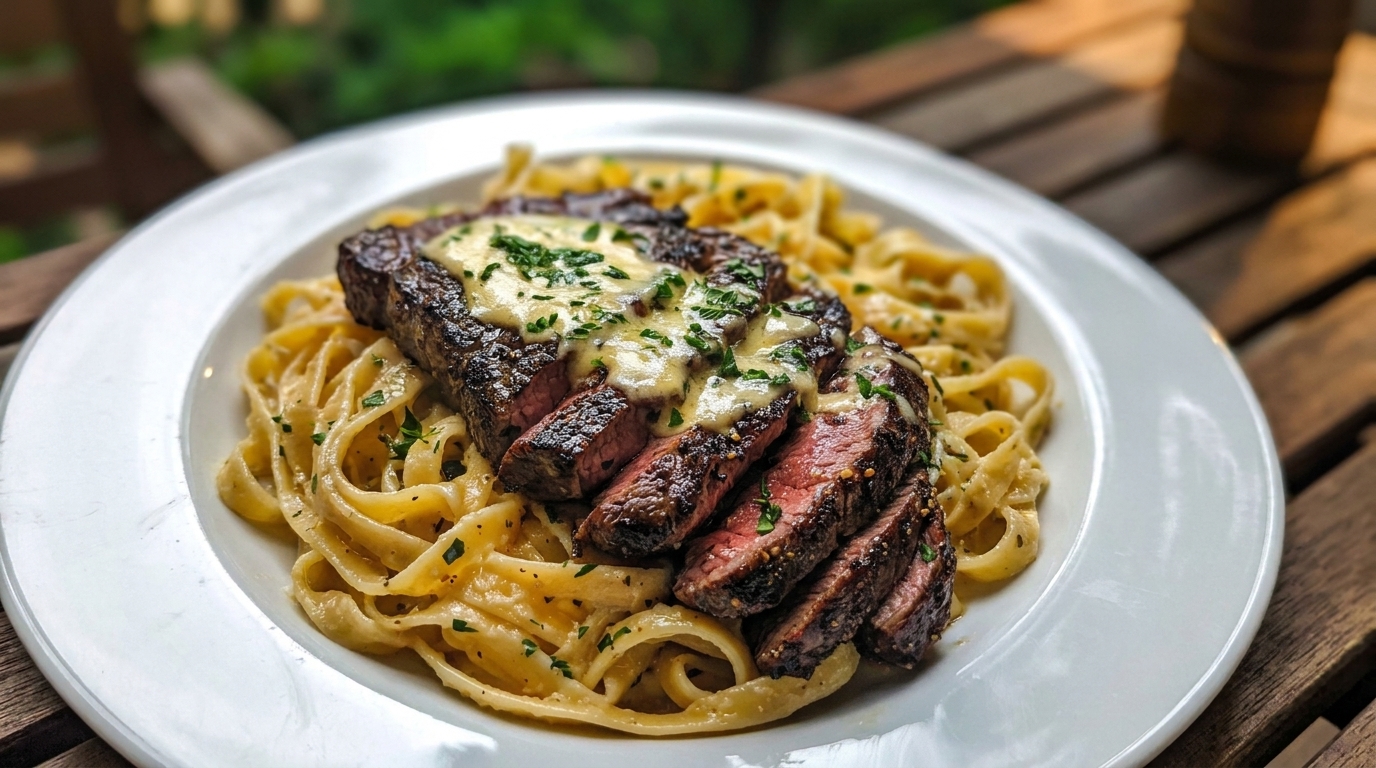
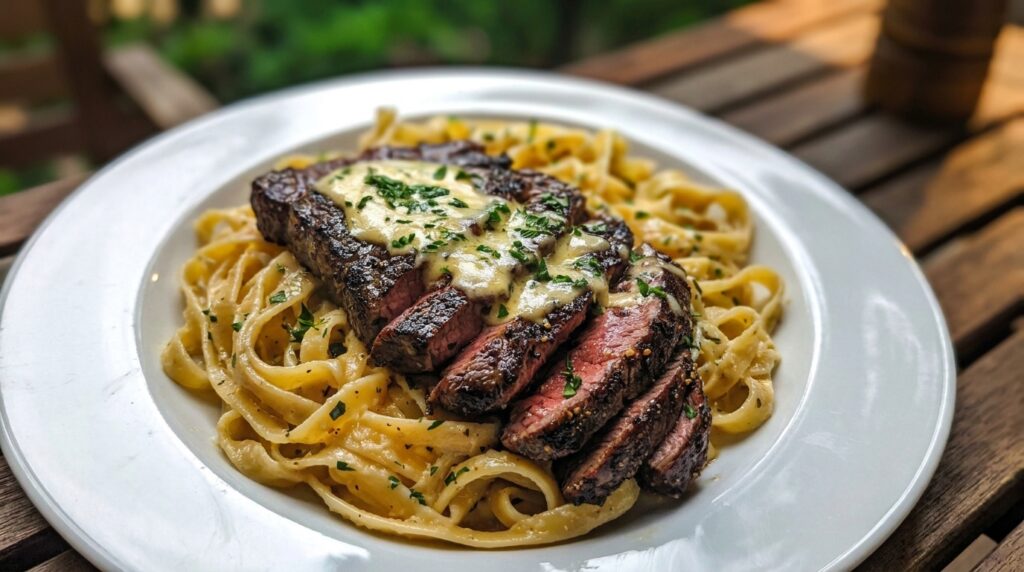
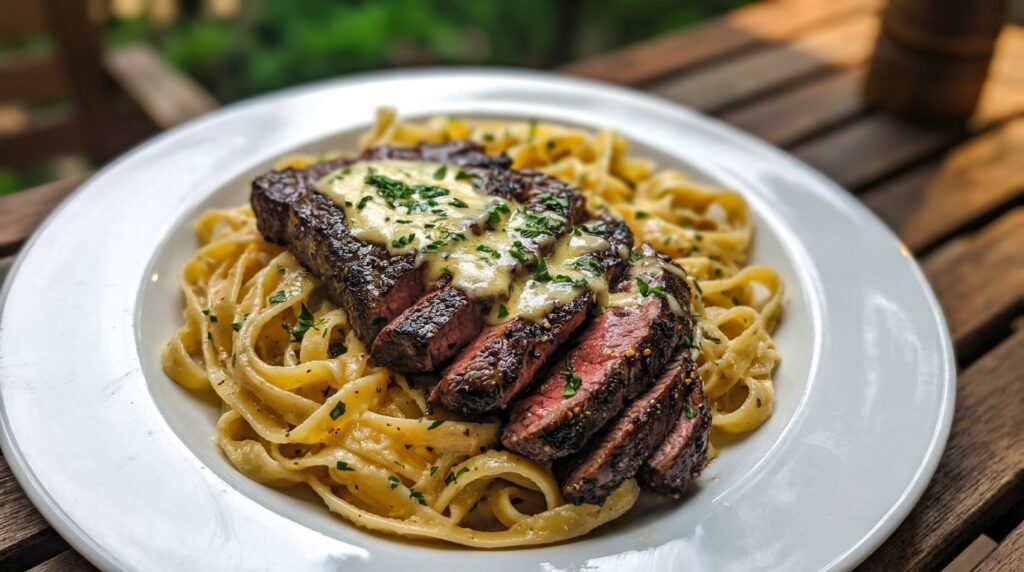
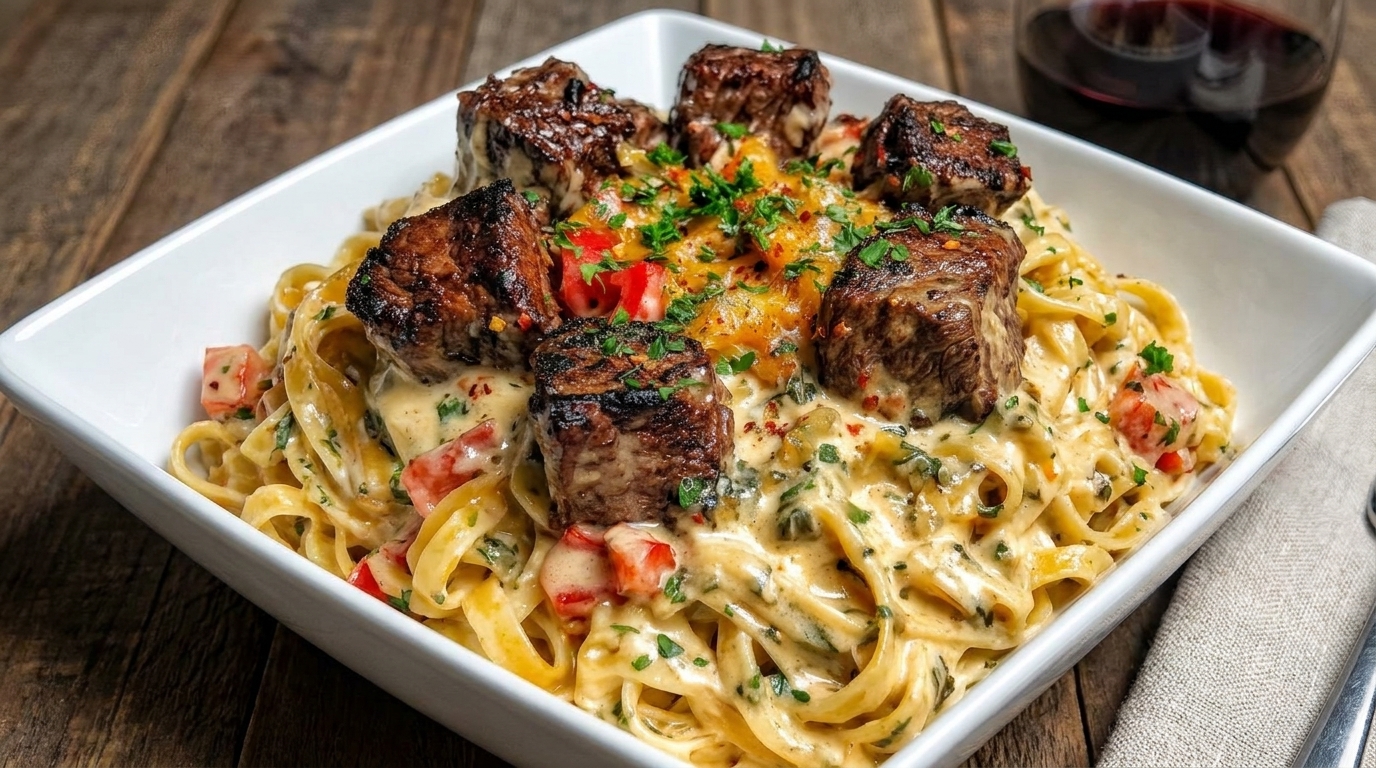
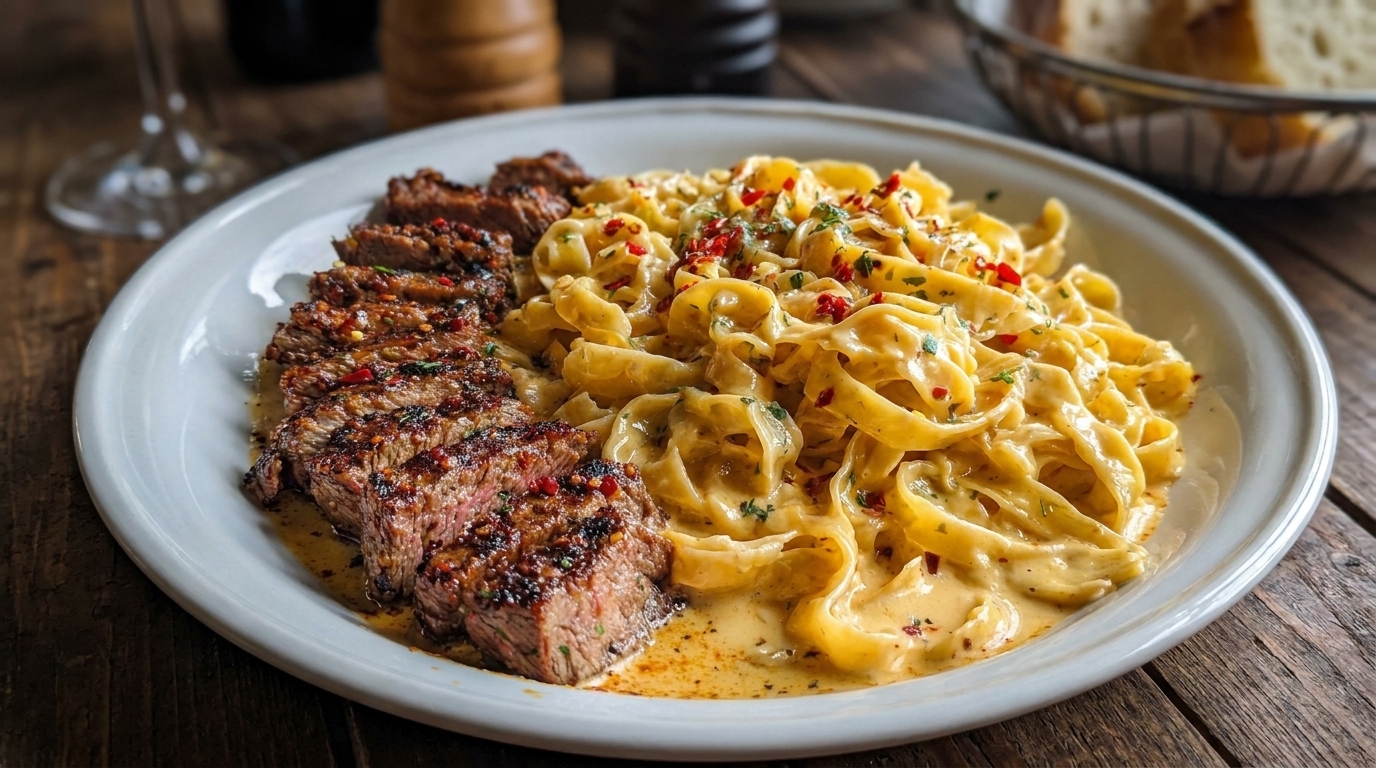
If you are craving a rich pasta dinner that combines juicy steak with a silky garlic-Parmesan sauce, this Creamy Steak Fettuccine is the perfect comfort-food recipe. Tender strips of seared steak are paired with fettuccine noodles and coated in a creamy sauce made with butter, garlic, heavy cream, Parmesan, and herbs.
The secret to making this dish taste restaurant-quality is cooking the steak separately from the sauce. The beef gets a quick, hot sear so the outside develops a flavorful golden crust while the inside stays tender. Once the steak is removed, the same skillet is used to build the cream sauce, picking up all those delicious browned bits left behind.
This recipe is ideal for date night, weekend dinners, family meals, or whenever you want something a little more special than ordinary pasta. Serve it with garlic bread, roasted vegetables, or a fresh Caesar salad for a complete meal.
Why You’ll Love This Creamy Steak Fettuccine
This recipe combines two favorites—steak and creamy pasta—in one satisfying dinner.
Fettuccine is especially good with rich sauces because the wide noodles hold onto plenty of cream and Parmesan. Every forkful gives you tender pasta, savory sauce, and juicy pieces of beef.
The recipe is also easy to customize. Mushrooms, spinach, sun-dried tomatoes, broccoli, or Cajun seasoning can all be added without changing the basic method.
You can use sirloin for an affordable option, ribeye for extra richness, or New York strip for a good balance of tenderness and beefy flavor.
Ingredients
For the Steak
1½ pounds sirloin, ribeye, or New York strip steak
1 tablespoon olive oil
1 teaspoon kosher salt
½ teaspoon freshly ground black pepper
½ teaspoon garlic powder
½ teaspoon onion powder
½ teaspoon smoked paprika
1 tablespoon unsalted butter
For the Fettuccine
12 ounces fettuccine pasta
Salt for the pasta water
¾ cup reserved pasta water
For the Creamy Garlic Parmesan Sauce
3 tablespoons unsalted butter
5 garlic cloves, finely minced
¾ cup beef broth
1¼ cups heavy cream
1 cup freshly grated Parmesan cheese
1 teaspoon Dijon mustard, optional
½ teaspoon Italian seasoning
½ teaspoon freshly ground black pepper
¼ teaspoon crushed red pepper flakes, optional
2 tablespoons chopped fresh parsley
For Serving
Extra Parmesan
Fresh parsley
Freshly cracked black pepper
How to Make Creamy Steak Fettuccine
1. Prepare the Steak
Remove the steak from the refrigerator about 20–30 minutes before cooking.
Pat it thoroughly dry with paper towels.
Cut the steak into thin strips against the grain. Cutting against the grain shortens the muscle fibers and helps the beef stay tender when eaten.
Season with salt, black pepper, garlic powder, onion powder, and smoked paprika.
Toss until the steak is evenly coated.
2. Cook the Fettuccine
Bring a large pot of generously salted water to a boil.
Add the fettuccine and cook until al dente, according to the package directions.
Before draining, reserve approximately ¾ cup of pasta water.
Drain the pasta but do not rinse it.
The starch on the noodles helps the creamy sauce cling better and can also be used to loosen the sauce later.
3. Heat the Skillet
Place a large cast-iron or heavy-bottomed skillet over medium-high heat.
Add the olive oil.
Allow the skillet to become very hot before adding the beef.
The steak should immediately sizzle when it touches the pan.
4. Sear the Steak
Add the steak strips in a single layer.
Do not overcrowd the skillet. Cook in batches if necessary.
Let the first side cook undisturbed for about 2 minutes.
Flip and cook for another 1–2 minutes, depending on the thickness of the pieces.
During the final 30 seconds, add 1 tablespoon butter and quickly toss the steak in the melted butter.
Transfer the steak to a clean plate.
Try not to overcook it because the beef will warm again at the end.
5. Start the Sauce
Reduce the skillet heat to medium.
Add 3 tablespoons butter.
Once melted, add the minced garlic.
Cook for about 30 seconds, stirring continuously.
The garlic should become fragrant without turning dark brown.
Use a wooden spoon to scrape up the browned steak bits from the bottom of the pan.
6. Add the Beef Broth
Pour in the beef broth.
Stir well and allow it to simmer for about 2 minutes.
This helps loosen the flavorful browned bits while slightly reducing the broth.
Add Dijon mustard if using.
It provides a subtle tang that helps balance the richness of the cream.
7. Add the Heavy Cream
Reduce the heat to medium-low.
Pour in the heavy cream.
Add Italian seasoning, black pepper, and optional crushed red pepper flakes.
Stir gently and allow the sauce to simmer for approximately 2–3 minutes.
Do not let it boil aggressively, as excessive heat can cause cream sauces to separate.
8. Add the Parmesan
Gradually stir in the freshly grated Parmesan.
Add it in several small portions rather than all at once.
Continue stirring until the cheese has melted and the sauce becomes smooth and creamy.
If the sauce seems too thick, add some reserved pasta water one tablespoon at a time.
9. Add the Fettuccine
Add the cooked fettuccine directly to the skillet.
Use tongs to toss the noodles gently through the cream sauce.
Continue tossing until every strand is evenly coated.
If the pasta absorbs too much sauce, add another splash of reserved pasta water.
The finished sauce should be creamy enough to cling to the noodles without becoming heavy or gluey.
10. Return the Steak
Add the seared steak and any juices that have collected on the plate.
Toss gently with the fettuccine.
Heat everything together for only 30–60 seconds.
This is enough to warm the steak without cooking it much further.
11. Finish the Pasta
Remove the skillet from the heat.
Add chopped fresh parsley.
Taste and adjust with more Parmesan, black pepper, or a small pinch of salt if needed.
Serve immediately while the sauce is smooth and creamy.
What to Serve With Creamy Steak Fettuccine
Garlic bread is one of the best sides for this pasta because it can soak up the rich Parmesan sauce.
A Caesar salad is another excellent choice. The crisp romaine and tangy dressing provide a refreshing contrast to the steak and cream.
Roasted asparagus, broccoli, green beans, or Brussels sprouts work beautifully if you want to add vegetables.
For a steakhouse-style dinner, serve the pasta with sautéed mushrooms or roasted onions.
Tips for the Best Creamy Steak Fettuccine
Use a tender steak cut. Sirloin, strip steak, ribeye, or tenderloin work best.
Pat the steak dry. Excess moisture prevents proper browning.
Use high heat for the beef. A hot skillet creates a crust quickly without overcooking the center.
Cook in batches when needed. Crowding the pan causes steaming.
Do not overcook the steak. Return it to the sauce only at the end.
Use freshly grated Parmesan. It melts more smoothly than many pre-shredded cheeses.
Keep pasta water nearby. It helps loosen and emulsify the sauce.
Keep the cream at a gentle simmer. This helps the sauce stay smooth.
Easy Recipe Variations
Creamy Mushroom Steak Fettuccine
After removing the steak, sauté 8 ounces sliced mushrooms until golden.
Add them back to the pasta with the beef.
Cajun Steak Fettuccine
Season the steak with Cajun seasoning and add a pinch of cayenne to the cream sauce.
Spinach Steak Fettuccine
Stir 2 cups fresh spinach into the sauce before adding the pasta.
Cook until just wilted.
Sun-Dried Tomato Steak Fettuccine
Add ⅓ cup chopped sun-dried tomatoes with the heavy cream.
Extra Cheesy Steak Fettuccine
Add ½ cup shredded mozzarella along with the Parmesan for an even richer cheese sauce.
Storage and Reheating
Store leftover Creamy Steak Fettuccine in an airtight container in the refrigerator for up to 3 days.
The sauce will naturally thicken when chilled.
To reheat, place the pasta in a skillet over low heat and add a splash of milk, cream, broth, or water.
Toss gently until the sauce becomes creamy again.
Avoid high heat because it can toughen the steak and cause the sauce to separate.
Make-Ahead Instructions
You can slice and season the steak several hours ahead.
The Parmesan can also be grated, and the garlic and parsley can be prepared in advance.
For the best texture, cook the fettuccine, steak, and sauce close to serving time.
If you want to save time, measure all of the sauce ingredients ahead and keep them ready in the refrigerator.
Final Thoughts
This Creamy Steak Fettuccine combines tender seared beef, silky pasta, garlic, Parmesan, butter, and cream into one satisfying restaurant-inspired dinner.
The key to the best result is cooking each component carefully: sear the steak quickly over high heat, remove it while preparing the sauce, cook the fettuccine until al dente, and return the beef only during the final minute.
Serve it with garlic bread for a cozy family meal, add mushrooms for classic steakhouse flavor, or include spinach and vegetables for extra freshness. With juicy steak and creamy Parmesan fettuccine in every bite, this is an easy pasta dinner that feels special enough for almost any occasion.
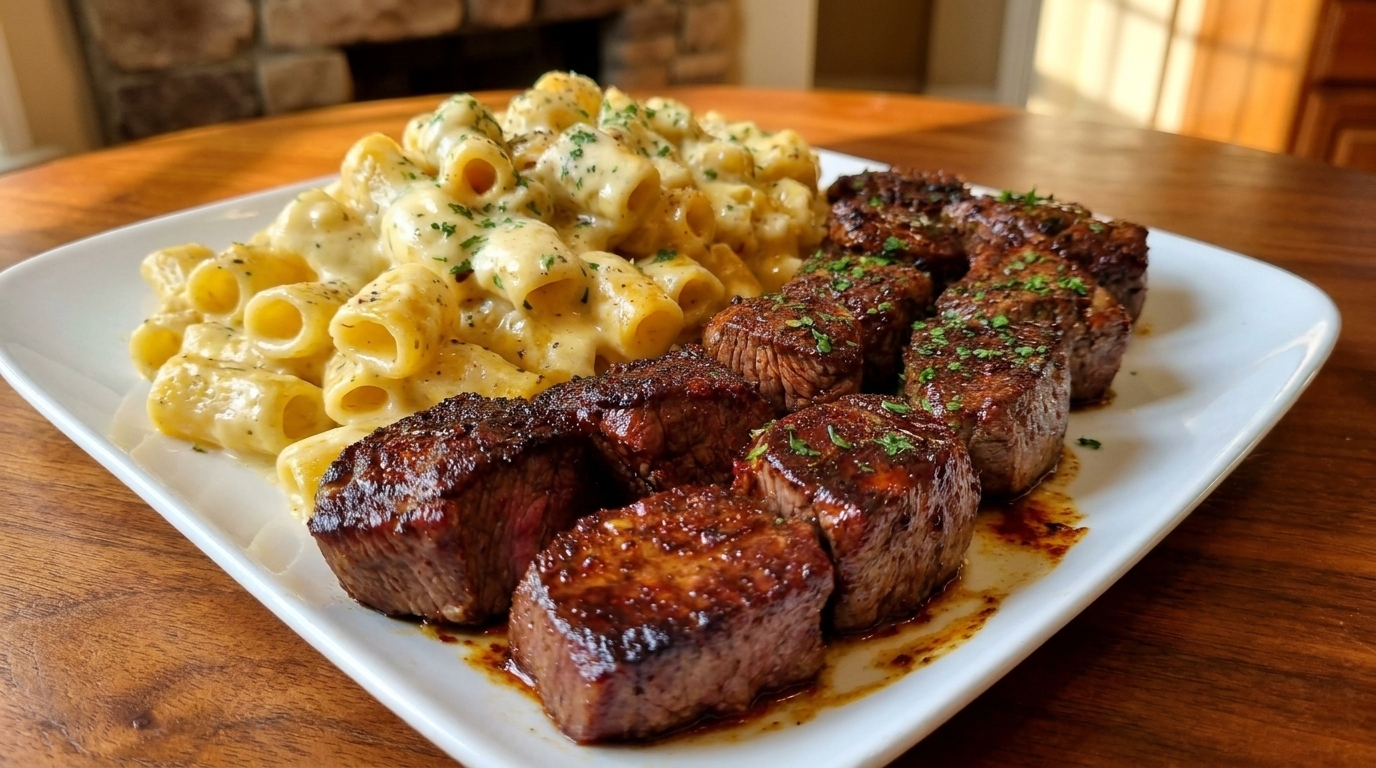
If you are craving a rich, satisfying dinner that combines tender beef with creamy pasta, this Steak Bites and Creamy Pasta Dinner is an easy recipe that feels special enough for a weekend meal but simple enough for a busy weeknight. Juicy steak bites are seasoned and seared until beautifully browned, then paired with pasta coated in a silky garlic-Parmesan cream sauce.
The key to this recipe is cooking the steak separately from the pasta sauce. The beef gets a hot, fast sear that creates flavorful caramelized edges while keeping the center tender. It is then removed from the pan while the creamy sauce is made using the browned bits left behind. The steak goes back in only at the end, so it stays juicy instead of simmering until tough.
You can make this recipe with penne, rigatoni, bowtie pasta, fettuccine, or almost any pasta you enjoy. Serve it with garlic bread, roasted vegetables, or a simple green salad for a comforting restaurant-inspired dinner at home.
Why You’ll Love This Steak Bites and Creamy Pasta Dinner
This recipe gives you steakhouse flavor and creamy comfort food in the same dish. The steak bites provide rich, savory flavor, while the Parmesan cream sauce coats every piece of pasta.
It is also surprisingly quick. Once the ingredients are prepared, the steak cooks in just a few minutes, and the sauce comes together while the pasta is boiling.
Another advantage is how easy the recipe is to customize. Add mushrooms, spinach, broccoli, sun-dried tomatoes, Cajun seasoning, or extra cheese depending on what you have available.
Sirloin is an excellent everyday choice for this recipe, while ribeye or New York strip can make it richer and more luxurious.
Ingredients
For the Steak Bites
1½ pounds sirloin, ribeye, or New York strip steak
1 tablespoon olive oil
1 teaspoon kosher salt
½ teaspoon freshly ground black pepper
½ teaspoon garlic powder
½ teaspoon onion powder
½ teaspoon smoked paprika
2 tablespoons unsalted butter
3 garlic cloves, finely minced
For the Pasta
12 ounces penne, rigatoni, bowtie, or fettuccine
Salt for the pasta water
½ cup reserved pasta water
For the Creamy Garlic Parmesan Sauce
2 tablespoons unsalted butter
4 garlic cloves, finely minced
¾ cup beef broth
1¼ cups heavy cream
1 cup freshly grated Parmesan cheese
1 teaspoon Dijon mustard, optional
½ teaspoon Italian seasoning
½ teaspoon freshly ground black pepper
¼ teaspoon crushed red pepper flakes, optional
2 tablespoons chopped fresh parsley
For Serving
Extra grated Parmesan
Fresh parsley
Freshly cracked black pepper
How to Make Steak Bites and Creamy Pasta
1. Prepare the Steak
Remove the steak from the refrigerator about 20–30 minutes before cooking.
Pat it completely dry with paper towels.
Cut the steak into approximately 1 to 1½-inch cubes.
Place the pieces in a bowl and season with salt, black pepper, garlic powder, onion powder, and smoked paprika.
Toss until the steak is evenly coated.
Drying the steak properly is important because moisture can prevent a good crust from developing.
2. Cook the Pasta
Bring a large pot of generously salted water to a boil.
Add the pasta and cook until al dente, following the package instructions.
Before draining, reserve about ½ cup of the pasta water.
Drain the pasta but do not rinse it.
The starch that remains on the pasta helps the cream sauce cling better.
3. Heat the Skillet
Place a large cast-iron or heavy-bottomed skillet over medium-high to high heat.
Add the olive oil.
Allow the skillet to become very hot.
The oil should shimmer before you add the steak.
A properly heated pan allows the steak to brown quickly without overcooking the center.
4. Sear the Steak Bites
Add the steak pieces in a single layer.
Do not overcrowd the skillet. If necessary, cook in two batches.
Let the steak sear without moving it for about 2 minutes.
Turn the pieces and cook for another 1–2 minutes.
During the final 30 seconds, add 2 tablespoons butter and 3 minced garlic cloves.
Toss the steak quickly in the garlic butter.
Transfer the steak bites to a clean plate.
Do not wipe out the skillet. The browned bits left behind are full of flavor.
5. Start the Cream Sauce
Reduce the heat to medium.
Add 2 tablespoons butter to the same skillet.
Once melted, add the remaining minced garlic.
Cook for about 30 seconds, stirring constantly.
The garlic should become fragrant without turning dark brown.
6. Add the Beef Broth
Pour in the beef broth.
Use a wooden spoon to scrape the bottom of the skillet and loosen all the browned steak bits.
Let the broth simmer for approximately 2 minutes.
This slightly reduces the liquid while concentrating the savory beef flavor.
Add Dijon mustard if using.
7. Add the Heavy Cream
Reduce the heat to medium-low.
Pour in the heavy cream.
Stir in Italian seasoning, black pepper, and optional crushed red pepper flakes.
Let the sauce simmer gently for approximately 2–3 minutes.
Avoid a hard boil because excessive heat can cause cream sauces to separate.
8. Add the Parmesan
Gradually sprinkle the Parmesan into the sauce while stirring.
Continue stirring until the cheese has completely melted and the sauce is smooth.
If the sauce becomes too thick, add reserved pasta water one tablespoon at a time.
If it looks too thin, let it simmer gently for another minute.
9. Add the Pasta
Add the cooked pasta directly to the skillet.
Toss thoroughly until every piece is coated in the creamy Parmesan sauce.
Add a little extra pasta water if needed to create a silky consistency.
The sauce should coat the pasta rather than pooling heavily at the bottom of the skillet.
10. Return the Steak Bites
Add the steak and any juices that have collected on the plate back to the skillet.
Toss gently.
Warm everything together for only 30–60 seconds.
Avoid simmering the steak for several minutes because this can cause it to become tough.
11. Finish and Serve
Remove the skillet from the heat.
Stir in chopped fresh parsley.
Taste and adjust with extra black pepper, Parmesan, or a small pinch of salt if needed.
Serve immediately with additional Parmesan and parsley over the top.
What to Serve With Steak Bites and Creamy Pasta
Garlic bread is one of the best sides for this meal because it is perfect for soaking up the creamy Parmesan sauce.
A Caesar salad or simple garden salad adds freshness and helps balance the richness of the steak and cream.
For vegetables, try roasted broccoli, asparagus, zucchini, green beans, or Brussels sprouts.
Sautéed mushrooms are especially good with this dish and can give it even more of a steakhouse-style flavor.
Tips for the Best Steak Bites and Creamy Pasta
Pat the steak completely dry. This is essential for proper browning.
Use a hot skillet. Steak bites need high heat to develop a crust quickly.
Cook in batches when necessary. Overcrowding causes the steak to steam.
Do not overcook the steak. Remember that the beef will warm again when returned to the pasta.
Use freshly grated Parmesan. It generally melts more smoothly than pre-shredded cheese.
Reserve pasta water. The starch helps adjust the sauce while keeping it creamy.
Keep the cream at a gentle simmer. Aggressive boiling can affect the texture.
Easy Recipe Variations
Creamy Mushroom Steak Pasta
After removing the steak, sauté 8 ounces sliced mushrooms until deeply golden before making the sauce.
Cajun Steak Pasta
Season the steak with Cajun seasoning instead of paprika and add a little cayenne to the cream sauce.
Creamy Spinach Steak Pasta
Add 2 cups fresh spinach to the sauce and stir until just wilted.
Sun-Dried Tomato Steak Pasta
Add ⅓ cup chopped sun-dried tomatoes with the heavy cream for a tangy, savory variation.
Extra Cheesy Steak Pasta
Add ½ cup shredded mozzarella along with the Parmesan for an even thicker, cheesier sauce.
Storage and Reheating
Store leftover steak pasta in an airtight container in the refrigerator for up to 3 days.
Cream sauce will naturally thicken as it cools.
To reheat, place the pasta in a skillet over low heat with a splash of milk, cream, beef broth, or water.
Stir gently until warm and creamy again.
Avoid reheating over high heat because the steak can become tough and the sauce may separate.
Make-Ahead Instructions
You can cut and season the steak several hours before cooking.
The Parmesan can be grated, the garlic minced, and the parsley chopped ahead of time.
For the best flavor and texture, cook the steak and pasta shortly before serving.
If you want to save time on a busy evening, measure all the ingredients beforehand and keep them refrigerated separately.
Final Thoughts
This Steak Bites and Creamy Pasta Dinner brings together juicy seared beef, tender pasta, garlic, butter, Parmesan, herbs, and a silky cream sauce in one hearty meal.
The secret to keeping everything delicious is simple: sear the steak quickly over high heat, remove it while making the sauce, cook the pasta until al dente, and return the beef only during the final minute.
Serve it with garlic bread for a cozy family dinner, add mushrooms for a steakhouse-inspired variation, or include spinach and vegetables for extra color and texture. With buttery steak bites and creamy garlic-Parmesan pasta in every bite, this is an easy dinner recipe that feels special without requiring complicated cooking.
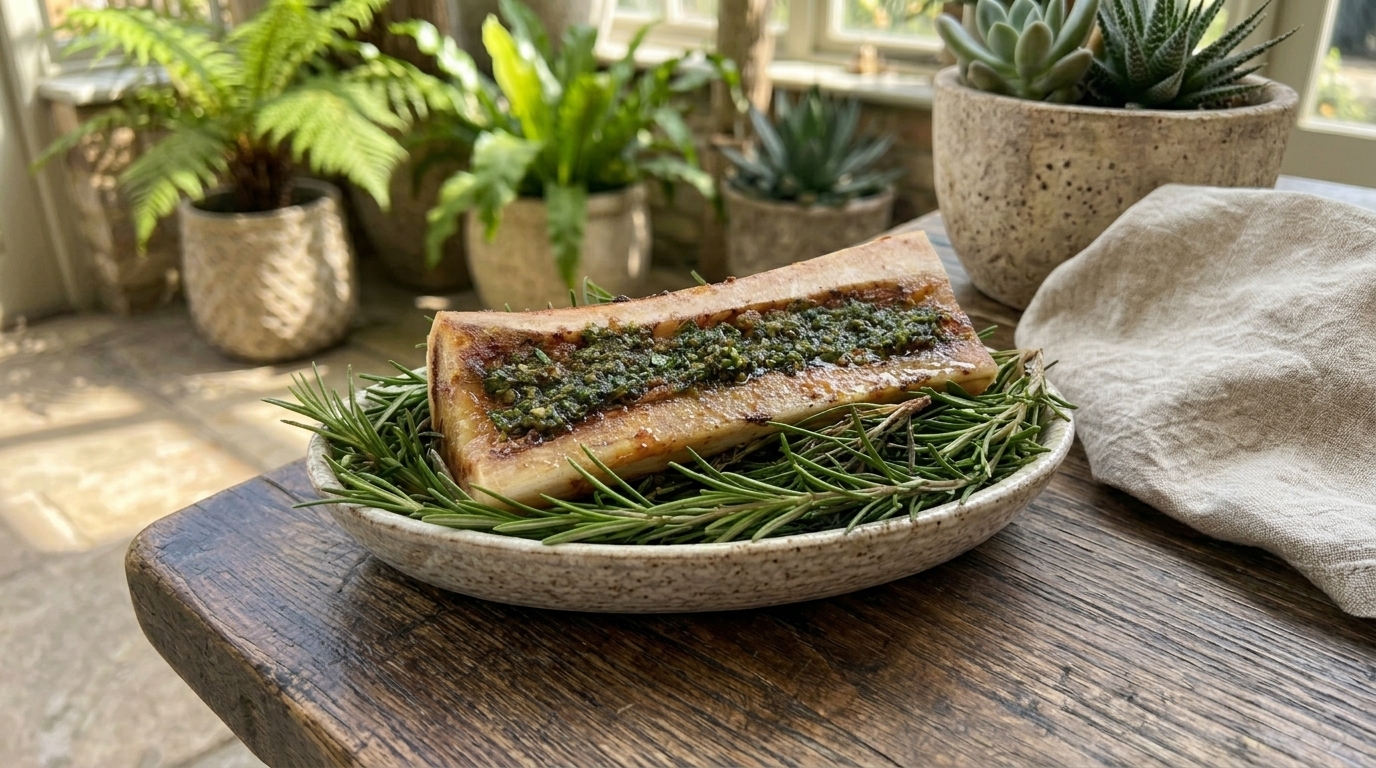
A luxurious and flavorful appetizer featuring rich beef bone marrow roasted until warm, buttery, and incredibly tender. Served with fresh herbs, garlic, and a touch of seasoning, this classic dish delivers a deep savory flavor with a silky texture that melts beautifully over toasted bread.
Why You’ll Love It
Rich, buttery, melt-in-your-mouth texture
Restaurant-style appetizer made at home
Incredible savory beef flavor
Perfect for special dinners and gatherings
Simple ingredients with an elegant presentation
Pairs beautifully with toasted bread and fresh herbs
Ingredients Overview
For the Bone Marrow
4–6 beef marrow bone pieces, split lengthwise
2 tbsp olive oil
3 cloves garlic, minced
2 tbsp fresh parsley, chopped
1 tbsp fresh rosemary, chopped
1 tsp sea salt
1 tsp black pepper
1 tsp lemon zest
1 tbsp lemon juice
For Serving
Toasted baguette slices
Fresh herbs
Flaky sea salt
Lemon wedges
Pickled onions (optional)
Fresh salad greens
Step-by-Step Instructions
1. Prepare the Bone Marrow
Preheat the oven to 450°F (230°C).
Rinse the marrow bones under cold water and pat them completely dry.
Place the bones cut-side up on a baking tray lined with foil or parchment paper.
Let the bones rest for 10–15 minutes to absorb the flavors.
3. Roast the Bone Marrow
Roast the bones for 15–20 minutes until the marrow becomes soft, glossy, and slightly golden on top.
Avoid overcooking, as the marrow can melt away if left too long.
4. Prepare the Serving Bread
While the marrow roasts, toast baguette slices until golden and crispy.
Brush lightly with olive oil or garlic butter for extra flavor.
5. Serve
Place the roasted marrow on a serving plate.
Sprinkle with fresh herbs and flaky sea salt.
Serve immediately by scooping the warm marrow onto toasted bread.
Cooking Tips
Ask your butcher for center-cut marrow bones for the best presentation.
Soak bones in cold salted water for a few hours to remove excess blood if desired.
Roast until the marrow is soft but still holds its shape.
Serve immediately while the marrow is warm and creamy.
Add a splash of lemon juice to balance the richness.
Fresh herbs add brightness to the deep beef flavor.
Serving Suggestions
Serve Roasted Bone Marrow with:
Crispy toasted sourdough
Garlic bread
Fresh herb salad
Pickled vegetables
Steak dinner
Red wine pairing
Storage
Roasted bone marrow is best enjoyed fresh.
If needed, store leftover marrow in an airtight container in the refrigerator for up to 2 days.
Reheat gently in the oven until warm.
Leftover Ideas
Spread onto toast like a rich butter
Add to mashed potatoes for extra flavor
Mix into sauces and gravies
Use as a topping for grilled steak
Add to pasta sauces for a deeper flavor
FAQs
What type of bones are best for roasted marrow? Beef femur or shank bones cut lengthwise are ideal because they contain a generous amount of marrow.
Can I prepare bone marrow ahead of time? Yes. Season the bones ahead and refrigerate until ready to roast.
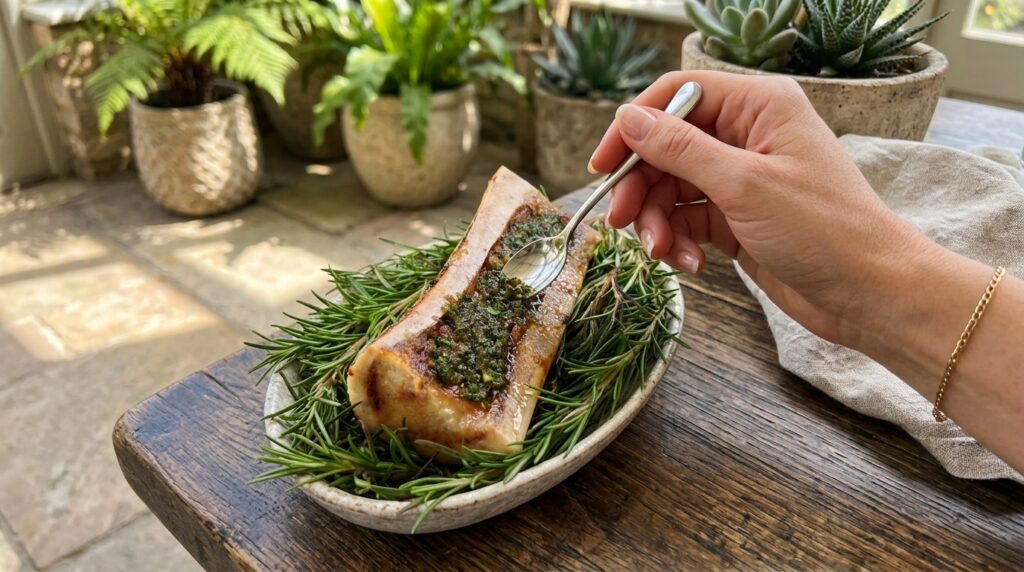
How do I eat roasted bone marrow? Scoop the soft marrow from the bone using a small spoon and spread it over toasted bread.
Is bone marrow supposed to be liquid? It should be soft, creamy, and buttery. Some melted fat around the marrow is normal.
Can I grill bone marrow instead of roasting? Yes. Grill over medium heat until the marrow becomes soft and slightly caramelized.
Final Thoughts
Roasted Bone Marrow is a timeless gourmet dish that transforms a simple ingredient into an unforgettable experience. With its creamy texture, rich beef flavor, and fresh herb finish, it makes the perfect appetizer for anyone who loves bold, traditional flavors.
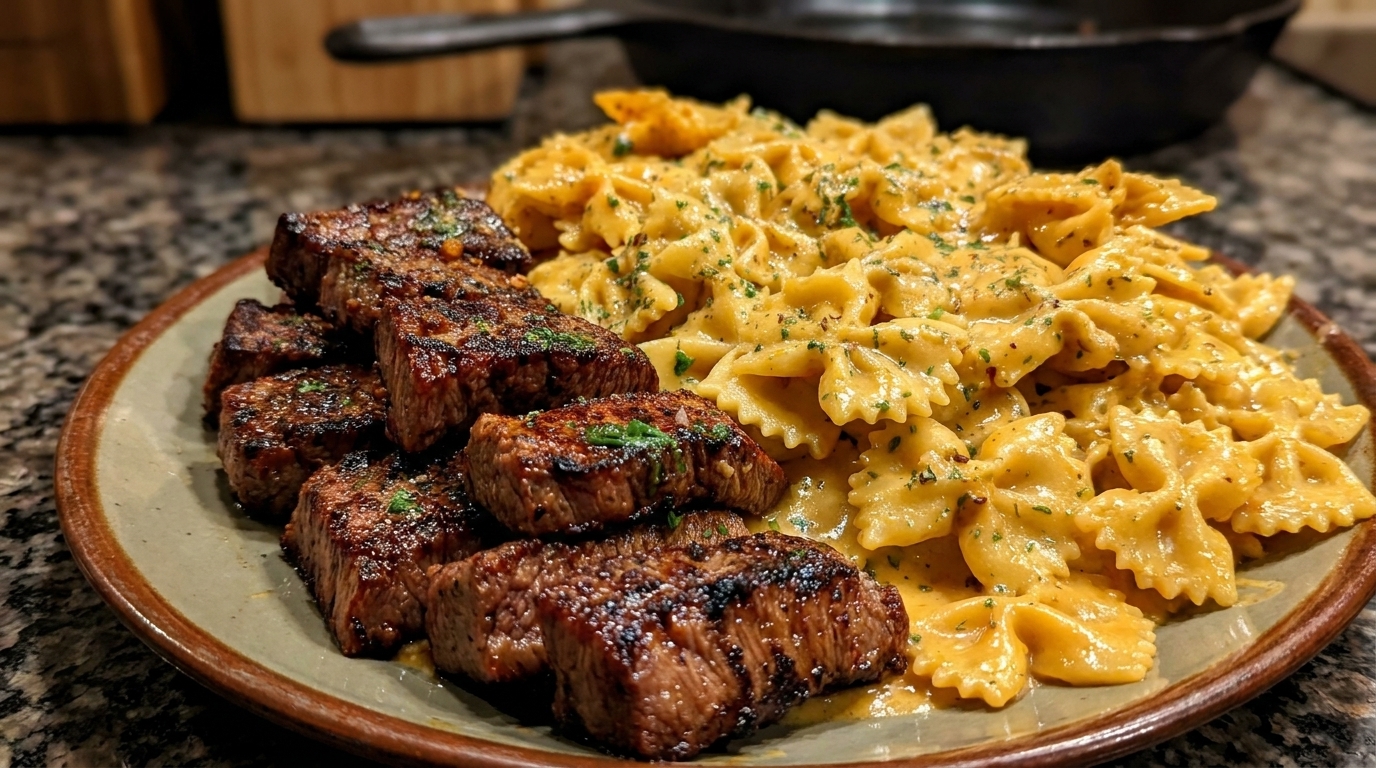
If you are craving a rich and comforting dinner with tender beef, creamy pasta, and plenty of garlic-Parmesan flavor, this Steak Bites and Creamy Bowtie Pasta recipe is a perfect choice. Juicy steak bites are seared until deeply golden on the outside, then served with farfalle pasta coated in a silky cream sauce made with garlic, butter, Parmesan, herbs, and a splash of beef broth.
Bowtie pasta, also known as farfalle, works especially well in creamy sauces because its folded shape catches plenty of sauce in every bite. Paired with buttery steak bites, it turns a simple pasta dinner into something that feels more like a restaurant meal.
This recipe is great for busy weeknights, date nights, weekend dinners, or family gatherings. You can serve it on its own or pair it with garlic bread, roasted vegetables, or a crisp green salad.
Why You’ll Love This Steak Bites and Creamy Bowtie Pasta
One of the best things about this recipe is the contrast between the deeply seared steak and the creamy pasta. The beef develops caramelized edges in a very hot skillet, while the inside stays juicy and tender.
The cream sauce is rich without being complicated. Garlic, Parmesan, butter, beef broth, and herbs create plenty of flavor using everyday ingredients.
Cooking the steak separately is also important. The bites are seared quickly and removed from the skillet while the sauce is prepared. They are added back only at the end, which prevents the beef from becoming tough.
This recipe is also easy to customize with mushrooms, spinach, sun-dried tomatoes, Cajun seasoning, or extra cheese.
Ingredients
For the Steak Bites
1½ pounds sirloin, ribeye, or New York strip steak
1 tablespoon olive oil
1 teaspoon kosher salt
½ teaspoon freshly ground black pepper
½ teaspoon garlic powder
½ teaspoon onion powder
½ teaspoon smoked paprika
2 tablespoons unsalted butter
3 garlic cloves, finely minced
For the Bowtie Pasta
12 ounces bowtie pasta (farfalle)
Salt for the pasta water
½ cup reserved pasta water
For the Creamy Parmesan Sauce
2 tablespoons unsalted butter
4 garlic cloves, finely minced
¾ cup beef broth
1¼ cups heavy cream
1 cup freshly grated Parmesan cheese
½ teaspoon Italian seasoning
½ teaspoon freshly ground black pepper
¼ teaspoon crushed red pepper flakes, optional
1 teaspoon Dijon mustard, optional
2 tablespoons chopped fresh parsley
For Serving
Extra Parmesan cheese
Fresh parsley
Freshly cracked black pepper
How to Make Steak Bites and Creamy Bowtie Pasta
1. Prepare the Steak
Remove the steak from the refrigerator about 20–30 minutes before cooking.
Pat it thoroughly dry with paper towels.
Cut the steak into approximately 1 to 1½-inch cubes.
Try to keep the pieces similar in size so they cook evenly.
Place them in a bowl and season with salt, black pepper, garlic powder, onion powder, and smoked paprika.
Toss until evenly coated.
2. Cook the Bowtie Pasta
Bring a large pot of generously salted water to a boil.
Add the bowtie pasta and cook until al dente, following the package directions.
Before draining, reserve approximately ½ cup of pasta water.
Drain the pasta and set it aside.
Do not rinse it. The starch remaining on the pasta helps the creamy sauce cling better.
3. Heat the Skillet
Place a large cast-iron or heavy-bottomed skillet over medium-high to high heat.
Add the olive oil.
Allow the skillet to become very hot before adding the steak.
The oil should shimmer.
A properly heated pan is important because steak bites need intense heat to develop a golden crust without overcooking the center.
4. Sear the Steak Bites
Add the steak in a single layer.
Do not overcrowd the skillet. Cook in two batches if necessary.
Let the steak sear without moving it for approximately 2 minutes.
Turn the pieces and cook for another 1–2 minutes.
The outside should be browned while the center remains tender.
During the final 30 seconds, add 2 tablespoons butter and 3 minced garlic cloves.
Toss the steak quickly in the garlic butter.
Transfer the steak bites to a plate.
5. Start the Cream Sauce
Reduce the skillet heat to medium.
Add 2 tablespoons butter.
Once melted, add the remaining minced garlic.
Cook for approximately 30 seconds, stirring continuously.
Use a wooden spoon to scrape up the browned bits left from the steak.
Those browned pieces add a lot of savory flavor to the sauce.
6. Add the Beef Broth
Pour in the beef broth.
Stir well and let it simmer for about 2 minutes.
This helps loosen the browned bits from the skillet and concentrates the beef flavor.
Add Dijon mustard if using.
The mustard adds subtle tang without making the sauce taste strongly of mustard.
7. Add the Heavy Cream
Reduce the heat to medium-low.
Pour in the heavy cream.
Add Italian seasoning, black pepper, and optional crushed red pepper flakes.
Stir and allow the sauce to simmer gently for approximately 2–3 minutes.
Avoid boiling aggressively because very high heat can cause dairy sauces to separate.
8. Add the Parmesan
Gradually add the freshly grated Parmesan while stirring.
Continue mixing until the cheese melts and the sauce becomes smooth and creamy.
If the sauce seems too thick, add reserved pasta water one tablespoon at a time.
If it looks too thin, allow it to simmer gently for another minute.
9. Add the Bowtie Pasta
Add the drained bowtie pasta directly to the skillet.
Toss gently until every piece is coated with the creamy garlic-Parmesan sauce.
The sauce should settle into the folds and centers of the bowtie pasta.
Add another splash of pasta water if needed to create a silky consistency.
10. Return the Steak Bites
Add the steak bites and any juices from the plate back to the skillet.
Toss gently.
Cook for only 30–60 seconds, just until the beef is warmed through.
Avoid simmering the steak in the cream sauce for several minutes, as this can make it tougher.
11. Finish with Fresh Herbs
Remove the skillet from the heat.
Stir in the chopped parsley.
Taste and adjust the seasoning with extra black pepper, Parmesan, or a small amount of salt if needed.
Serve immediately with extra Parmesan scattered over the top.
What to Serve With Steak Bites and Creamy Bowtie Pasta
Garlic bread is one of the best accompaniments for this dish because it is perfect for soaking up the extra cream sauce.
A crisp Caesar salad also works beautifully. The fresh lettuce and tangy dressing balance the richness of the steak and pasta.
For vegetables, try roasted asparagus, broccoli, green beans, zucchini, or Brussels sprouts.
Sautéed mushrooms are another excellent choice if you want a steakhouse-inspired dinner.
Tips for the Best Steak Bites and Creamy Pasta
Pat the steak dry. Dry beef develops a better crust.
Use a hot skillet. High heat helps the steak brown quickly.
Do not overcrowd the pan. Crowding causes the beef to steam instead of sear.
Use a tender cut of steak. Sirloin gives great value, while ribeye provides extra richness.
Do not overcook the steak. It will warm again when added to the pasta.
Use freshly grated Parmesan. It melts much more smoothly into cream sauce.
Reserve pasta water. The starch helps adjust the sauce without making it watery.
Keep the cream at a gentle simmer. Excessive heat can cause separation.
Easy Recipe Variations
Mushroom Steak Bowtie Pasta
Sauté 8 ounces sliced mushrooms after removing the steak.
Cook until deeply golden before making the cream sauce.
Cajun Steak Pasta
Season the steak with Cajun seasoning and add a pinch of cayenne to the cream sauce.
Spinach Steak Pasta
Stir 2 cups fresh spinach into the cream sauce before adding the pasta.
Cook until just wilted.
Sun-Dried Tomato Steak Pasta
Add ⅓ cup chopped sun-dried tomatoes when you add the cream.
Their tangy flavor works especially well with Parmesan and steak.
Extra Cheesy Steak Pasta
Add ½ cup shredded mozzarella along with the Parmesan for a thicker, cheesier sauce.
Storage and Reheating
Store leftovers in an airtight container in the refrigerator for up to 3 days.
Cream sauces naturally thicken once chilled.
To reheat, place the pasta in a skillet over low heat with a splash of milk, cream, beef broth, or water.
Stir gently until the sauce becomes creamy again.
Avoid reheating over high heat because the steak can become tough and the cream sauce may separate.
Make-Ahead Instructions
You can cut and season the steak several hours ahead.
The Parmesan can also be grated and the garlic and parsley prepared in advance.
For the best texture, cook the steak and pasta shortly before serving.
If you want to save time, measure all the sauce ingredients earlier in the day and refrigerate them separately.
Final Thoughts
This Steak Bites and Creamy Bowtie Pasta combines juicy, golden beef with tender farfalle pasta and a rich garlic-Parmesan cream sauce for a comforting dinner that feels special without requiring complicated techniques.
The secret is to sear the steak quickly over high heat, remove it while making the sauce, and add it back only at the very end. This keeps every steak bite tender while the bowtie pasta absorbs plenty of creamy, savory flavor.
Serve it with garlic bread for a cozy family dinner, add mushrooms for a steakhouse-style twist, or include spinach and vegetables for a more colorful meal. With buttery steak bites and creamy pasta in every forkful, this is an easy recipe you can return to whenever you want a hearty restaurant-inspired dinner.
If you are craving a comforting dinner with tender steak, perfectly cooked pasta, and a rich garlic-Parmesan cream sauce, this Creamy Steak Pasta is the kind of recipe that delivers restaurant-style flavor without complicated preparation. Juicy pieces of steak are quickly seared until golden, then combined with pasta and a silky sauce made with butter, garlic, cream, Parmesan, and herbs.
The secret to keeping the steak tender is cooking it separately from the sauce. The beef is seared over high heat to create a flavorful crust, removed from the skillet, and returned only at the very end. This prevents it from simmering too long and becoming tough.
This recipe works beautifully for weeknight dinners, date nights, family meals, or special occasions. You can make it with ribeye, sirloin, New York strip, or tenderloin, and almost any pasta shape will work. Serve it with garlic bread, roasted vegetables, or a crisp salad for a complete meal.
Why You’ll Love This Creamy Steak Pasta
This dish brings together two comfort-food favorites: juicy steak and creamy pasta.
The steak develops caramelized edges from a hot skillet, while the cream sauce picks up the flavorful browned bits left behind. Parmesan adds savory richness, garlic gives the sauce plenty of depth, and fresh parsley adds a little brightness.
It is also extremely customizable. Add mushrooms, spinach, sun-dried tomatoes, Cajun seasoning, broccoli, or extra cheese depending on the flavor you want.
Another benefit is how quickly everything cooks. Once your ingredients are prepared, the steak and sauce can be finished while the pasta boils.
Ingredients
For the Steak
1½ pounds sirloin, ribeye, New York strip, or tenderloin steak
1 tablespoon olive oil
1 teaspoon kosher salt
½ teaspoon freshly ground black pepper
½ teaspoon garlic powder
½ teaspoon onion powder
½ teaspoon smoked paprika
For the Pasta
12 ounces penne, rigatoni, fettuccine, linguine, or bow-tie pasta
Salt for the pasta water
½ cup reserved pasta water
For the Creamy Garlic Parmesan Sauce
3 tablespoons unsalted butter
5 garlic cloves, finely minced
¾ cup beef broth
1¼ cups heavy cream
1 cup freshly grated Parmesan cheese
1 teaspoon Dijon mustard, optional
½ teaspoon Italian seasoning
½ teaspoon freshly ground black pepper
¼ teaspoon crushed red pepper flakes, optional
2 tablespoons chopped fresh parsley
For Serving
Extra Parmesan cheese
Fresh parsley
Freshly cracked black pepper
Optional lemon wedges
How to Make Creamy Steak Pasta
1. Prepare the Steak
Remove the steak from the refrigerator about 20–30 minutes before cooking.
Pat it very dry with paper towels.
Cut the steak into strips or bite-sized pieces. Try to keep the pieces similar in size so they cook evenly.
Season with salt, black pepper, garlic powder, onion powder, and smoked paprika.
Patting the steak dry is one of the most important steps. Moist steak tends to steam instead of developing a dark seared crust.
2. Cook the Pasta
Bring a large pot of salted water to a boil.
Add your pasta and cook until al dente, according to package directions.
Before draining, reserve approximately ½ cup of pasta water.
Drain the pasta but do not rinse it.
The starch remaining on the pasta helps the creamy sauce cling more effectively.
3. Heat the Skillet
Place a large cast-iron or heavy-bottomed skillet over medium-high heat.
Add the olive oil.
Allow the pan to become very hot before adding the steak.
The oil should shimmer, and the beef should immediately sizzle when it touches the skillet.
4. Sear the Steak
Add the steak in a single layer.
Avoid overcrowding the skillet. If necessary, cook it in two batches.
Let the steak cook without moving it for approximately 2–3 minutes.
Once it develops a browned crust, flip and cook for another 1–2 minutes, depending on thickness and your preferred doneness.
Transfer the steak to a clean plate.
Do not worry if there are browned pieces stuck to the skillet. Those bits will add tremendous flavor to the sauce.
5. Start the Garlic Butter Sauce
Reduce the heat to medium.
Add the butter to the skillet.
Once melted, add the minced garlic.
Cook for approximately 30 seconds, stirring constantly.
The garlic should become fragrant but should not turn dark brown.
Use a wooden spoon to scrape some of the browned steak bits from the bottom of the pan.
6. Add the Beef Broth
Pour in the beef broth.
Stir well, scraping up the remaining browned pieces.
Let the broth simmer for approximately 2 minutes.
This slightly reduces the liquid and concentrates the beef flavor.
Stir in the optional Dijon mustard.
It will not make the pasta taste strongly of mustard; it simply adds subtle tanginess that balances the rich cream.
7. Add the Heavy Cream
Reduce the heat to medium-low.
Pour in the heavy cream.
Add Italian seasoning, black pepper, and optional red pepper flakes.
Stir gently.
Let the sauce simmer for approximately 2–3 minutes.
Avoid allowing it to boil aggressively because excessive heat can cause cream sauces to separate.
8. Add the Parmesan
Gradually add the freshly grated Parmesan while stirring.
Let each addition melt before adding more.
Continue stirring until the sauce becomes smooth and creamy.
If it gets too thick, add a small splash of reserved pasta water.
If the sauce seems slightly thin, allow it to simmer gently for another minute.
9. Add the Pasta
Add the drained pasta directly to the skillet.
Toss until every piece is coated in the creamy Parmesan sauce.
Add reserved pasta water a tablespoon at a time if needed.
The starch in the pasta water helps create a glossy, restaurant-style sauce.
10. Return the Steak
Return the seared steak and any juices from the plate to the skillet.
Toss gently with the pasta.
Cook for just 30–60 seconds, long enough to warm the steak without continuing to cook it extensively.
This is the key to keeping the beef tender.
11. Finish with Fresh Herbs
Remove the skillet from the heat.
Stir in chopped parsley.
Taste and adjust with more Parmesan, black pepper, or a small pinch of salt if necessary.
Serve immediately with extra Parmesan scattered over the top.
What to Serve With Creamy Steak Pasta
Garlic bread is one of the best sides for this dish because it is perfect for soaking up any leftover Parmesan cream sauce.
A Caesar salad or simple garden salad can provide a fresh contrast to the rich pasta.
For vegetables, roasted asparagus, broccoli, green beans, zucchini, or Brussels sprouts all pair beautifully with steak.
You can also serve sautéed mushrooms alongside the pasta for a classic steakhouse-inspired meal.
Tips for the Best Creamy Steak Pasta
Use a tender steak cut. Sirloin gives excellent value, while ribeye provides richer flavor.
Pat the steak completely dry. This encourages proper browning.
Cook the steak in batches. Overcrowding lowers the skillet temperature and prevents a good sear.
Do not overcook the beef. Remember that it will warm again in the sauce.
Use freshly grated Parmesan. It melts more smoothly and creates a better sauce.
Save some pasta water. It is the easiest way to adjust the consistency without diluting the flavor.
Keep the cream at a gentle simmer. High heat can cause separation.
Easy Recipe Variations
Creamy Mushroom Steak Pasta
After removing the steak, sauté 8 ounces sliced mushrooms in a little butter until deeply golden.
Continue with the garlic sauce and add the mushrooms back with the steak.
Creamy Spinach Steak Pasta
Stir 2 cups fresh spinach into the sauce before adding the pasta.
Cook just until wilted.
Cajun Creamy Steak Pasta
Season the steak with Cajun seasoning and add a pinch of cayenne to the cream sauce.
Sun-Dried Tomato Steak Pasta
Add ⅓ cup chopped sun-dried tomatoes with the heavy cream.
Their tangy flavor works beautifully with Parmesan and steak.
Creamy Garlic Pepper Steak Pasta
Increase the cracked black pepper and add an extra garlic clove for a bolder steakhouse-style flavor.
Storage and Reheating
Store leftovers in an airtight container in the refrigerator for up to 3 days.
Cream sauces naturally thicken when chilled.
To reheat, place the pasta in a skillet over low heat and add a splash of milk, cream, broth, or water.
Stir gently until the sauce becomes creamy again.
Avoid using high heat because it can make the steak tougher and cause the cream sauce to separate.
If using a microwave, heat in short intervals and stir between each one.
Make-Ahead Instructions
You can slice and season the steak several hours ahead.
The Parmesan can also be grated, garlic minced, and herbs chopped in advance.
For the best final texture, cook the pasta and steak close to serving time.
If you want to save time on a busy evening, prepare all the ingredients beforehand and refrigerate them separately so the actual cooking comes together quickly.
Final Thoughts
This Creamy Steak Pasta combines tender seared beef, al dente pasta, fresh garlic, Parmesan, herbs, and a silky cream sauce in one satisfying meal.
The key is to build the recipe in stages: sear the steak over high heat, remove it before making the sauce, loosen the flavorful browned bits with beef broth, and return the steak only during the final minute.
Serve it with garlic bread for a cozy dinner, add mushrooms for a steakhouse-style variation, or include spinach and vegetables for a more colorful meal. With juicy steak and rich garlic-Parmesan sauce in every bite, this creamy steak pasta is an easy recipe that feels special enough for almost any occasion.
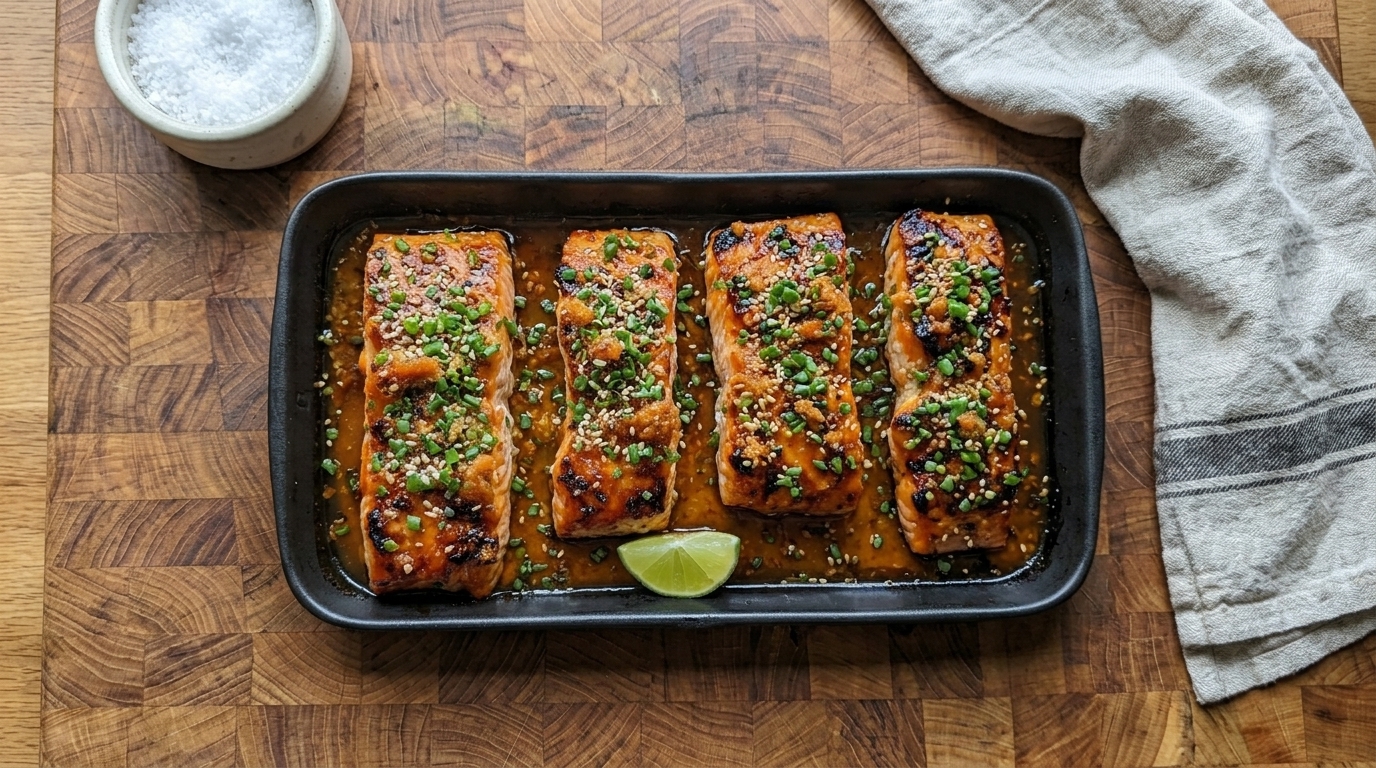
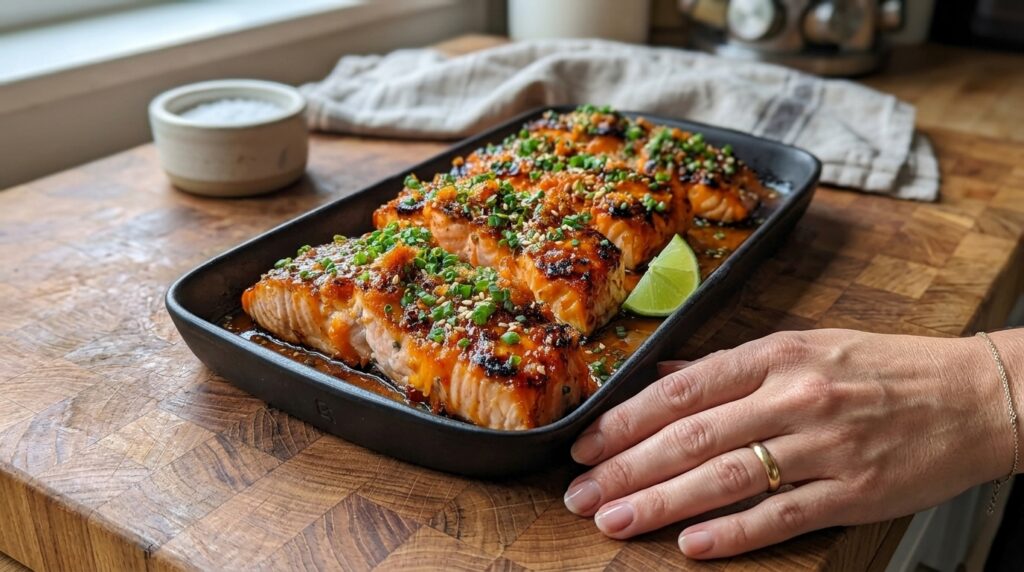
A delicious salmon recipe coated in a sticky honey garlic glaze with a perfect balance of sweet, savory, and garlicky flavors. The salmon develops a beautifully caramelized exterior while staying tender and flaky inside, making it an easy restaurant-style meal perfect for family dinners or special occasions.
Why You’ll Love It
Sweet and savory glaze with incredible flavor
Tender salmon with a caramelized golden crust
Quick and easy seafood dinner
Made with simple pantry ingredients
Perfect for busy weeknights
Pairs well with rice, vegetables, or noodles
Ingredients Overview
For the Salmon
4 salmon fillets
2 tbsp olive oil
1 tsp paprika
1 tsp garlic powder
½ tsp black pepper
Salt to taste
1 tbsp lime juice
For the Honey Garlic Sauce
⅓ cup honey
4 cloves garlic, minced
2 tbsp soy sauce
1 tbsp butter
1 tbsp rice vinegar or lemon juice
1 tsp sesame oil
½ tsp chili flakes (optional)
For Garnishing
2 tbsp chopped green onions
1 tbsp sesame seeds
Fresh cilantro or parsley
Lime wedges
Step-by-Step Instructions
1. Prepare the Salmon
Pat the salmon fillets dry using paper towels.
Season both sides with salt, black pepper, paprika, and garlic powder.
Drizzle with olive oil and lime juice, then allow the salmon to rest for 10–15 minutes.
2. Prepare the Honey Garlic Glaze
In a small bowl, combine honey, minced garlic, soy sauce, butter, rice vinegar, and sesame oil.
Whisk until the ingredients are well combined.
Set aside while preparing the salmon.
3. Sear the Salmon
Heat a large skillet over medium-high heat with a little olive oil.
Place salmon fillets skin-side down and cook for 4–5 minutes until golden and crispy.
Flip the salmon carefully and cook the other side for 2–3 minutes.
4. Add the Honey Garlic Sauce
Pour the honey garlic glaze over the salmon.
Reduce heat and simmer while spooning the sauce over the fillets.
Continue cooking until the glaze becomes thick, glossy, and caramelized.
5. Finish and Serve
Remove the salmon from heat.
Sprinkle with green onions, sesame seeds, and fresh herbs.
Serve warm with lime wedges for extra freshness.
Cooking Tips
Pat the salmon dry before cooking to get the best caramelized crust.
Use fresh garlic for a stronger flavor.
Avoid overcooking salmon to keep it juicy and tender.
Let the glaze reduce until sticky for the best finish.
Add a little extra butter at the end for a richer sauce.
Wild-caught salmon gives a deeper, richer taste.
Serving Suggestions
Serve Honey Garlic Salmon with:
Steamed jasmine rice
Garlic butter noodles
Roasted vegetables
Mashed potatoes
Stir-fried vegetables
Fresh cucumber salad
Storage
Store leftover salmon in an airtight container in the refrigerator for up to 3 days.
Reheat gently in a skillet or oven with a little extra sauce to keep it moist.
Leftover Ideas
Add salmon to rice bowls
Make salmon wraps
Mix into creamy pasta
Add to fresh salads
Use in sushi-style bowls
FAQs
Can I bake honey garlic salmon instead? Yes. Bake at 400°F (200°C) for 12–15 minutes, then brush with extra glaze before serving.
Can I use frozen salmon? Yes. Thaw completely and pat dry before seasoning and cooking.
How do I know salmon is cooked? The salmon should easily flake with a fork and reach an internal temperature of 145°F (63°C).
Can I make the honey garlic sauce ahead? Yes. Store the prepared sauce in the refrigerator for up to 3 days before cooking.
Can I make this recipe spicy? Absolutely. Add chili flakes, sriracha, or fresh chili peppers for extra heat.
Final Thoughts
Honey Garlic Salmon is a simple yet impressive seafood recipe filled with bold flavors. The sticky glaze, tender salmon, and fresh herb finish create a perfect balance of sweetness, richness, and freshness. This easy dinner is sure to become a family favorite.
If you are craving a comforting pasta dinner with tender steak, a rich creamy sauce, and plenty of garlic and Parmesan flavor, this Creamy Steak Pasta is the kind of meal that feels restaurant-worthy without being difficult to make at home. Juicy strips of seared steak are combined with pasta and a silky cream sauce made with garlic, Parmesan, butter, and herbs.
The best part of this recipe is the contrast between the deeply browned steak and the smooth, creamy pasta. The steak is cooked separately first so it develops a flavorful crust without overcooking, then it is added back to the pasta at the end. That keeps the beef tender while allowing the sauce to pick up all the savory browned bits left in the skillet.
This Creamy Steak Pasta is perfect for date night, weekend dinners, family meals, or anytime you want something rich and satisfying. Serve it with garlic bread, roasted vegetables, or a fresh salad for a complete dinner.
Why You’ll Love This Creamy Steak Pasta
One of the biggest advantages of this recipe is that it delivers a lot of flavor with simple ingredients. Garlic, butter, cream, Parmesan, and steak are a classic combination, and the pasta absorbs the creamy sauce beautifully.
It is also easy to customize. You can add mushrooms, spinach, sun-dried tomatoes, broccoli, or even a little Cajun seasoning for a spicy version.
Another reason this recipe works so well is the cooking method. The steak is seared quickly over high heat, then removed before the sauce is made. This helps prevent the steak from becoming tough while the pasta sauce simmers.
You can use ribeye, sirloin, New York strip, or tenderloin, depending on what you have available.
Ingredients
For the Steak
1½ pounds sirloin, ribeye, or New York strip steak
1 tablespoon olive oil
1 teaspoon kosher salt
½ teaspoon freshly ground black pepper
½ teaspoon garlic powder
½ teaspoon smoked paprika
For the Pasta
12 ounces penne, rigatoni, fettuccine, or linguine
Salt for the pasta water
½ cup reserved pasta water
For the Creamy Garlic Parmesan Sauce
3 tablespoons unsalted butter
5 garlic cloves, finely minced
1 cup heavy cream
¾ cup beef broth
1 cup freshly grated Parmesan cheese
½ teaspoon dried Italian seasoning
½ teaspoon black pepper
¼ teaspoon crushed red pepper flakes, optional
1 teaspoon Dijon mustard, optional
2 tablespoons chopped fresh parsley
For Serving
Extra Parmesan cheese
Fresh parsley
Freshly cracked black pepper
Optional lemon wedges
How to Make Creamy Steak Pasta
1. Prepare the Steak
Remove the steak from the refrigerator about 20–30 minutes before cooking.
Pat it very dry with paper towels.
Cut it into thin strips or bite-sized pieces, depending on how you want to serve the pasta.
Season the steak with salt, black pepper, garlic powder, and smoked paprika.
A dry surface is important because excess moisture can prevent the beef from developing a good crust.
2. Cook the Pasta
Bring a large pot of salted water to a boil.
Add the pasta and cook until al dente, following the package instructions.
Before draining, reserve about ½ cup of pasta water.
Drain the pasta and set it aside.
Do not rinse it. The starch on the surface helps the cream sauce cling to the noodles.
3. Heat the Skillet
Place a large heavy skillet over medium-high to high heat.
Add the olive oil.
Let the skillet become very hot before adding the steak.
The oil should shimmer, and the beef should sizzle immediately when it touches the pan.
4. Sear the Steak
Add the steak in a single layer.
Avoid overcrowding the skillet. Cook in batches if necessary.
Let the pieces cook without moving them for approximately 2–3 minutes.
Flip and cook for another 1–2 minutes, depending on thickness and desired doneness.
For steak strips, you want a good brown crust while keeping the inside tender.
Transfer the cooked steak to a plate and set aside.
5. Start the Garlic Sauce
Reduce the heat to medium.
Add the butter to the same skillet.
Once melted, add the minced garlic.
Cook for approximately 30 seconds, stirring constantly.
The garlic should become fragrant but should not turn dark brown.
Use a wooden spoon to scrape up any browned bits from the steak. Those bits add deep savory flavor to the sauce.
6. Add the Broth
Pour in the beef broth.
Stir well and let it simmer for approximately 2 minutes.
This helps loosen the flavorful browned bits from the pan and slightly reduces the liquid.
Add the optional Dijon mustard at this stage if using.
It gives the sauce a subtle tang that balances the richness.
7. Add the Heavy Cream
Reduce the heat to medium-low.
Pour in the heavy cream.
Add Italian seasoning, black pepper, and optional crushed red pepper flakes.
Stir and let the sauce simmer gently for 2–3 minutes.
Do not let it boil aggressively because high heat can cause dairy sauces to separate.
8. Add the Parmesan
Gradually stir in the freshly grated Parmesan.
Continue stirring until the cheese melts and the sauce becomes smooth and creamy.
If the sauce looks too thick, add a splash of reserved pasta water.
If it is too thin, let it simmer for another minute.
9. Add the Pasta
Add the cooked pasta directly to the skillet.
Toss gently until every piece is coated in the creamy Parmesan sauce.
If needed, add a few tablespoons of pasta water to help loosen the sauce and create a silky texture.
10. Return the Steak
Add the seared steak back to the skillet.
Toss gently with the pasta.
Cook for only 30–60 seconds, just until the beef is warmed through.
Avoid simmering the steak in the sauce for too long, or it can become tough.
11. Finish with Herbs
Remove the skillet from the heat.
Stir in chopped fresh parsley.
Taste and adjust the seasoning with extra black pepper, Parmesan, or a small pinch of salt if needed.
A tiny squeeze of fresh lemon can also brighten the sauce if you prefer.
What to Serve With Creamy Steak Pasta
Garlic bread is one of the best sides because it is perfect for soaking up any leftover cream sauce.
A Caesar salad or simple green salad provides a fresh contrast to the richness of the pasta.
Roasted broccoli, asparagus, green beans, or Brussels sprouts also work beautifully.
For an extra steakhouse-style meal, serve the pasta with sautéed mushrooms or roasted vegetables.
Tips for the Best Creamy Steak Pasta
Use a tender steak cut. Sirloin, ribeye, strip steak, or tenderloin work especially well.
Pat the steak dry. This helps create a deeper sear.
Cook in batches. Overcrowding the skillet causes the steak to steam.
Do not overcook the beef. It will warm again when added to the pasta.
Use freshly grated Parmesan. It melts more smoothly into the sauce.
Reserve pasta water. The starch helps loosen and emulsify the cream sauce.
Keep the cream at a gentle simmer. High heat can make the sauce separate.
Easy Recipe Variations
Creamy Mushroom Steak Pasta
Sauté 8 ounces sliced mushrooms after cooking the steak.
Let them become golden before starting the garlic sauce.
Creamy Garlic Spinach Steak Pasta
Add 2 cups fresh spinach to the sauce and stir until wilted.
Cajun Steak Pasta
Season the steak with Cajun seasoning and add a little cayenne to the cream sauce.
Sun-Dried Tomato Steak Pasta
Add ⅓ cup chopped sun-dried tomatoes to the sauce for extra tangy flavor.
Creamy Peppercorn Steak Pasta
Add 1 teaspoon coarsely cracked black pepper and a little extra beef broth for a peppercorn-style sauce.
Storage and Reheating
Allow leftovers to cool before transferring them to an airtight container.
Refrigerate for up to 3 days.
To reheat, place the pasta in a skillet over low heat.
Add a splash of milk, cream, or broth to loosen the sauce.
Warm gently until heated through.
Avoid high heat because the steak can become tough and the cream sauce can separate.
Make-Ahead Instructions
You can season and slice the steak several hours ahead.
The Parmesan can also be grated and the garlic minced in advance.
For the best texture, cook the pasta and steak close to serving time.
If you want to save time, prepare the ingredients earlier in the day and keep them refrigerated separately until ready to cook.
Final Thoughts
This Creamy Steak Pasta is a rich, comforting dinner that combines juicy seared steak, tender pasta, garlic, Parmesan, herbs, and a silky cream sauce.
The key to the best result is simple: sear the steak quickly, remove it before making the sauce, cook the pasta until al dente, and return the beef only at the end. That keeps the steak tender while allowing the pasta to absorb all the creamy garlic-Parmesan flavor.
Serve it with garlic bread for a cozy dinner, add mushrooms or spinach for extra flavor, or finish it with fresh parsley and Parmesan for a restaurant-style presentation.
A perfectly caramelized salmon dish coated in a sweet and savory honey glaze with garlic, spices, and fresh citrus flavors. The salmon develops a beautifully sticky crust while staying tender and juicy inside, making it an impressive yet simple seafood dinner for any occasion.
Why You’ll Love It
Sweet and savory glaze with incredible flavor
Tender, flaky salmon with a caramelized crust
Quick and easy restaurant-style meal
Perfect balance of honey, garlic, and citrus
Great for weeknight dinners or special occasions
Pairs beautifully with vegetables, rice, or potatoes
Ingredients Overview
For the Salmon
4 salmon fillets
2 tbsp olive oil
1 tsp paprika
1 tsp garlic powder
½ tsp black pepper
Salt to taste
1 tbsp lemon or lime juice
For the Honey Garlic Glaze
⅓ cup honey
3 cloves garlic, minced
2 tbsp soy sauce
1 tbsp lemon juice
1 tbsp olive oil or butter
1 tsp chili flakes (optional)
1 tsp fresh parsley, chopped
For Garnishing
Fresh parsley or cilantro
Lime wedges
Red chili flakes
Sesame seeds (optional)
Step-by-Step Instructions
1. Prepare the Salmon
Pat the salmon fillets dry with paper towels.
Season both sides with salt, pepper, paprika, and garlic powder.
Drizzle with olive oil and lemon juice, then let the salmon rest for 10–15 minutes.
2. Make the Honey Garlic Glaze
In a small bowl, combine honey, soy sauce, minced garlic, lemon juice, and olive oil.
Mix well until the ingredients are fully combined.
Set aside for glazing the salmon.
3. Sear the Salmon
Heat a skillet over medium-high heat with a little oil.
Place the salmon fillets skin-side down and cook for 3–4 minutes until the skin becomes crispy.
Flip carefully and cook the other side for another 2 minutes.
4. Add the Glaze
Pour the honey garlic sauce over the salmon.
Cook while spooning the glaze over the fillets until the sauce thickens and becomes glossy.
Continue cooking until the salmon is fully cooked and flakes easily.
5. Finish and Serve
Remove from heat and garnish with fresh herbs and chili flakes.
Serve warm with lime wedges for a bright finishing touch.
Cooking Tips
Do not overcook salmon; it should remain moist and flaky.
Pat the salmon dry before seasoning to help create a better crust.
Use fresh garlic for the strongest flavor.
Let the glaze reduce until sticky for the best caramelized finish.
Wild-caught salmon works beautifully for a richer flavor.
Add a little butter to the glaze for extra richness.
Serving Suggestions
Serve Honey Glazed Salmon with:
Garlic butter rice
Roasted vegetables
Mashed potatoes
Steamed asparagus
Fresh garden salad
Lemon herb couscous
Storage
Store leftover salmon in an airtight container in the refrigerator for up to 3 days.
Reheat gently in the oven or skillet to prevent drying out.
Leftover Ideas
Add flakes to pasta dishes
Make salmon rice bowls
Use in fresh salads
Create salmon wraps
Add to breakfast omelets
FAQs
Can I use frozen salmon? Yes. Thaw completely and pat dry before seasoning for the best texture.
Can I bake this salmon instead of pan-searing? Yes. Bake at 400°F (200°C) for about 12–15 minutes, then brush with extra glaze.
How do I know when salmon is cooked? The salmon should easily flake with a fork and reach an internal temperature of 145°F (63°C).
Can I make the glaze ahead of time? Yes. Prepare the glaze up to 3 days ahead and store it in the refrigerator.
Can I make this recipe spicy? Absolutely. Add extra chili flakes, hot sauce, or fresh sliced chilies.
Final Thoughts
Honey Glazed Salmon Fillets are the perfect combination of sweet, savory, and smoky flavors. With a glossy caramelized glaze, tender salmon, and fresh citrus finish, this recipe turns simple ingredients into a delicious seafood dinner that the whole family will love.
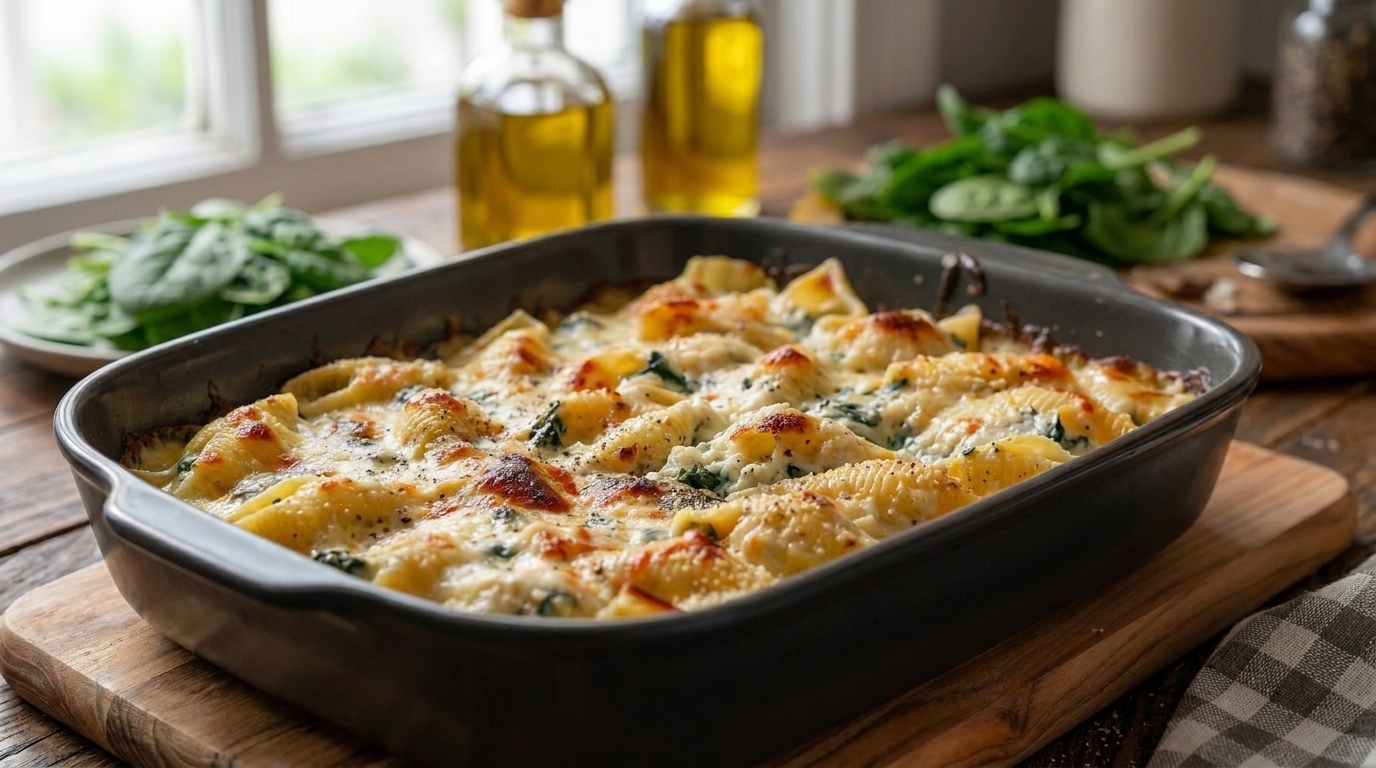
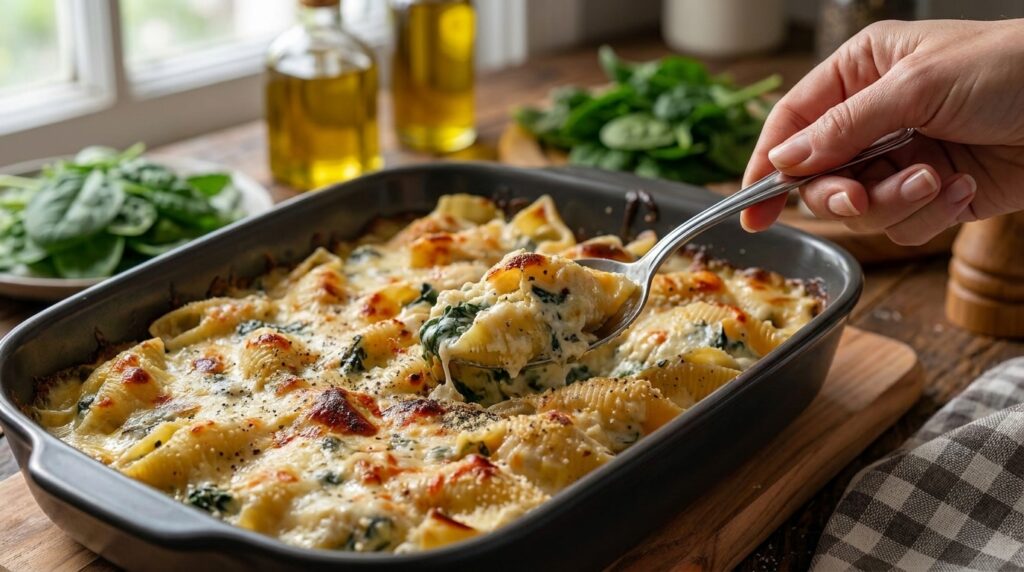
If you love creamy spinach artichoke dip and cheesy baked pasta, these Creamy Spinach Artichoke Stuffed Shells combine the best of both into one comforting casserole. Jumbo pasta shells are filled with a rich mixture of spinach, artichoke hearts, ricotta, cream cheese, mozzarella, Parmesan, and garlic, then baked in a creamy sauce until hot, bubbly, and beautifully golden.
This recipe is perfect for family dinners, holidays, potlucks, date nights, or make-ahead meal prep. The spinach and artichokes add freshness and texture, while the blend of cheeses gives every shell a soft, creamy center.
One of the best things about stuffed shells is that they look impressive but are surprisingly easy to prepare. You can assemble the entire dish ahead of time, refrigerate it, and bake it just before serving.
Why You’ll Love These Creamy Spinach Artichoke Stuffed Shells
The filling tastes like a combination of classic stuffed shells and creamy spinach artichoke dip.
Ricotta keeps the filling light and creamy, cream cheese adds richness, and mozzarella provides that irresistible stretchy cheese texture.
Artichoke hearts bring a slightly tangy flavor that balances the richness of the cheese, while spinach adds color and freshness.
The shells can also be prepared ahead or frozen, making this an excellent recipe for entertaining or busy evenings.
Ingredients
For the Pasta Shells
20–24 jumbo pasta shells
1 tablespoon salt, for pasta water
1 teaspoon olive oil, optional
For the Spinach Artichoke Filling
15 ounces whole-milk ricotta cheese
4 ounces cream cheese, softened
1 cup shredded mozzarella cheese
½ cup freshly grated Parmesan cheese
10 ounces frozen chopped spinach, thawed and squeezed very dry
1 can (14 ounces) artichoke hearts, drained and finely chopped
3 garlic cloves, finely minced
1 large egg
1 teaspoon Italian seasoning
½ teaspoon garlic powder
½ teaspoon onion powder
½ teaspoon kosher salt
¼ teaspoon freshly ground black pepper
¼ teaspoon red pepper flakes, optional
For the Creamy Garlic Sauce
3 tablespoons unsalted butter
3 garlic cloves, finely minced
3 tablespoons all-purpose flour
2 cups whole milk
1 cup heavy cream
½ cup low-sodium vegetable or chicken broth
½ teaspoon Italian seasoning
¼ teaspoon nutmeg, optional
½ teaspoon kosher salt
¼ teaspoon freshly ground black pepper
¾ cup freshly grated Parmesan cheese
For the Topping
1½ cups shredded mozzarella cheese
¼ cup freshly grated Parmesan cheese
1 tablespoon chopped fresh parsley
How to Make Creamy Spinach Artichoke Stuffed Shells
1. Preheat the Oven
Preheat your oven to 375°F (190°C).
Lightly grease a 9 x 13-inch baking dish and set it aside.
2. Cook the Pasta Shells
Bring a large pot of generously salted water to a boil.
Add the jumbo shells and cook them about 1–2 minutes less than the package directions.
The shells should be flexible enough to fill but still slightly firm because they will continue cooking in the oven.
3. Drain and Cool the Shells
Drain the pasta carefully.
Arrange the shells on a lightly oiled baking sheet or large plate so they do not stick together.
Allow them to cool enough to handle.
4. Prepare the Spinach
If using frozen spinach, thaw it completely.
Place it in a clean kitchen towel or several layers of paper towels and squeeze out as much water as possible.
This step is very important.
Excess moisture can make the filling watery and prevent the stuffed shells from holding together properly.
5. Prepare the Artichokes
Drain the artichoke hearts thoroughly.
Pat them dry with paper towels.
Finely chop them into small pieces so they distribute evenly throughout the filling.
6. Make the Cheese Filling
In a large bowl, combine the ricotta and softened cream cheese.
Mix until relatively smooth.
Add the mozzarella and Parmesan.
7. Add the Spinach and Artichokes
Fold in the drained spinach and chopped artichokes.
Add the minced garlic, egg, Italian seasoning, garlic powder, onion powder, salt, black pepper, and red pepper flakes if using.
Stir until everything is evenly combined.
Set the filling aside.
8. Start the Creamy Garlic Sauce
Melt the butter in a medium saucepan over medium heat.
Add the minced garlic.
Cook for approximately 30–60 seconds, stirring continuously, until fragrant.
Do not allow the garlic to brown heavily.
9. Add the Flour
Sprinkle the flour over the butter and garlic.
Whisk continuously for approximately 1–2 minutes.
The mixture should become smooth and lightly bubbly.
10. Add the Milk and Cream
Slowly pour in the milk while whisking.
Add the heavy cream and broth.
Continue whisking until smooth.
11. Season the Sauce
Add the Italian seasoning, nutmeg if using, salt, and black pepper.
Bring the sauce to a gentle simmer over medium-low heat.
Cook for approximately 4–6 minutes, stirring frequently, until it thickens enough to coat the back of a spoon.
12. Add the Parmesan
Reduce the heat to low.
Gradually stir in the Parmesan.
Continue stirring until the cheese melts and the sauce becomes smooth.
Avoid aggressively boiling the sauce once the cheese is added.
If the sauce becomes too thick, add a splash of milk or broth.
13. Add Sauce to the Baking Dish
Spread approximately 1½ cups of the creamy garlic sauce across the bottom of the prepared baking dish.
This prevents the shells from sticking and gives them a creamy base.
14. Fill the Shells
Using a spoon, fill each cooled pasta shell generously with the spinach artichoke mixture.
You can also transfer the filling to a piping bag or zip-top bag with one corner cut off for faster filling.
15. Arrange the Stuffed Shells
Place the filled shells in the baking dish with the open side facing upward.
Arrange them closely but do not crush them together.
16. Add the Remaining Sauce
Spoon the remaining creamy garlic sauce over and around the shells.
Try to leave some of the filling visible so the finished dish has an attractive presentation.
17. Add the Cheese Topping
Sprinkle the mozzarella evenly over the shells.
Finish with Parmesan.
18. Cover and Bake
Cover the baking dish loosely with aluminum foil.
Bake for 20 minutes.
Covering the dish initially helps keep the shells moist while everything heats through.
19. Finish Baking Uncovered
Remove the foil.
Continue baking for another 10–15 minutes, or until the sauce is bubbling and the cheese is completely melted.
20. Brown the Cheese
For a more golden top, switch the oven to broil.
Broil for approximately 1–2 minutes.
Watch closely because the cheese can brown quickly.
21. Rest Before Serving
Remove the dish from the oven.
Allow the stuffed shells to rest for approximately 5–10 minutes.
This helps the filling and sauce settle and makes the shells easier to serve.
22. Garnish and Serve
Sprinkle with freshly chopped parsley.
Add extra Parmesan, black pepper, or red pepper flakes if desired.
Serve warm with plenty of creamy sauce spooned around each portion.
What to Serve With Creamy Spinach Artichoke Stuffed Shells
These stuffed shells are rich enough to be the centerpiece of the meal, so simple sides work best.
Serve them with a crisp Caesar salad, garden salad, arugula salad, or cucumber tomato salad.
Garlic bread, focaccia, breadsticks, or crusty Italian bread are excellent for soaking up the creamy sauce.
For vegetables, try roasted asparagus, broccoli, zucchini, green beans, or Brussels sprouts.
You can also pair them with roasted chicken or grilled shrimp if you want to add extra protein.
Tips for the Best Creamy Spinach Artichoke Stuffed Shells
Cook the shells slightly under al dente.
Boil a few extra shells because some may tear while cooking.
Squeeze the spinach extremely dry.
Drain the artichoke hearts well.
Use whole-milk ricotta for the creamiest filling.
Soften the cream cheese before mixing.
Use freshly grated Parmesan whenever possible.
Keep the sauce over gentle heat once the cheese is added.
Do not overfill the shells.
Cover during the first portion of baking so the pasta does not dry out.
Let the finished casserole rest before serving.
Easy Recipe Variations
Chicken Spinach Artichoke Stuffed Shells
Add 1½–2 cups shredded cooked chicken to the filling.
Spinach Artichoke Alfredo Shells
Use a classic homemade Alfredo sauce instead of the creamy garlic sauce.
Extra Cheesy Stuffed Shells
Add provolone, fontina, or Gruyère to the filling and topping.
Spicy Spinach Artichoke Shells
Add diced jalapeños and extra red pepper flakes.
Mushroom Spinach Artichoke Shells
Sauté 8 ounces of finely chopped mushrooms until browned, then fold them into the filling.
Sun-Dried Tomato Stuffed Shells
Add ½ cup chopped sun-dried tomatoes for extra color and tangy flavor.
Ricotta-Free Version
Replace the ricotta with additional cream cheese and cottage cheese blended until smooth.
Marinara Spinach Artichoke Shells
Replace some or all of the cream sauce with marinara for a tomato-based variation.
How to Store Leftovers
Allow the stuffed shells to cool before transferring leftovers to an airtight container.
Refrigerate for up to 3–4 days.
To reheat, place the shells in a covered baking dish at 350°F (175°C) until hot throughout.
Add a splash of milk or cream if the sauce has become very thick.
Individual portions can also be microwaved in short intervals.
These stuffed shells freeze well.
For best results, assemble the dish before baking, cover tightly, and freeze for up to 2–3 months.
Thaw overnight in the refrigerator before baking.
You can also freeze cooked portions, although the sauce may become slightly less smooth after thawing.
Frequently Asked Questions
Can I use fresh spinach?
Yes.
Sauté about 1 pound fresh spinach until wilted, cool it, and squeeze out the excess moisture before chopping.
Can I use fresh artichokes?
Yes, but canned or jarred artichoke hearts are much easier.
If using marinated artichokes, drain them thoroughly because their oil and seasonings can change the flavor of the filling.
Can I make these stuffed shells ahead?
Absolutely.
Assemble the entire casserole, cover it tightly, and refrigerate for up to about 24 hours before baking.
Add several extra minutes of baking time if the dish goes into the oven cold.
Why is my filling watery?
The spinach or artichokes probably contained too much moisture.
Make sure both ingredients are thoroughly drained before mixing them with the cheeses.
Can I use cottage cheese instead of ricotta?
Yes.
For a smoother consistency, blend the cottage cheese before using it.
Can I use marinara instead of cream sauce?
Absolutely.
Marinara creates a lighter, more tomato-forward version that still pairs beautifully with spinach and artichokes.
How many shells should I cook?
Cook approximately 20–24 shells, plus a few extras in case some tear.
Can I add chicken?
Yes.
Shredded rotisserie chicken or leftover roasted chicken works particularly well. Fold it directly into the spinach artichoke filling before stuffing the shells.
Final Thoughts
These Creamy Spinach Artichoke Stuffed Shells combine tender pasta, creamy ricotta, cream cheese, spinach, artichoke hearts, mozzarella, Parmesan, garlic, and a rich homemade sauce in one comforting baked dinner.
The combination has all the creamy, cheesy flavor of spinach artichoke dip while still feeling like a classic Italian-inspired stuffed pasta casserole.
Serve the shells hot with garlic bread, roasted vegetables, or a crisp green salad for an easy family dinner that is also impressive enough for holidays, guests, and special occasions.