
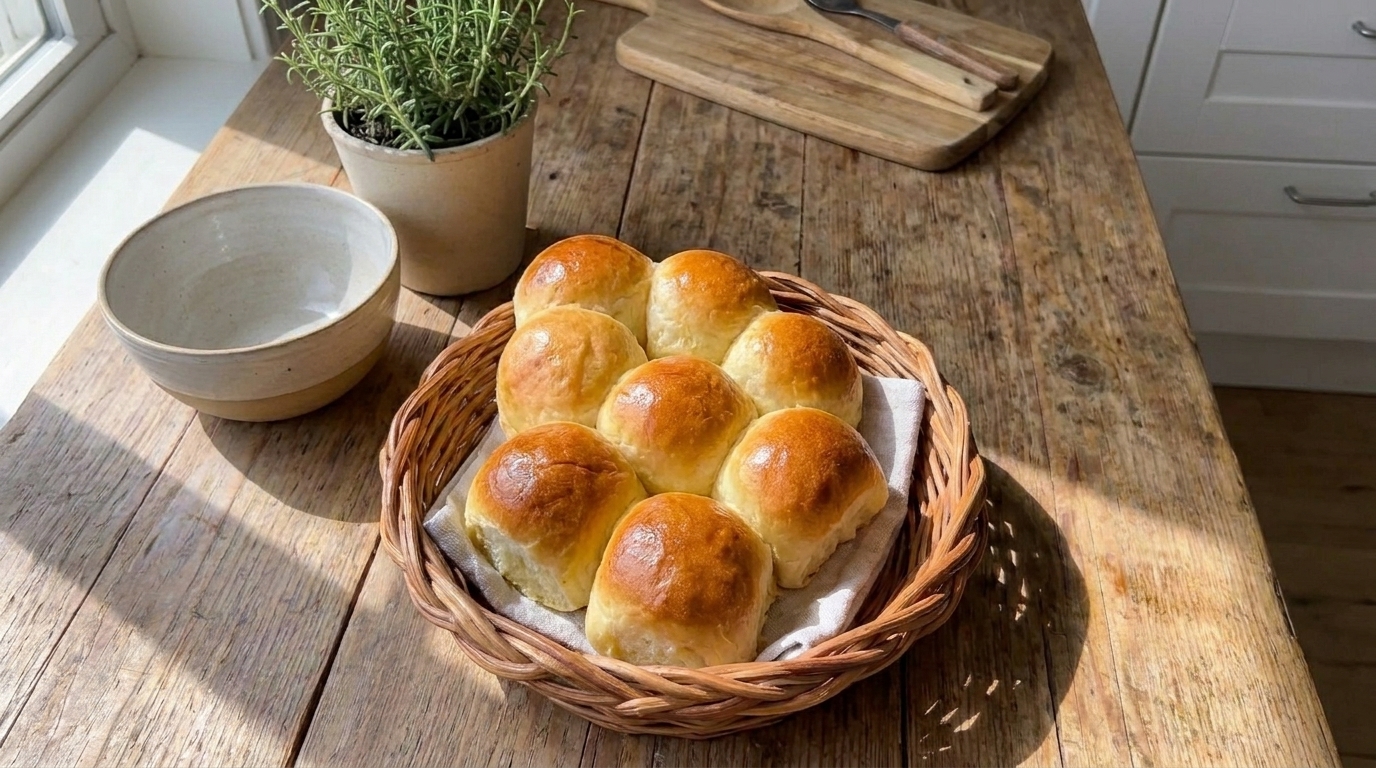
If you are looking for homemade dinner rolls that are incredibly soft, buttery, and beautifully golden, these Buttery Bliss Brioche Rolls are the kind of bread that can make any meal feel extra special. Made with an enriched dough containing butter, eggs, and milk, these rolls bake up with a tender crumb, delicate sweetness, and rich flavor that is far more luxurious than ordinary dinner rolls.
These brioche rolls are perfect for holiday dinners, Sunday meals, brunches, family gatherings, or simply serving alongside a comforting homemade dinner. Their golden tops and fluffy interiors make them beautiful enough for special occasions, but the ingredients are simple enough for home bakers to master with a little patience.
One of the best things about homemade brioche rolls is their versatility. Serve them warm with butter and honey, use them for breakfast sandwiches, pair them with soups and roasts, or turn leftovers into sliders, French toast, or bread pudding.
Why You’ll Love These Buttery Bliss Brioche Rolls
These easy brioche rolls have the rich flavor of traditional bakery-style brioche while being shaped into convenient individual portions.
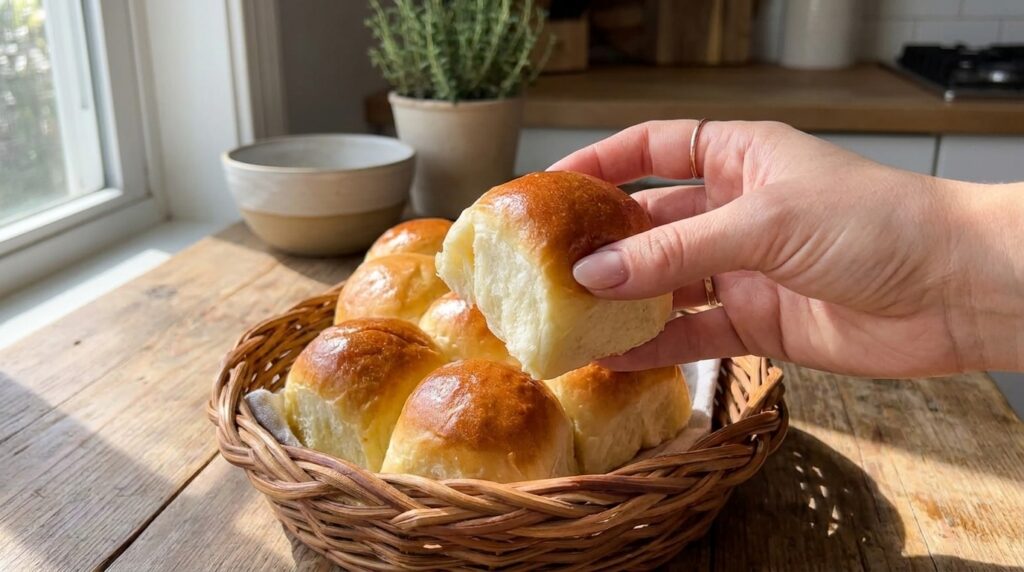
The dough is enriched with eggs, milk, sugar, and plenty of butter, giving the rolls their signature soft texture and slightly sweet flavor. A slow, thorough kneading process develops enough gluten to support all that richness while keeping the crumb light and fluffy.
They also make an impressive addition to the dinner table. Brushing the tops with egg wash before baking creates a deep golden shine, while melted butter brushed over the warm rolls gives them an irresistibly soft and glossy finish.
Ingredients
For the Brioche Dough
- 3¾ cups all-purpose flour, plus more as needed
- 2¼ teaspoons active dry yeast or instant yeast
- ¼ cup granulated sugar
- 1 teaspoon salt
- ¾ cup whole milk, warmed to about 105–110°F
- 3 large eggs, room temperature
- 1 teaspoon vanilla extract, optional
- 10 tablespoons unsalted butter, very soft and cut into small pieces
For the Egg Wash
- 1 large egg
- 1 tablespoon whole milk
For Finishing
- 2 tablespoons unsalted butter, melted
- Flaky sea salt, optional
- Honey or softened butter, for serving
How to Make Buttery Bliss Brioche Rolls
1. Activate the Yeast
If using active dry yeast, pour the warm milk into a small bowl.
The milk should feel comfortably warm but not hot. A temperature of approximately 105–110°F is ideal.
Stir in 1 tablespoon of the sugar and sprinkle the yeast over the top.
Let the mixture stand for approximately 5–10 minutes.
The yeast should become foamy and slightly bubbly. This indicates that it is active and ready to use.
If nothing happens after 10 minutes, the yeast may be expired or the milk may have been too hot or too cold. Starting again with fresh yeast is better than risking a dough that will not rise.
If using instant yeast, you can usually mix it directly with the flour, although blooming it in warm milk is still a helpful way to confirm that it is active.
2. Combine the Dough Ingredients
In the bowl of a stand mixer fitted with the dough hook, combine the flour, remaining sugar, and salt.
Add the activated yeast mixture.
Add the eggs and vanilla extract if using.
Mix on low speed for approximately 2–3 minutes until a rough, shaggy dough forms.
At first, the dough may look sticky and uneven. This is completely normal.
Scrape down the sides of the bowl as necessary so all of the flour becomes incorporated.
3. Knead the Dough
Increase the mixer speed to medium-low.
Knead the dough for approximately 5–7 minutes before adding the butter.
During this stage, the dough should gradually become smoother and begin pulling away from the sides of the bowl.
Brioche dough needs strong gluten development because the large amount of butter added later can weaken the dough structure.
If mixing by hand, knead on a lightly floured surface until the dough begins to feel smooth and elastic.
Try not to add too much extra flour. Brioche dough is naturally softer and stickier than standard bread dough.
4. Add the Butter Gradually
Reduce the mixer speed to low.
Add the softened butter a few pieces at a time.
Wait until each addition is mostly incorporated before adding more.
At first, the dough may appear greasy, sticky, or even slightly separated. Continue mixing patiently.
Once all the butter has been added, increase the speed to medium-low and knead for approximately 8–12 minutes.
The finished dough should become smooth, glossy, elastic, and slightly tacky.
To test whether the gluten has developed enough, gently stretch a small piece of dough between your fingers.
If it stretches into a thin, almost translucent sheet without tearing immediately, it has reached the windowpane stage and is ready for the first rise.
5. Let the Dough Rise
Lightly grease a large bowl with butter or neutral oil.
Shape the dough into a loose ball and place it inside.
Cover the bowl with plastic wrap or a clean kitchen towel.
Allow the dough to rise in a warm, draft-free place for approximately 1½–2 hours, or until nearly doubled in size.
Because brioche dough contains a large amount of butter, eggs, and sugar, it may rise a little more slowly than basic bread dough.
Do not rush this stage.
A warm room temperature of approximately 75–80°F helps the yeast work efficiently.
6. Chill the Dough
Once the dough has risen, gently press it down to release some of the trapped gas.
Cover the bowl tightly and refrigerate the dough for at least 1 hour.
For even better flavor and easier handling, refrigerate it overnight.
Chilling firms the butter inside the dough, making the brioche much easier to shape.
Cold fermentation also allows the flavor to develop more deeply.
If you are short on time, you can shape the rolls without chilling, but the dough will be noticeably softer and stickier.
7. Shape the Brioche Rolls
Lightly grease a 9×13-inch baking dish or line a large baking pan with parchment paper.
Transfer the chilled dough to a lightly floured work surface.
Divide it into approximately 12 equal portions.
For the most evenly sized rolls, use a kitchen scale and weigh the dough before dividing it.
Shape each portion into a smooth ball.
To create surface tension, cup your hand around each piece and gently roll it against the work surface in small circular motions.
Arrange the shaped rolls in the prepared baking dish, leaving a small amount of space between them.
As they rise and bake, they will expand and gently touch one another.
8. Let the Rolls Rise Again
Cover the shaped rolls loosely with plastic wrap or a clean kitchen towel.
Allow them to rise in a warm place for approximately 1–2 hours.
The rolls should become noticeably puffy and increase significantly in size.
When gently pressed with a fingertip, the dough should slowly spring back rather than immediately bouncing back.
Avoid overproofing. If the dough becomes extremely fragile and collapses when touched, it has risen too long.
9. Prepare the Egg Wash
Preheat your oven to 375°F (190°C).
In a small bowl, whisk together the egg and milk until completely combined.
Using a pastry brush, gently brush a thin layer of egg wash over the tops of the risen rolls.
Be careful not to press down on the dough or deflate it.
The egg wash gives brioche its signature shiny, deeply golden crust.
For an extra decorative finish, sprinkle a very small amount of flaky sea salt over the tops before baking.
10. Bake Until Golden
Place the rolls in the preheated oven.
Bake for approximately 20–25 minutes.
The tops should become deeply golden brown and the rolls should look puffed and glossy.
If the tops are browning too quickly before the centers are fully baked, loosely cover them with aluminum foil during the final few minutes.
For the most accurate doneness test, check the center of one roll with an instant-read thermometer.
Enriched breads such as brioche are generally fully baked when the internal temperature reaches approximately 190–195°F (88–91°C).
Remove the baking dish from the oven.
11. Brush with Melted Butter
While the rolls are still hot, immediately brush the tops with melted butter.
This final butter coating softens the crust and gives the rolls an extra-rich flavor and beautiful shine.
Allow them to cool in the pan for approximately 10–15 minutes.
Serve warm for the softest and most luxurious texture.
What to Serve With Buttery Bliss Brioche Rolls
These brioche rolls pair beautifully with almost any comforting main course.
Serve them alongside roast chicken, pot roast, beef stew, turkey, baked ham, meatloaf, or creamy chicken dishes. Their soft interior is excellent for soaking up gravy, sauces, and pan juices.
They are also wonderful with soups such as tomato soup, creamy potato soup, chicken soup, French onion soup, or mushroom soup.
For breakfast or brunch, split the rolls and serve them with butter, jam, honey, fruit preserves, or chocolate spread.
They can also be used to make breakfast sandwiches with eggs, cheese, and bacon or sausage.
For parties and gatherings, slice them in half and use them as soft slider buns.
Tips for the Best Buttery Bliss Brioche Rolls
Use room-temperature eggs and properly softened butter. Cold ingredients make it harder for the dough to blend smoothly.
Do not melt the butter before adding it to the dough. The butter should be very soft but still hold its shape.
Add the butter gradually. Adding all of it at once can overwhelm the dough and make proper gluten development difficult.
Be patient while kneading. Brioche dough often looks messy before it becomes smooth and elastic.
Avoid adding too much flour. The dough should remain soft and slightly tacky. Excess flour can make the finished rolls dense and dry.
Chilling the dough makes shaping much easier and also improves flavor.
Give both rises enough time. Underproofed brioche can be heavy and dense instead of light and fluffy.
Brush the rolls gently with egg wash so you do not deflate them before baking.
Finally, brush the warm rolls with melted butter immediately after they leave the oven for an especially soft finish.
Easy Recipe Variations
For Honey Butter Brioche Rolls, replace 2 tablespoons of the granulated sugar with honey and brush the baked rolls with a mixture of melted butter and honey.
For Garlic Herb Brioche Rolls, mix melted butter with minced garlic, parsley, and thyme and brush it over the warm rolls after baking.
For Cheesy Brioche Rolls, sprinkle shredded Parmesan, cheddar, or Gruyère over the tops during the final 5 minutes of baking.
For Cinnamon Brioche Rolls, sprinkle the dough portions with cinnamon sugar before shaping them for a lightly sweet breakfast variation.
For Sesame Brioche Rolls, sprinkle sesame seeds over the egg-washed tops before baking.
For Everything Brioche Rolls, top the rolls with everything bagel seasoning before placing them in the oven.
For Mini Brioche Slider Rolls, divide the dough into 18–24 smaller portions and reduce the baking time slightly.
How to Store Leftovers
Allow the brioche rolls to cool completely before storing them.
Place them in an airtight container or resealable food-storage bag.
Store at room temperature for up to 2–3 days.
Because homemade brioche does not contain commercial preservatives, it tastes best during the first couple of days.
To refresh a roll, warm it in the microwave for approximately 10–15 seconds or place it in a 300°F (150°C) oven for several minutes.
You can also freeze the baked rolls for up to 2–3 months.
Once completely cool, wrap them securely and place them in a freezer-safe container or bag.
Thaw at room temperature and warm gently before serving.
The dough can also be refrigerated overnight after the first rise, making these rolls convenient to prepare ahead for holidays or special dinners.
Frequently Asked Questions
What makes brioche different from regular dinner rolls?
Brioche is an enriched bread dough made with generous amounts of butter, eggs, milk, and sometimes sugar.
These ingredients give it a richer flavor, softer crumb, and more tender texture than standard bread rolls.
Why is my brioche dough so sticky?
Brioche dough is naturally soft and sticky because of its high butter and egg content.
Avoid adding large amounts of additional flour.
As the dough is kneaded and chilled, it should become easier to handle.
Can I make brioche rolls without a stand mixer?
Yes.
Brioche can be kneaded by hand, although it requires more time and patience.
The dough will initially be quite sticky, so use a bench scraper to help handle it rather than adding too much flour.
Can I make the dough overnight?
Absolutely.
After the first rise, cover the dough tightly and refrigerate it overnight.
The next day, divide, shape, proof, and bake the rolls.
This method can actually improve the flavor.
Why did my brioche rolls turn out dense?
Dense brioche can result from inactive yeast, insufficient kneading, adding too much flour, or not allowing the dough enough time to rise.
Make sure your yeast is fresh and give the dough enough time to become visibly puffy during both proofing stages.
Can I use bread flour?
Yes.
Bread flour can create a slightly chewier structure and may make the dough easier to handle.
You can replace all-purpose flour with the same amount of bread flour or use a combination of both.
How do I know when the rolls have proofed enough?
The rolls should appear noticeably puffy and almost doubled in size.
When lightly pressed with a fingertip, the indentation should slowly begin to spring back.
Can I make these rolls sweeter?
Yes.
Increase the sugar to approximately ⅓ cup for a sweeter breakfast-style brioche.
You can also brush the warm rolls with honey butter after baking.
Final Thoughts
These easy Buttery Bliss Brioche Rolls are everything homemade dinner rolls should be: soft, fluffy, golden, tender, and packed with rich buttery flavor.
Although brioche requires a little extra kneading and rising time, the process is straightforward and the result is worth the patience. The combination of eggs, milk, butter, and slow fermentation creates a beautifully soft bread that feels special enough for holidays while still being versatile enough for everyday meals.
Serve these rolls warm with butter, honey, soup, roast chicken, holiday dinners, or your favorite comfort foods, and enjoy that irresistible bakery-style softness in every buttery bite.