

Introduction
Cats are intelligent, sensitive, and independent animals. While they may not always express themselves as openly as dogs, they constantly communicate through body language, sounds, and behavior. Understanding these signals helps strengthen your bond and ensures your cat feels safe and understood.
In this guide, we’ll break down the most common cat behaviors and what they truly mean.
Why Understanding Cat Behavior Matters
Many behavioral issues stem from misunderstanding. A cat that scratches furniture isn’t being “bad.” A cat that hides isn’t being “antisocial.” These actions usually have natural or emotional reasons behind them.
By learning to read your cat correctly, you can:
- Reduce stress and anxiety
- Prevent unwanted behaviors
- Improve trust and bonding
- Detect health problems early
1. Why Do Cats Knead?
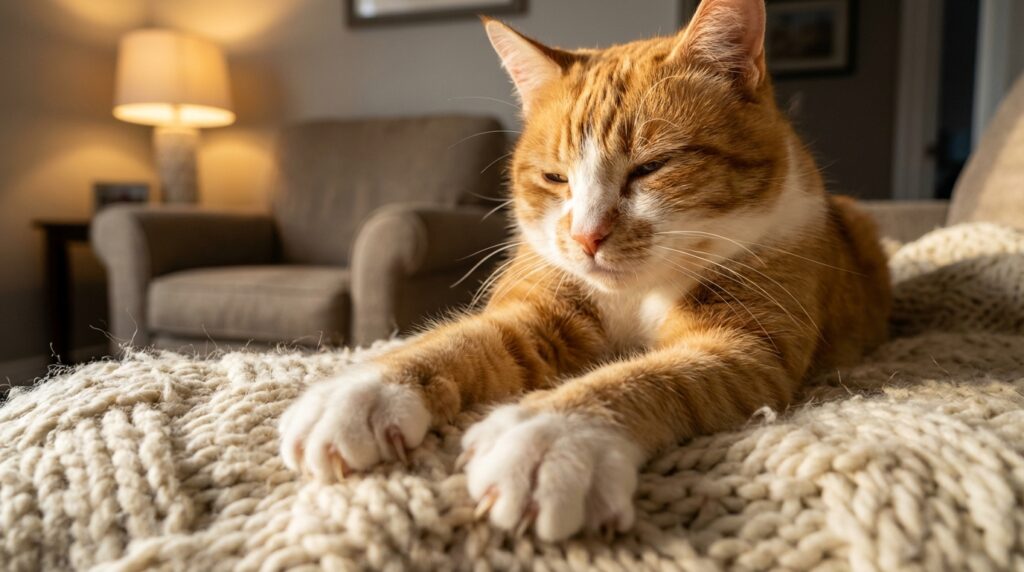
Kneading is when a cat pushes their paws in and out against a soft surface.
Reasons Cats Knead:
- A leftover behavior from kittenhood (stimulating milk from their mother)
- A sign of comfort and relaxation
- Marking territory using scent glands in their paws
If your cat kneads you, it’s usually a sign they feel safe and content.
2. Why Do Cats Suddenly Hide?
Hiding is a natural survival instinct. In the wild, cats hide when they feel threatened or unwell.
Common Reasons:
- Stress from changes in environment
- Loud noises
- Illness or discomfort
- New people or pets
If hiding becomes excessive or is paired with loss of appetite, consult a veterinarian.
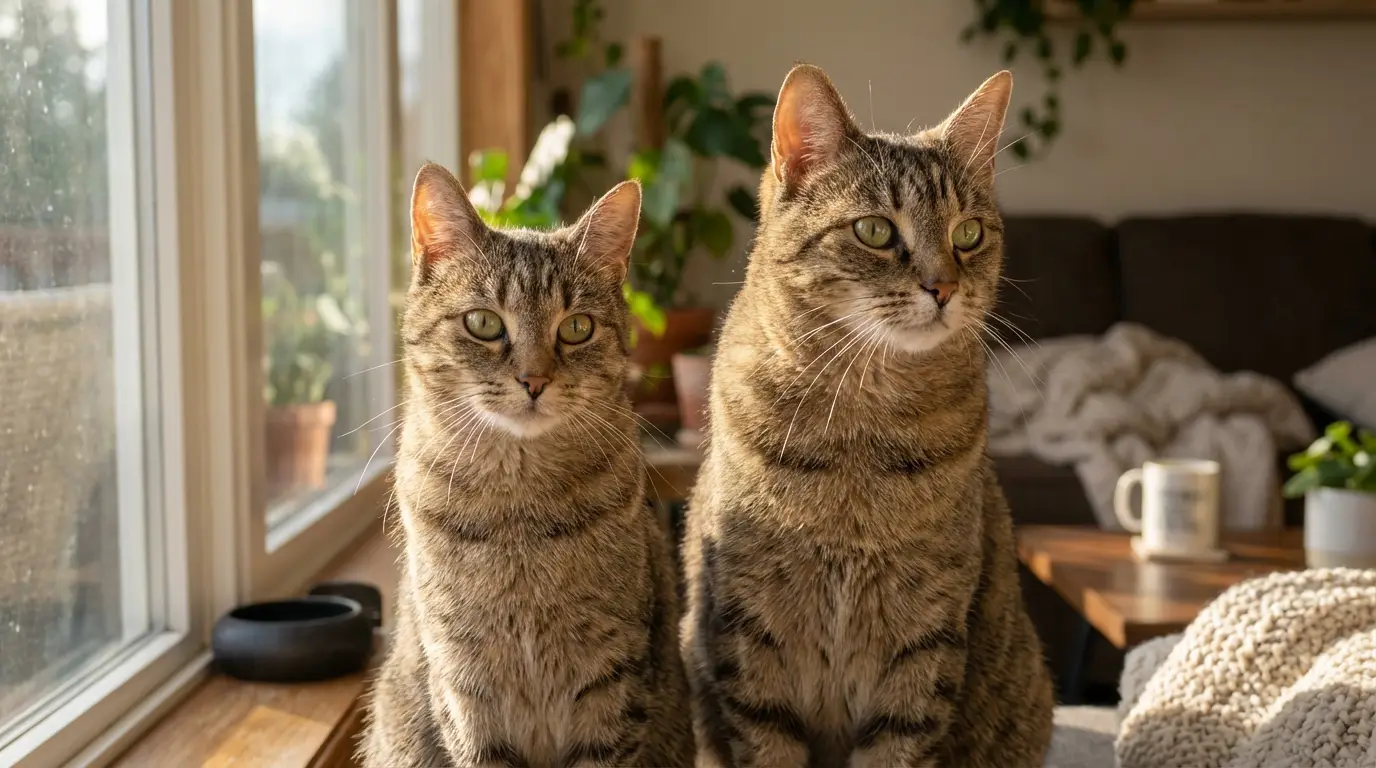
3. Why Do Cats Stare at You?
Cats stare for different reasons:
- Curiosity
- Waiting for food
- Seeking attention
- Showing affection (especially with slow blinking)
If the stare is intense with dilated pupils and stiff posture, your cat may feel alert or defensive.
4. Why Do Cats Scratch Furniture?
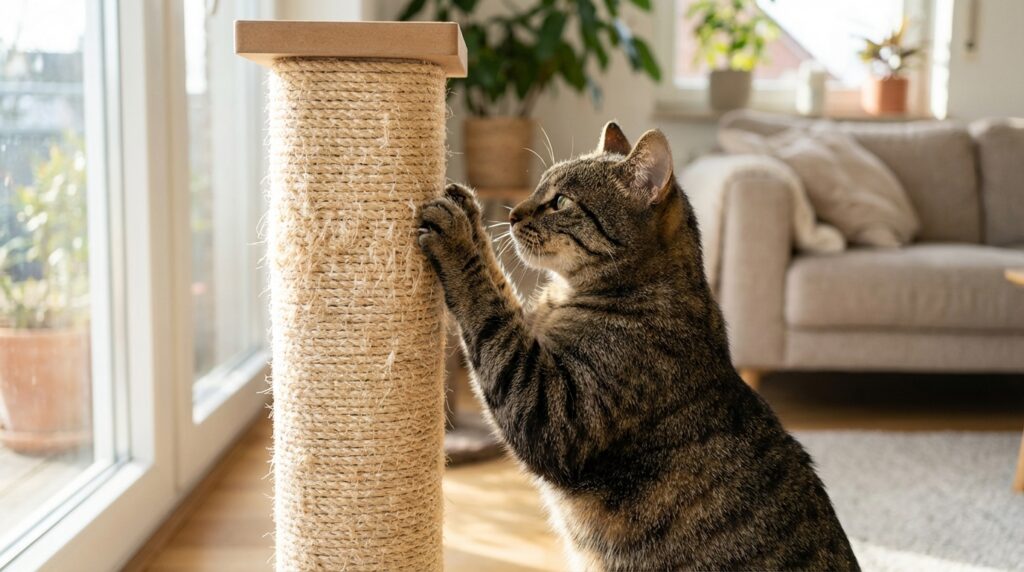
Scratching is completely natural and necessary.
Cats scratch to:
- Sharpen their claws
- Stretch their muscles
- Mark territory
- Release stress
Instead of punishing, provide scratching posts in visible, accessible areas.
5. Why Do Cats Follow You Everywhere?
If your cat follows you from room to room, they likely:
- Feel bonded to you
- Are curious about your activities
- Associate you with food or comfort
- Feel secure in your presence
This is usually a positive sign of attachment.
Final Thoughts
Cats communicate constantly — just not in human language. By observing patterns in posture, movement, and routine, you can better understand their emotional world.
The more you understand your cat, the stronger your connection becomes.
