

Introduction
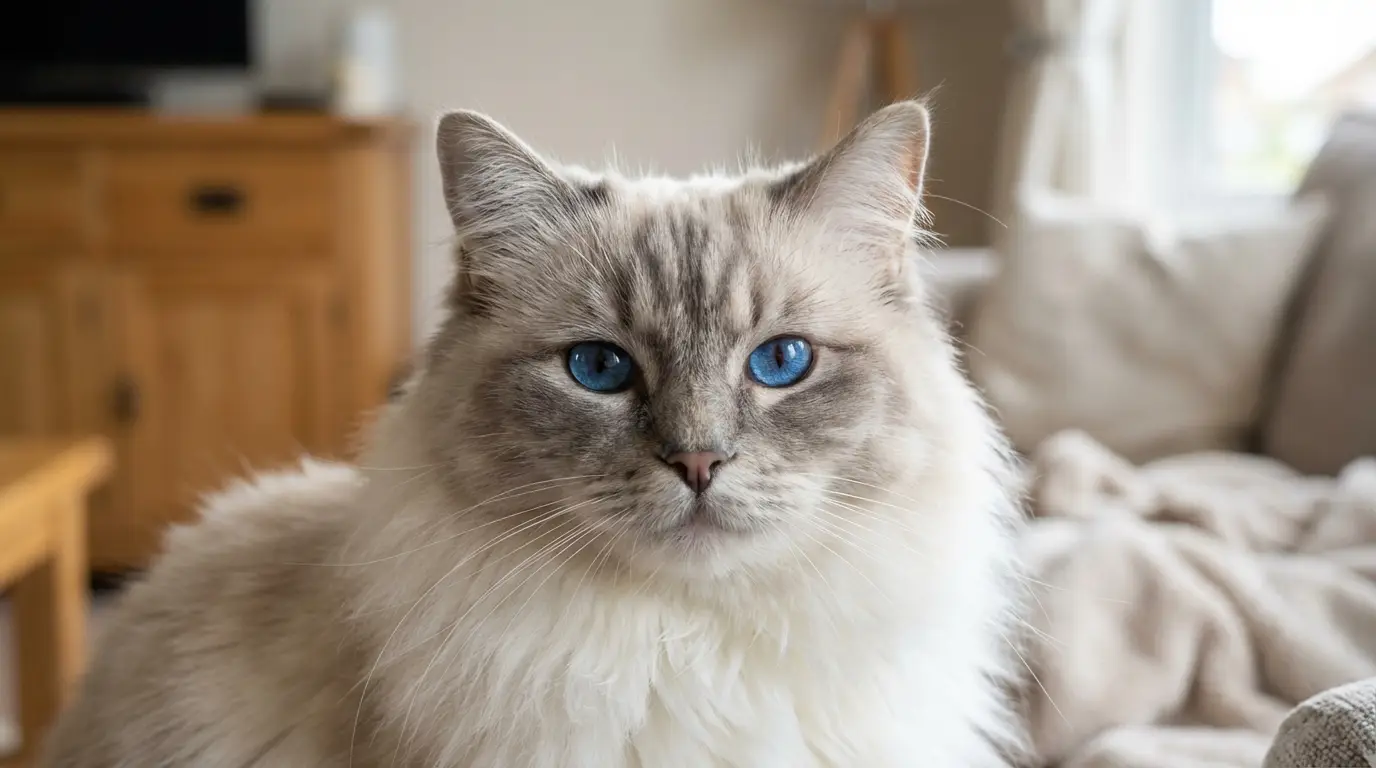
The Ragdoll cat is one of the most affectionate and gentle cat breeds in the world. Known for their striking blue eyes, silky semi-long coat, and relaxed temperament, Ragdolls are often described as “puppy-like” due to their devotion to their owners.
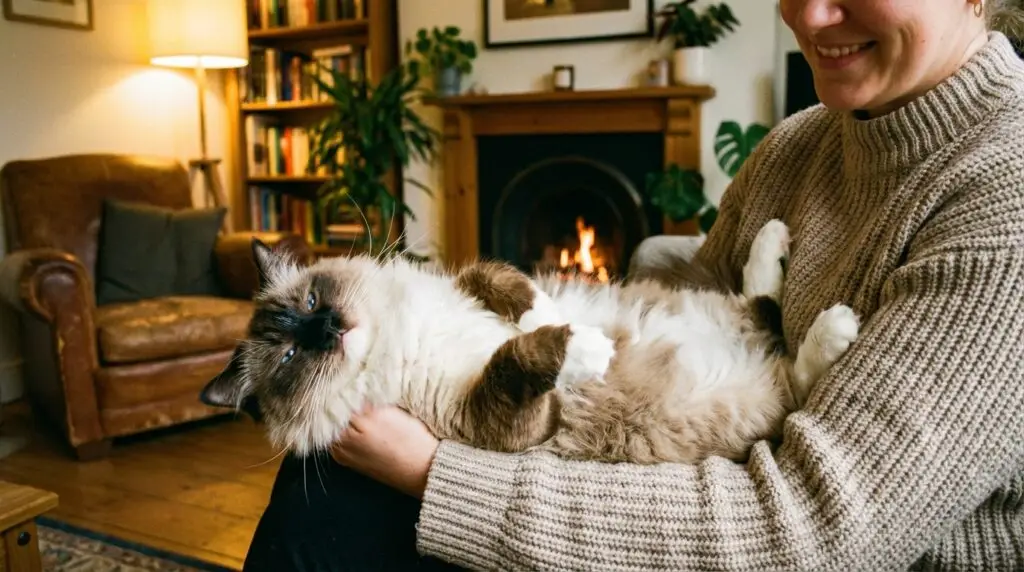
Their name comes from their unique tendency to go limp and relaxed when picked up — much like a ragdoll.
If you’re considering adding a Ragdoll to your family, this complete guide will help you understand everything about their personality, care needs, health considerations, and living requirements.
Breed Overview
- Origin: United States
- Size: Large
- Weight: 10–20 pounds (males larger)
- Lifespan: 12–17 years
- Coat Type: Semi-long, silky
- Eye Color: Always blue
- Temperament: Gentle, affectionate, calm
History and Origin of the Ragdoll
The Ragdoll breed was developed in the 1960s in California by breeder Ann Baker.
The foundation cat, a white long-haired cat named Josephine, produced kittens with unusually calm and affectionate temperaments. Through selective breeding, these traits were preserved and refined, resulting in the Ragdoll we know today.
The breed quickly gained popularity for its docile personality and beautiful appearance.
Physical Characteristics
1. Size and Build
Ragdolls are large, muscular cats with strong bone structure. Despite their size, they have a soft, gentle presence.
They mature slowly and may not reach full size until 3–4 years of age.
2. Coat Texture
Their coat is:
- Semi-long
- Silky and soft
- Low undercoat
- Less prone to matting than other long-haired breeds
Unlike many fluffy breeds, Ragdolls do not have a dense undercoat, which reduces excessive shedding.
3. Striking Blue Eyes
One of the most distinctive features of the Ragdoll is their vivid blue eyes. The deeper and clearer the blue, the more striking their appearance.
4. Color Patterns
Ragdolls come in several recognized patterns:
- Colorpoint – darker face, ears, paws, and tail
- Mitted – white paws and chin
- Bicolor – white inverted “V” shape on the face
- Van – mostly white body with color on ears and tail
Colors include seal, blue, chocolate, lilac, cream, and more.
Personality and Temperament
Extremely Affectionate
Ragdolls are known for their loving nature. They enjoy being near their owners and often follow them from room to room.
They thrive on companionship and dislike being left alone for long periods.
Relaxed and Calm
Unlike high-energy breeds, Ragdolls are typically calm and easygoing.
They are not overly active or destructive, making them ideal for quieter households.
Tolerant and Gentle
Their patient temperament makes them excellent with:
- Children
- Seniors
- Other cats
- Cat-friendly dogs
They are rarely aggressive and prefer gentle interaction.
The “Floppy” Behavior
When picked up, many Ragdolls relax their muscles completely and go limp. This unique trait contributed to their name and adds to their reputation as affectionate companions.
Grooming and Maintenance
Brushing Needs
Despite their long fur, Ragdolls are relatively low-maintenance compared to other long-haired breeds.
Brush 2–3 times per week to:
- Remove loose hair
- Prevent tangles
- Reduce hairballs
Focus on chest and underarm areas.
Shedding
They shed moderately, with heavier shedding during seasonal transitions.
Regular grooming keeps shedding manageable.
Nail and Dental Care
Trim nails every 2–3 weeks and provide dental treats or brushing to prevent oral disease.
Exercise and Activity Needs
Although Ragdolls are calm, they still need stimulation.
They enjoy:
- Interactive toys
- Gentle play sessions
- Puzzle feeders
- Cat trees
However, they are not as hyperactive as breeds like Bengals.
Health Considerations
Ragdolls are generally healthy but may be prone to certain conditions.
1. Hypertrophic Cardiomyopathy (HCM)
This is the most common heart disease in cats. Responsible breeders test for it.
2. Bladder Stones
Proper hydration and balanced nutrition help reduce risk.
3. Obesity
Due to their relaxed nature, Ragdolls can gain weight easily if overfed.
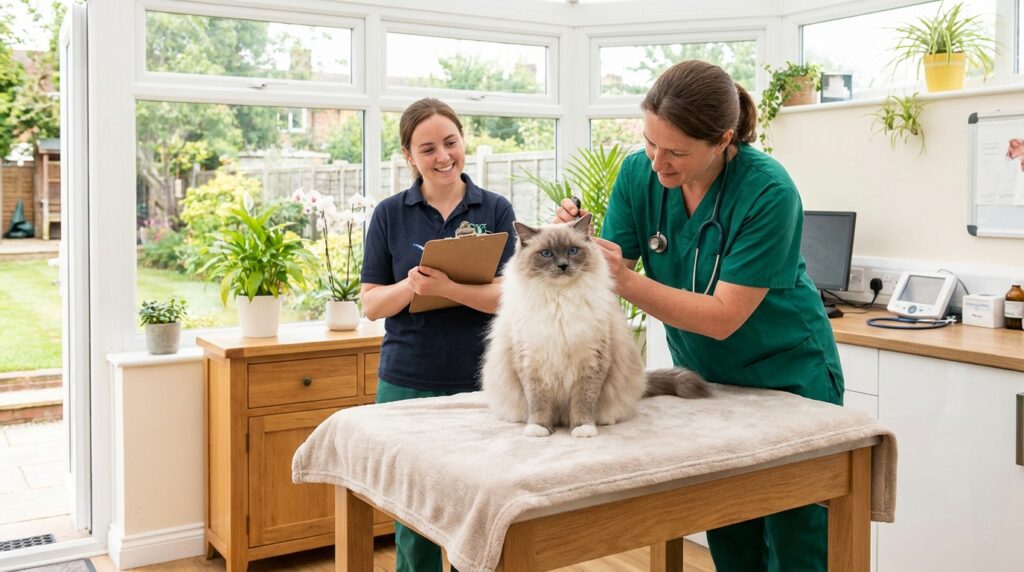
Regular vet visits and weight monitoring are important.
Diet and Nutrition
Ragdolls benefit from:
- High-protein diets
- Controlled portion feeding
- Fresh water access
- Wet food for hydration support
Avoid free-feeding to prevent weight gain.
Because they are large cats, ensure food supports joint health if recommended by your vet.
Ideal Living Environment
Ragdolls are best suited for:
- Indoor living
- Homes with companionship
- Calm environments
They are not ideal outdoor cats because:
- They lack strong survival instincts
- They are overly trusting
- They may not defend themselves well
Keeping them indoors ensures safety and longevity.
Are Ragdoll Cats Good for First-Time Owners?
Yes — Ragdolls are one of the best breeds for beginners.
They are:
✔ Easygoing
✔ Social
✔ Adaptable
✔ Low aggression
✔ Moderate grooming
However, they require emotional attention. If you travel frequently or are rarely home, they may become lonely.
Pros and Cons of Owning a Ragdoll
Pros
- Extremely affectionate
- Beautiful appearance
- Gentle temperament
- Good with families
- Moderate grooming needs
Cons
- Prone to loneliness
- Can be expensive
- Requires indoor living
- Needs regular interaction
Is a Ragdoll Right for You?
A Ragdoll may be perfect if you:
✔ Want a loving companion
✔ Prefer a calm cat
✔ Have time for bonding
✔ Want a family-friendly breed
They may not be ideal if you:
✘ Want a highly independent cat
✘ Are frequently away from home
✘ Prefer a very active breed
Final Thoughts
The Ragdoll cat is a gentle, affectionate, and stunning breed that forms deep bonds with its family. Their calm personality, soft coat, and striking blue eyes make them one of the most popular cat breeds worldwide.
If you are looking for a loyal indoor companion that thrives on love and attention, the Ragdoll could be the perfect addition to your home.
