

Introduction
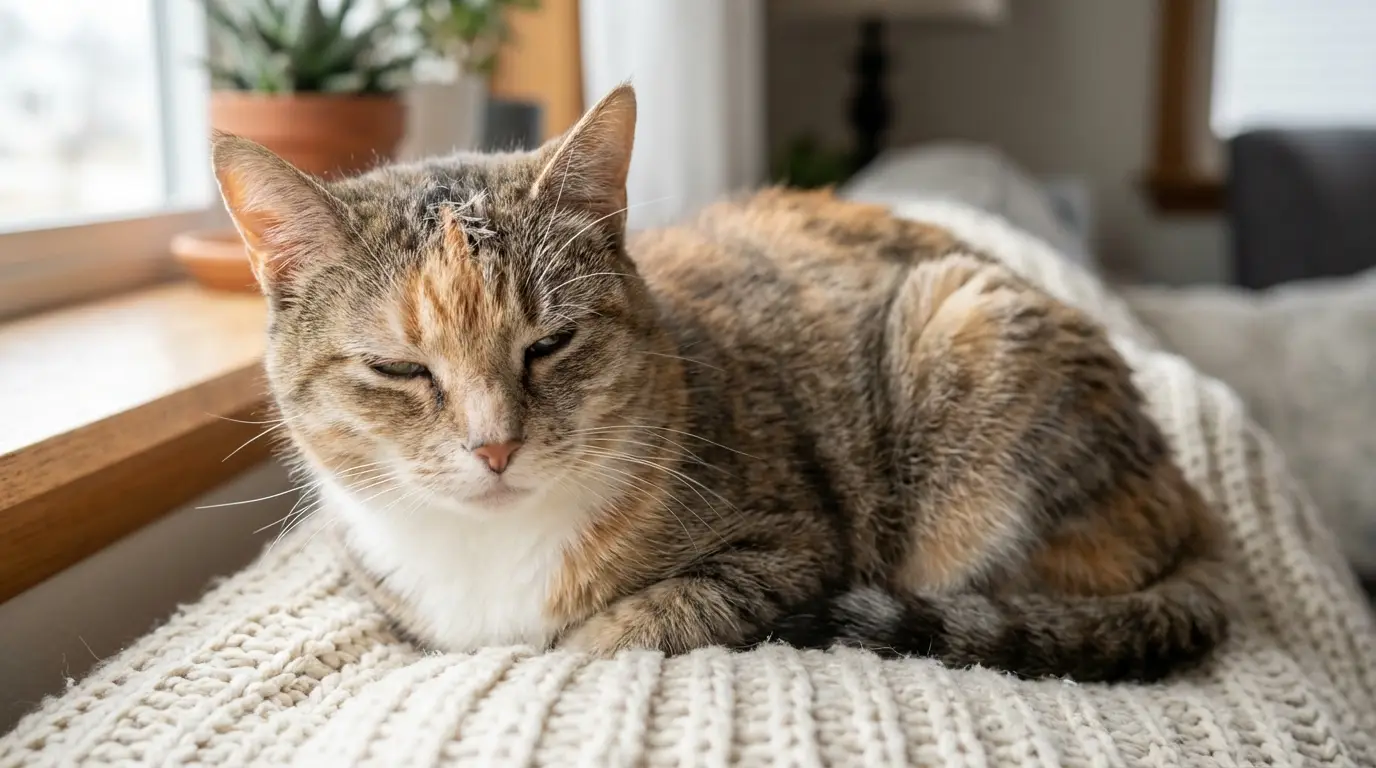
Cats are experts at hiding illness. In the wild, showing weakness makes animals vulnerable. Because of this instinct, many health issues go unnoticed until they become serious.
Recognizing subtle changes early can save your cat’s life.
This guide covers the most important warning signs every cat owner should watch for.
Why Early Detection Matters
Cats often mask pain or discomfort. By the time symptoms become obvious, the condition may already be advanced.
Routine observation is one of the most powerful tools you have as an owner.
1. Changes in Appetite
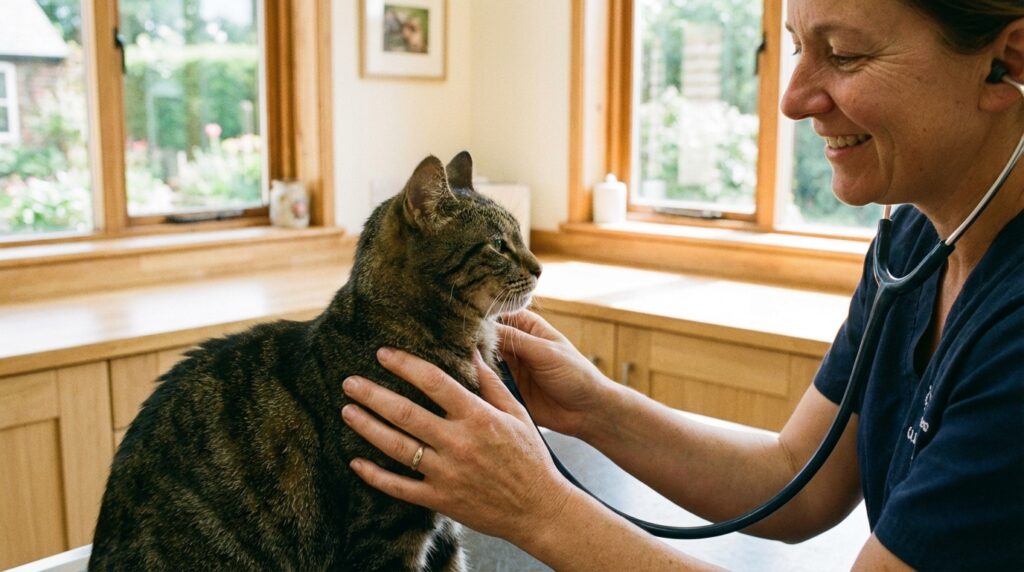
A sudden loss of appetite is one of the most common signs of illness.
Watch for:
- Refusing favorite foods
- Eating significantly less
- Difficulty chewing
- Excessive drooling
Loss of appetite lasting more than 24 hours should be taken seriously.
2. Unusual Lethargy
While cats sleep a lot, sudden low energy is different.
Be concerned if your cat:
- Avoids play
- Hides more than usual
- Seems weak when jumping
- Sleeps in unusual places
A noticeable change in energy level is a red flag.
3. Vomiting or Diarrhea
Occasional hairballs are normal. Frequent vomiting is not.
Seek veterinary advice if:
- Vomiting happens repeatedly
- There is blood present
- Diarrhea lasts more than 24 hours
- Your cat becomes dehydrated
4. Weight Loss or Gain
Unexplained weight changes can indicate:
- Thyroid issues
- Diabetes
- Digestive disorders
- Parasites
Regularly feel your cat’s ribs and monitor body shape.
5. Changes in Grooming Habits
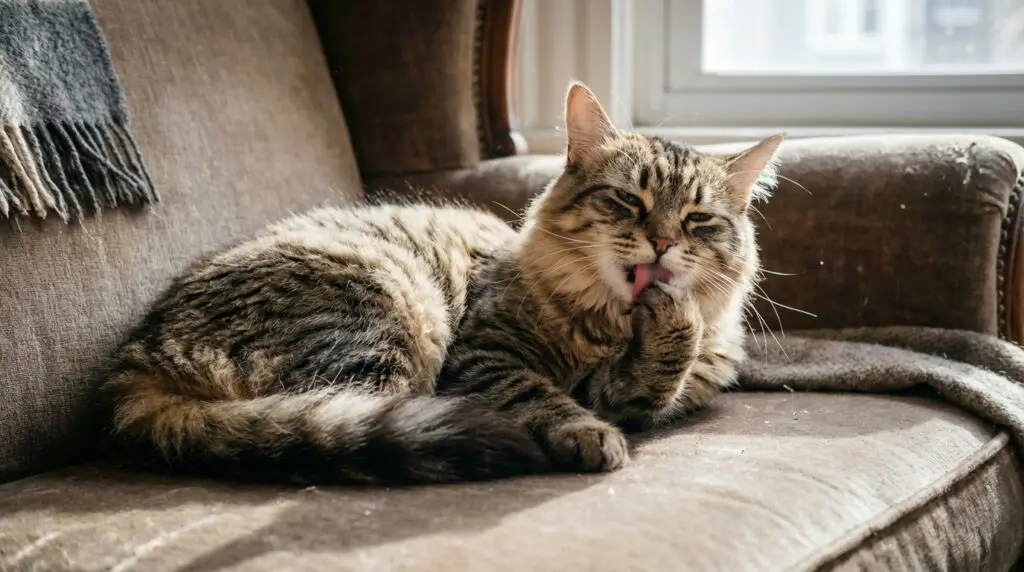
Healthy cats groom themselves daily.
Warning signs include:
- Matted fur
- Greasy coat
- Bald patches
- Over-grooming specific areas
These may signal pain, allergies, or stress.
6. Behavioral Changes
Behavior shifts are often overlooked.
Watch for:
- Increased aggression
- Sudden fearfulness
- Excessive vocalization
- Avoiding contact
Pain often shows through behavior first.
7. Litter Box Changes
Monitor:
- Straining to urinate
- Blood in urine
- Frequent small trips
- Urinating outside the box
Urinary blockages are emergencies, especially in male cats.
When to See a Veterinarian
Contact a vet immediately if your cat:
- Stops eating for over 24 hours
- Has difficulty breathing
- Collapses or appears disoriented
- Cannot urinate
Trust your instincts — if something feels off, it probably is.
Final Thoughts
You know your cat better than anyone. Small changes in routine, posture, or energy can reveal early health problems.
Regular observation and annual vet visits are essential for a long, healthy life.
