

Introduction
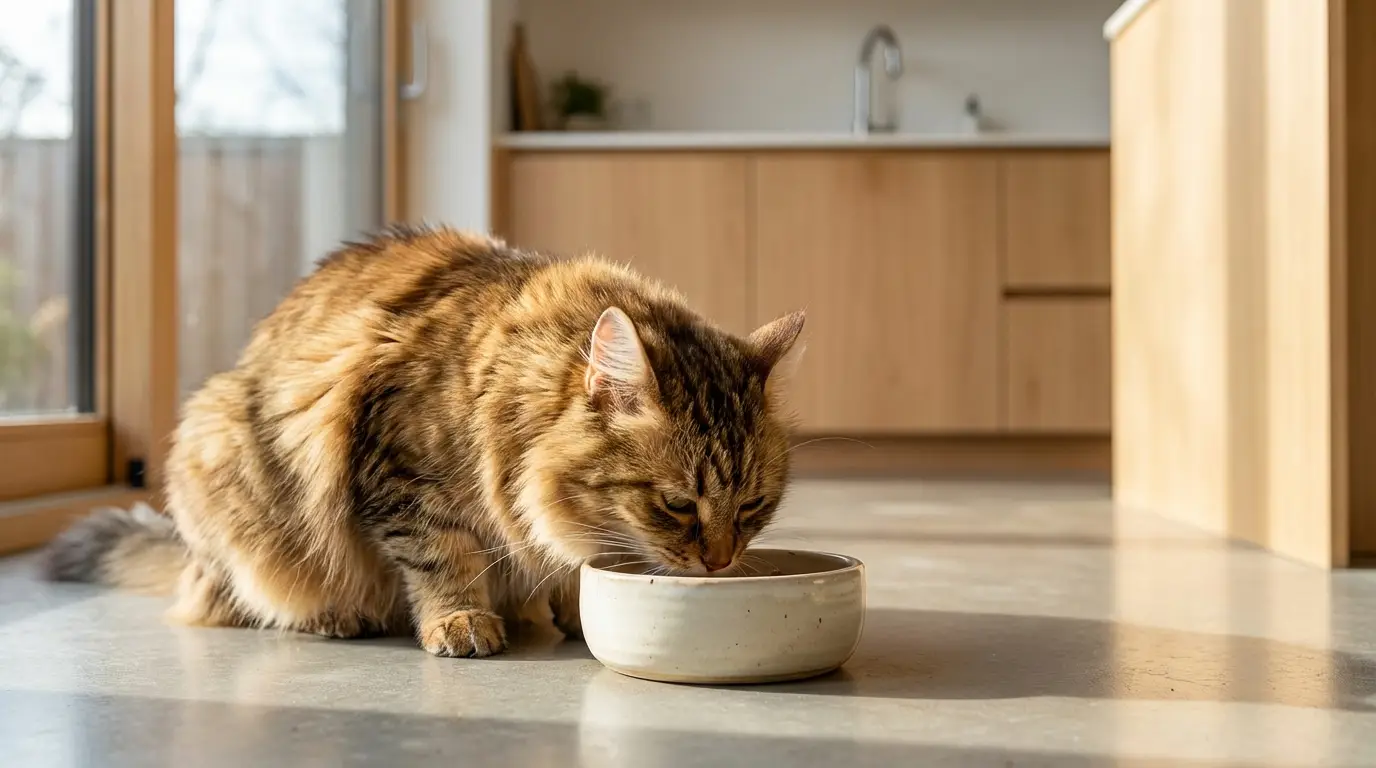
Proper nutrition is one of the most important factors in your cat’s overall health. A balanced diet supports their immune system, maintains a healthy weight, improves coat condition, and increases lifespan.
Understanding what to feed your cat — and what to avoid — can prevent many common health problems.
Understanding a Cat’s Natural Diet
Cats are obligate carnivores. This means they require nutrients found only in animal-based proteins.
Their bodies are designed to digest:
- High-quality meat protein
- Moderate fat
- Minimal carbohydrates
Unlike humans, cats do not need grains or plant-based fillers.
Wet Food vs Dry Food: Which Is Better?
Wet Food Benefits:
- Higher moisture content
- Supports kidney health
- Easier to digest
- Often more appealing
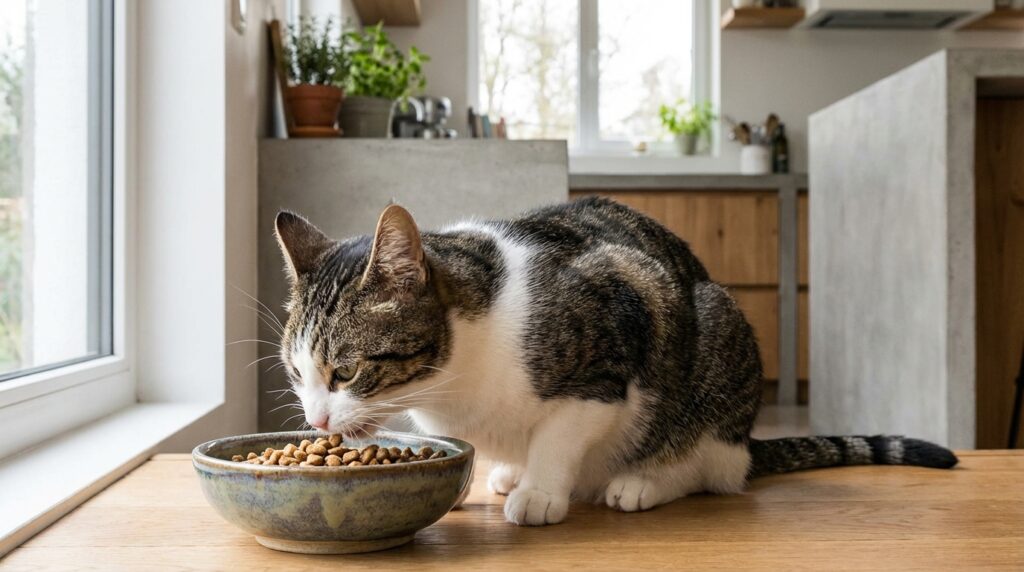
Dry Food Benefits:
- Convenient
- Longer shelf life
- Can support dental health (with proper type)
Many veterinarians recommend a combination of both for balance.
Foods You Should NEVER Give Your Cat
Some human foods are toxic to cats:
- Chocolate
- Onions and garlic
- Grapes and raisins
- Alcohol
- Caffeine
- Raw dough
- Artificial sweeteners (like xylitol)
Even milk can cause digestive upset in adult cats due to lactose intolerance.

How Much Should You Feed Your Cat?
Portion size depends on:
- Age
- Weight
- Activity level
- Health condition
Overfeeding leads to obesity, which increases risk of diabetes, arthritis, and heart disease.
Always follow veterinary guidelines and adjust based on your cat’s body condition.
Signs Your Cat’s Diet Is Working
A healthy diet results in:
- Shiny coat
- Healthy weight
- Consistent energy
- Normal digestion
- Clear eyes
If your cat has dull fur, low energy, or digestive issues, it may be time to review their diet.
Final Thoughts
Nutrition is the foundation of a long and healthy life. Choosing quality food and maintaining proper portions can prevent many common health issues.
When in doubt, consult your veterinarian before making dietary changes.
