

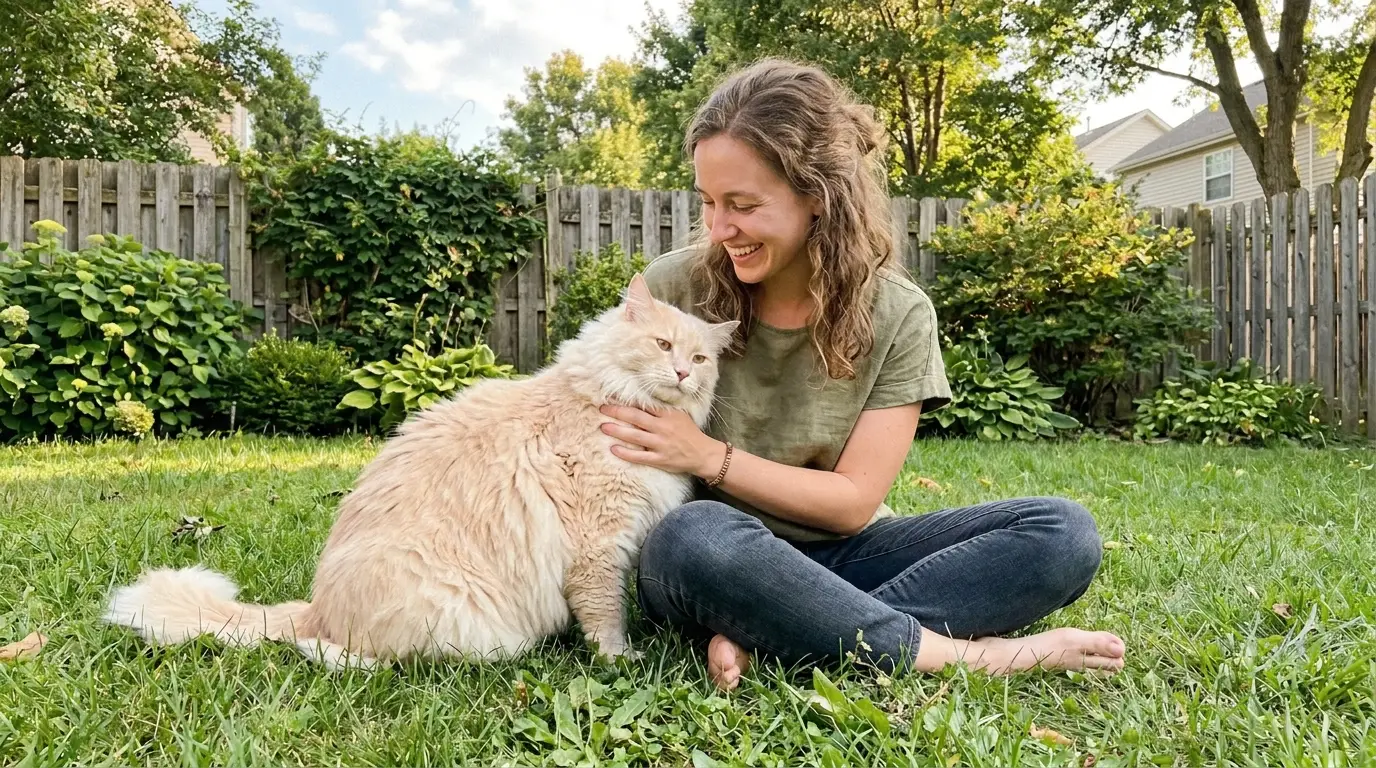
A Step-by-Step Emotional and Behavioral Guide to Creating a Lifelong Bond
Introduction: Trust Is the Foundation of Every Relationship
Cats are not naturally submissive animals. They are observers. Evaluators. Silent judges of safety.
When a cat trusts you, it is not accidental. It is intentional.
Unlike dogs, who often display loyalty openly and immediately, cats form trust gradually. Every interaction you have with your cat either strengthens that trust — or weakens it.
If your cat:
- Seems distant
- Avoids physical affection
- Flinches when touched
- Doesn’t respond to your voice
- Hides often
You are not failing.
You simply need a structured approach.
This 30-day trust-building guide will walk you step-by-step through rebuilding or strengthening your emotional connection in a way that respects feline psychology.
Understanding Feline Trust: Before You Begin
Before jumping into the 30-day plan, it’s essential to understand how cats define trust.
For a cat, trust means:
- You are predictable
- You respect boundaries
- You do not cause fear
- You respond to signals
- You provide safety
Trust is not built through force. It is built through consistency.
The 30-Day Structure Overview
This guide is divided into four phases:
- Week 1: Safety and Observation
- Week 2: Positive Association and Communication
- Week 3: Physical Comfort and Bonding
- Week 4: Emotional Deepening and Long-Term Stability
Each week builds on the previous one.
Week 1: Establish Emotional Safety
Goal: Make Your Presence Feel Calm and Predictable
During the first week, do not focus on affection.
Focus on safety.
Day 1–2: Stop All Pressure
Do not:
- Pick up your cat
- Chase them
- Force petting
- Call them repeatedly
Instead:
Sit quietly in the same room.
Let them exist without expectation.
This removes anxiety.
Day 3–4: Observe Body Language
Learn your cat’s signals:
- Tail flick = irritation
- Slow blink = comfort
- Flattened ears = stress
- Curled tail upright = confidence
Observation builds empathy.
Day 5–7: Create Predictable Routines
Feed at the same time every day.
Play at consistent times.
Sleep at consistent hours.
Cats relax when life is structured.
Routine builds security.
Week 2: Build Positive Associations
Goal: Make Interaction Feel Rewarding
Now that safety is established, begin gentle engagement.
Daily Play Sessions (10–15 Minutes)
Use interactive toys.
Mimic hunting:
- Slow stalking
- Quick bursts
- Final capture
Play stimulates instinct and builds connection.
End play with a small reward.
This mirrors the natural hunt cycle.
Introduce Soft Voice Communication
Use a calm, consistent tone.
Cats respond more to tone than words.
Never shout their name.
Slow Blink Practice
When making eye contact:
- Soften your gaze
- Blink slowly
- Look away gently
This communicates non-threat.
Reward Voluntary Proximity
If your cat comes near you, offer a treat or gentle praise.
Never reward forced interaction.
Week 3: Strengthen Physical Bonding
Goal: Reintroduce Gentle Touch Respectfully
By week three, your cat should show more relaxed behavior.
Now you can deepen the bond physically.
Learn Preferred Petting Zones
Most cats prefer:
- Under the chin
- Base of ears
- Base of tail
Avoid:
- Belly (unless fully trusted)
- Paws
- Sudden movements
Watch tail signals carefully.
Stop before irritation begins.
Grooming as Social Bonding
Brushing mimics how cats groom each other.
Keep sessions short and calm.
Stop if body stiffens.
Shared Space Creation
Place a soft blanket beside you on the couch.
Invite — don’t demand — closeness.
Over time, your cat may choose that spot.
Choice builds confidence.
Week 4: Deep Emotional Connection
Goal: Transition From Safety to Attachment
Now trust becomes attachment.
Quiet Coexistence
Sit in the same room while:
- Reading
- Working
- Watching TV
No interaction required.
Your calm presence reinforces stability.
Bedtime Bonding
If your cat sleeps near you:
Move gently.
Avoid startling movements.
Nighttime safety strengthens attachment deeply.
Reinforce Independence
Trust also means allowing space.
Do not become overbearing.
A confident cat trusts more deeply.
Advanced Trust-Building Techniques
Once the 30 days are complete, continue with:
1. Vertical Space Enrichment
Cat trees and shelves increase confidence.
Confident cats bond more easily.
2. Puzzle Feeding
Mental stimulation prevents boredom-related distance.
3. Controlled Exposure to New Situations
Gradual introductions reduce stress responses.
Common Mistakes During Trust Building
Avoid:
- Sudden schedule changes
- Loud corrections
- Punishment
- Over-handling
- Ignoring stress signals
Trust can regress quickly if fear is reintroduced.
How to Measure Progress
Signs trust is growing:
- Longer eye contact
- Sitting closer
- Grooming near you
- Sleeping nearby
- Following you calmly
Progress may feel subtle.
But subtle is powerful.
What If Your Cat Has Trauma History?
Rescue cats may require extended timelines.
Expect:
- Slower progress
- Increased sensitivity
- Longer adjustment phases
Consistency matters more than speed.
Personality Differences Matter
Some cats will never be:
- Lap cats
- Highly vocal
- Constantly affectionate
Trust does not always look like clinginess.
Sometimes trust looks like calm presence.
Accept personality without comparison.
Emotional Reality: Trust Is a Choice
Cats do not trust automatically.
They assess.
They observe.
They decide.
Every calm reaction.
Every respected boundary.
Every predictable routine.
These are votes for trust.
And over time, those votes accumulate.
After 30 Days: What Changes?
You may notice:
- Softer eye contact
- Increased proximity
- Reduced hiding
- Gentle purring
- Sleeping closer
These are quiet confirmations.
Trust is forming.
Long-Term Maintenance
To keep trust strong:
- Maintain routine
- Continue play
- Respect boundaries
- Monitor stress
- Prioritize safety
Trust is not a one-time achievement.
It is daily maintenance.
Final Thoughts: The Quiet Reward
Building trust with a cat is not loud.
There are no dramatic moments.
Instead, there are small shifts:
A longer blink.
A closer nap.
A softer purr.
And one day, you realize something changed.
They choose you.
Not because they have to.
But because they feel safe.
And when a cat feels safe, that is the purest form of trust.
